Saturday, July 4, 2026
spot_img
Home Blog Page 102

Vianode Appoints Howard Ormonroyd as CFO Bringing Extensive Experience in Financing Large-Scale Materials And Infrastructure Projects

Vianode Appoints Howard Ormonroyd as CFO Bringing Extensive Experience in Financing Large-Scale Materials And Infrastructure Projects

Vianode, an advanced battery materials company providing sustainable anode graphite solutions, has appointed Howard Ormonroyd as CFO. As a member of the executive management team, he will focus on financing and value creation as Vianode establishes itself as a leading supplier to battery and EV value chains in North America and Europe.

Ormonroyd assumes the position effective 14 February, coming from J.P. Morgan where he was an Executive & Technical Director in the Global Metals & Mining investment banking division for over 10 years. He will oversee the execution of Vianode’s phased multi-billion-dollar investment program for developing industrial scale production of high-performance synthetic anode graphite with a 90% reduction in CO2 footprint.

“Howard adds a unique combination of financial expertise and extensive experience from the energy, industrial and renewables markets, together with global managerial competence. He will play a key role in bringing together strong owners and partners to finance Vianode’s growth strategy and our ambition of delivering high-performance anode graphite solutions to 3 million EVs per year by 2030,” says Burkhard Straube, CEO of Vianode.

Ormonroyd has a proven track record of facilitating large and attractive financing for rapidly growing companies. He has industrial and managerial experience from three continents from companies including WestLB and Rio Tinto. He holds a BEng in Mining Engineering from the University of Nottingham and an MSc in Mineral Project Appraisal from Imperial College London.

Vianode is positioning to meet increasing demand for batteries and anode graphite solutions driven by global electrification and EV deployment. Vianode intends to scale through a strategically phased expansion with production sites in North America and Europe and to decarbonise mobility and create significant stakeholder value. The completion of the USD 200 million industrial customer qualification plant at Herøya, Norway later this year will mark the next scale-up milestone.

“Vianode provides a unique opportunity to drive the energy transition through the supply of efficient, low-emission materials to battery and EV manufacturers in North America and Europe. I look forward to applying my skills and experience to help bring Vianode’s large-scale graphite production facilities from the planning stage into real life, and to becoming part of this very impressive team,” says Howard Ormonroyd.

#modernplasticsindia #indianplasticmagazine #modernplasticsaward #plasticnews #modernplasticsgermany #ginujoseph #modernplastic #plasticindia  #plasticrecycling #sustainability #modernplasticsglobalnetwork #modernglobalnetwork #modernplasticsaward2023 #plasticmagazine #PlasticIndustry  #modernplasticsmiddleeast #indianmagazine #innovations #modernplasticsamerica #modernplasticsbangladesh #modernplasticsasia #modernplasticsitaly
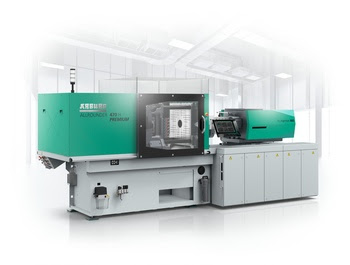
The MDS Volumetric Feeder

The MDS Volumetric Feeder

Movacolor launches the all new MDS Volumetric Feeder, an additional solution to her modular dosing and blending concept. This innovative feeder sets the standard in volumetric dosing. It targets plastic manufacturers in search of a cost-effective solution to optimize their material handling and increase their operator efficiency.

Movacolor’s first volumetric unit was introduced in 1997 and has proven its worth in a variety of applications. Over the past decades, Movacolor engineers have continuously improved its functionality to ensure it meets the changing industry needs. Now, it’s time for the next phase of innovation: the all new MDS Volumetric Feeder.

This new volumetric dosing solution – backed by the tagline ‘Volumetric Dosing Done Right’ – is developed for plastic manufacturers that require a high performing dosing unit at a cost-effective price. Klaas Talsma, Product Manager at Movacolor states: “We believe this product will become the new standard for volumetric feeding across the plastics industry. With its new intuitive touch screen in combination with the latest controlling software technology, we have developed a unique solution for this market segment.”

The MDS Volumetric Feeder allows for reliable dosing, with the capability to handle a wide variety of materials, from granular to microgranulate and free-flowing powder up to 70 degrees Celsius. It proves its value in easy operation, minimizing overdosing and as a result saving on material and process costs.

The MDS Volumetric Feeder comes with an efficient and reliable stepper motor, a rigid dosing house, a stainless-steel hopper and a robust neckpiece. Optimal blend homogeneity is accomplished through inline dosing using a centralized insert within the neckpiece.

All the dosing tools from Movacolor’s MDS Balance product range will also be available for the MDS Volumetric Feeder, providing customers with the flexibility to choose the most suitable dosing tool for their specific process. The stepper motor and selection of dosing tools offer an RPM range from 0.1 to 200 in 0.1 RPM increments and the capacity to dose up to 72 kg/h.

Thanks to its intuitive design, this dosing solution allows a swift 60-second cleaning and material change through a discharge valve and easy motor, hopper and dosing tool release. As a result, downtime and changeover time can be minimized.

The VoluTouch
The MDS Volumetric Feeder includes a dedicated newly developed 4.3” VoluTouch controller. This capacitive touchscreen controller can manage up to two units and is equipped with intuitive functionalities such as easy recipe management. A wireless web interface allows for data and recipe transfer. The VoluTouch controller can seamlessly connect with an extruder’s tacho signal, initiate the injection molding machine in timer mode, and features a relay mode. This ensures smooth integration with any production line.

The MDS Volumetric Feeder is part of Movacolor’s modular dosing concept and can be combined with other units and/or specifically tailored to fit the requirements of your production process.

Availability and delivery time

The availability of Movacolor’s new MDS Volumetric Feeder will vary by region. The product has been launched in the Asia-Pacific region on January 25, 2024 and will be introduced to the North- and Latin American market on May 6, 2024 during the NPE exhibition in Orlando, FL. The EMEA launch will follow shortly after. The delivery time will be approximately 2-3 weeks from the date of purchase.

#modernplasticsindia #indianplasticmagazine #modernplasticsaward #plasticnews #modernplasticsgermany #ginujoseph #modernplastic #plasticindia  #plasticrecycling #sustainability #modernplasticsglobalnetwork #modernglobalnetwork #modernplasticsaward2023 #plasticmagazine #PlasticIndustry  #modernplasticsmiddleeast #indianmagazine #innovations #modernplasticsamerica #modernplasticsbangladesh #modernplasticsasia #modernplasticsitaly
Aurion – The New Era Of Clean-Tech Machining

Aurion – The New Era Of Clean-Tech Machining

  • Aurion Machining Technologies Oy (“Aurion”) has developed new technology – using ionized air – as a trailblazing clean-tech alternative for metal working fluids and emulsions in parts manufacturing.
  • Ionized air is ideal for achieving high quality machining results – and it is safe for employees and environmentally friendly.
  • Aurion technology is fully compliant with modern sustainability regulations which require end-to-end clean-tech solutions.
  • Aurion technology is the response to increasing concern that metalworking fluids contribute significant carbon emissions on global basis.

Disposal of used cutting fluids causes significant environmental contamination. Global annual consumption of cutting fluids is estimated to exceed 2 billion liters – although the actual amount of cutting fluids waste is assumed to be up to 10 times higher, as most fluids are diluted before their use. Cutting fluid treatment and their release to the environment leads to significant oxygen depletion and nutrient destruction in surface waters.

Aurion Technology
The core of the Aurion technology is in the ionized air which generates an electrochemical process resulting in electron loss and atomic level transformation of Aurion gas medium at the cutting surface. The electrochemical process acts as a dry lubricant in the cutting process, penetrating the cutting zone and optimising the interaction between the tool edge and the workpiece. This process accelerates oxide layer formation and significantly reduces the friction, thermal stress and tool wear.

The Aurion system consists of three components – ionizer, controller and air-cooling unit. The system is connected to the factory compressed air network and machinery CNC. There is no need for any special safety precautions as ionized air pressure remains at 2 – 3 bar and temperature in the -10°C to +10°C during machining operations.

Aurion technology is the result of years of industrial research and development work. Its technical properties have been proven in thorough tests conducted by authoritative institutions and industrial partners. Most recently the respected Advanced Manufacturing Research Centre (AMRC) of the University of Sheffield in England achieved excellent results in titanium milling trials.

Economically Compelling Solution
Aurion reduces manufacturing costs and cutting lead times in workshop processes. Thousands of validation runs have proven that Aurion technology delivers at least the same machining quality and performance as cutting fluids – measured by cutting speed, tool life and surface quality. Ionized clean air is safe for its operators and the relevant machinery and meets the highest standards for workpiece residuals.

Easy to use and integrate
Aurion technology is suitable for all machining applications and materials. It is easy to integrate to both existing and new machines, either by using the external piping to the cutting zone or by using existing coolant channels in standard toolholders and tools.

High integration flexibility and the possibility to use existing machine tool features minimises the up-front investment and limits the transition costs for introduction of the Aurion technology.  The payback for the Aurion system is typically 3-6 months.

Aurion adaptation is moving to full industrial scale – Join for the journey
Following years of successful development work, Aurion is now ready for full scale industrial use. Attracted by the recent positive tests and validation runs, a number of high-quality manufacturers are engaged as partners in the next steps of the Aurion journey to transform their profitability and accelerate their carbon net zero plans.

#modernplasticsindia #indianplasticmagazine #modernplasticsaward #plasticnews #modernplasticsgermany #ginujoseph #modernplastic #plasticindia  #plasticrecycling #sustainability #modernplasticsglobalnetwork #modernglobalnetwork #modernplasticsaward2023 #plasticmagazine #PlasticIndustry  #modernplasticsmiddleeast #indianmagazine #innovations #modernplasticsamerica #modernplasticsbangladesh #modernplasticsasia #modernplasticsitaly

Planned Change at Zeppelin Group Management Board – Matthias Benz Follows Peter Gerstmann

Planned change at Zeppelin Group Management Board – Matthias Benz follows Peter Gerstmann

Matthias Benz, currently Managing Director of Raufoss Technology, a company of CAG-Holding, will become a member of the Management Board of the Zeppelin Group on July 1, 2024. He will succeed Peter Gerstmann as Chairman of the Management Board on October 1, 2024. This was decided by the Supervisory Board of Zeppelin GmbH at its last meeting in December 2023.

“We are delighted that we have been able to appoint Matthias Benz as Peter Gerstmann’s  successor,” emphasizes Andreas Brand, Chairman of the Supervisory Board of Zeppelin  GmbH, Mayor of the City of Friedrichshafen and representative of the shareholder Zeppelin  Foundation. “Matthias Benz has many years of national and international management  experience and faces entrepreneurial challenges in a strategic, focused and decisive manner  – and always manages to take his team with him.” 

“Peter Gerstmann is passing on an excellent, committed and motivated team to me,” says  Matthias Benz. “I am very much looking forward to my new role and would like to thank the Supervisory Board for the trust they have placed in me. And I am delighted to be able to take  on responsibility for a Zeppelin Foundation company again.” 

In the ZF Group, Matthias Benz took on management responsibility early on in various  positions at national and international locations. Among other things, he was Chief Financial  Officer at ZF North American Operations, Managing Director of ZF Services in Schweinfurt, a  member of the Executive Board of ZF Marine in Padova and thereafter, as Executive Vice  President Sales & Customer Development at ZF in Friedrichshafen, a member of the first  management level below the ZF Executive Board. Since 2020, Matthias Benz has been  Managing Director of Neuman Aluminium / Raufoss Technology and a member of the top  management level of CAG-Holding, an owner-managed company. Neuman Aluminium / Raufoss is one of the leading international manufacturers of aluminum components for  automotive and industrial applications. 

Peter Gerstmann (62) has been Chairman of the Management Board of the Zeppelin Group  since 2010 and has worked for the company for 24 years. He informed the Supervisory Board  at an early stage that he would not be available for a further appointment and would like to  hand over responsibility after 15 years as CEO of the Zeppelin Group. 

In 2002, Peter Gerstmann initially took over the management of Zeppelin Systems and thus  overall responsibility for the globally operating plant engineering with its headquarters in  Friedrichshafen. From 2007, Gerstmann was also Managing Director for Controlling at  Zeppelin GmbH – until he was appointed Chairman of the Management Board in 2010. “I’m  leaving at a time of economic and geopolitical upheaval, so for me it’s indeed quite difficult to  step down,” says Peter Gerstmann. “With a view to my successor, our management team and  the committed employees throughout the Group, our company has proven its resilience in all  crises and the course has been set very well.” Following his stepping back from the Group  Management Board, Peter Gerstmann will be available to advise and support his successor  and the Supervisory Board until the end of the year.  

The Chairman of the General Works Council of Zeppelin Systems GmbH and Vice Chairman  of the Supervisory Board, Heribert Hierholzer, sees the unanimous election of Matthias Benz as a sign of continuity: “Successful cooperation between the employer and employee sides  has characterized the Zeppelin Group for many years and decades, which is what makes us  so successful in the market.” The task now is to continue this success story. 

Andreas Brand, Chairman of the Supervisory Board, emphasizes: “It is still too early to say  goodbye, but we owe Peter Gerstmann a great debt of gratitude. During his time, the Zeppelin  Group has developed enormously and above all successfully in both the industrial and  commercial sectors. Peter Gerstmann shaped the Zeppelin Group into an extraordinarily  successful and broadly diversified company. For the owners Zeppelin Foundation and  Luftschiffbau Zeppelin, he impressively increased the value of the company. Peter Gerstmann  is handing over a financially stable and profitable company. Over all the decades he has been  part of the Zeppelin Group, Peter Gerstmann has always remained a person, approachable,  present, listening, team-oriented and decisive for the people of Zeppelin, the Supervisory  Board and me.” Group sales rose from around 2 billion euros in 2010 to 3.8 billion euros in  2022. In 2010, there were around 6,000 employees worldwide – the Zeppelin Group now has  more than 10,000 employees in 26 countries. 

https://www.zeppelin.com/

#modernplasticsindia #indianplasticmagazine #modernplasticsaward #plasticnews #modernplasticsgermany #ginujoseph #modernplastic #plasticindia  #plasticrecycling #sustainability #modernplasticsglobalnetwork #modernglobalnetwork #modernplasticsaward2023 #plasticmagazine #PlasticIndustry  #modernplasticsmiddleeast #indianmagazine #innovations #modernplasticsamerica #modernplasticsbangladesh #modernplasticsasia #modernplasticsitaly

FMI’ Analyst view: “The Packaging Platter: Enhancing Meat Poultry and Seafood Presentation”

FMI’ Analyst view: “The Packaging Platter: Enhancing Meat Poultry and Seafood Presentation”

The global meat, poultry, and seafood packaging market is expected to record a growth of 5.3% during the forecast period. The market value is projected to increase from US$ 7.7 billion in 2024 to US$ 13.2 billion by 2034 due to a surge in ready-to-eat meals. The industry for meat, poultry, and seafood packaging registered an average growth of 3.1% in 2023.

Meat, Poultry, and Seafood Packaging Market Analysis

The rise in the demand for processed and marinated food products has contributed to the growth of the market. Meat and poultry food products require specialized packaging solutions that protect them from contamination, maintain their freshness, and ensure they are easy to use. The packaging industry has responded to this demand by developing novel technologies and biodegradable solutions such as retort and aseptic packaging.

Increasing awareness about food safety and hygiene has contributed to the growth of the meat, poultry, and seafood packaging market. Consumers are increasingly concerned about the safety and quality of their food products. As a result, the packaging industry has been focusing on developing solutions that protect food products from contamination and ensure they are safe for consumption.

Changing consumer habits is likely to lead to industry growth for the projected period. Consumers are increasingly looking for fresh, convenient, and easily available products. In response, the packaging industry has developed innovative solutions such as vacuum packaging, modified atmosphere packaging, and active packaging. These solutions help extend the shelf life of products and ensure they are fresh and safe for consumption.

Key Opportunities for the Meat, Poultry, and Seafood Packaging Demand

·Consumers are becoming more aware of the environmental impact of packaging waste and are looking for eco-friendly options. Packaging companies are focusing on developing packaging materials that are biodegradable, recyclable, or made from renewable resources.

·The rise in e-commerce sales of meat, poultry, and seafood products is expected to create lucrative opportunities in the industry. Consumers are increasingly turning to online shopping for their food needs. This has created a need for packaging solutions to protect perishable products during transportation. Packaging companies are developing innovative solutions to keep these products fresh and safe during transit.

·The growing trend toward convenience packaging is driving demand for ready-to-eat or microwaveable packaging solutions. Consumers are looking for packaging that is easy to use and allows them to prepare their meals quickly. Moreover, advancements in packaging solutions that withstand high temperatures and retain the freshness of the product are reshaping the industry.

·The meat, poultry, and seafood packaging market is experiencing a rise in demand for customized packaging solutions. With the rise of premium and specialty products, companies seek packaging that differentiates their products from their competitors. Packaging companies provide customized solutions expected to enhance the product’s appeal and provide a unique brand identity.

Challenges for the Meat, Poultry, and Seafood Packaging Market

·The rising demand for sustainable and eco-friendly packaging solutions is expected to hinder market growth in the forecast period. The current packaging methods and materials used in this market are often non-biodegradable, leading to environmental concerns and waste accumulation. As a result, companies have started investing in eco-friendly packaging solutions, which is a significant challenge in cost and availability.

·The stringent regulations imposed by various governments on the packaging industry may somewhat hinder the market. The regulations are put in place to ensure the quality and safety of the products, restricting the use of certain packaging materials.

·The meat, poultry, and seafood packaging industry is highly competitive, with numerous companies competing for a market share. The competition is likely to lead to a price war, with companies cutting prices to attract customers, impacting their profit margins. Additionally, the market is highly dependent on the supply chain, and any disruptions in the supply chain are expected to lead to delays in delivery and food quality.

Country-wise insights

Meat, Poultry, and Seafood Packaging Market in the United States

The United States is one of the leading consumers of meat, poultry, and seafood products in the world, and as a result, the market for packaging these products is expanding rapidly in the country. The shift toward more convenient packaging options, such as vacuum-sealed pouches and pre-cut portions, cater to the busy lifestyles of consumers driving the market. Moreover, innovation in sustainable poultry packaging to reduce waste is gaining momentum in the United States. For instance, leading meat and poultry packaging firms utilize thermoformed saddle packs integrated with leak-proof seals to preserve the product and cut landfill waste.

Meat, Poultry, and Seafood Packaging Market in China

China is one of the world’s leading meat, poultry, and seafood-consuming countries, with a growing demand for packaged food products and a growth rate of 6.4%. The market in China is expected to grow significantly over the next few years due to the increasing demand for ready-to-eat and convenience food products. The key factors driving this growth include rising incomes, changing lifestyles, and the growing popularity of online food delivery services. The Chinese government has implemented several policies to improve food safety and quality, which has led to an increase in demand for packaging that can protect food products from contamination.

Meat, Poultry, and Seafood Packaging Market in Japan

The seafood consumption in Japan, as per a market study conducted in 2022, is around 8 million tons. The country is also a leading importer of seafood products. The growing demand for nutritional food and seafood-based ingredients is driving the market in Japan. The demand for high-quality and safe packaging for these products is rising in Japan due to the increasing awareness among consumers about health and safety. The country has strict regulations on food safety and packaging standards, which has led to the development of advanced packaging technologies. Moreover, due to the scarcity of fish, the government is focusing on fisheries policy to protect the marine resources in Japan and seafood cuisine culture.

Meat, Poultry, and Seafood Packaging Market in Germany

Germany is known for its strong industrial sector, high-quality engineering, and advanced technological development. It is famous for its culture, history, and architecture, with many historical landmarks and buildings that attract tourists worldwide. The country is a leading player in the meat, poultry, and seafood packaging market, with many companies involved in producing and distributing these products. For instance, Frisch-Geflügel Claus is a Germany-based poultry supplier aiming to innovate the packaging landscape with sustainability. Replacing the conventional trays with cardboard trays that can reduce the use of plastic by 80%, the company is also focusing on using wafer-thin sealing film to cover trays.

Competitive Landscape

The competitive landscape for the meat, poultry, and seafood packaging industry is quite diverse. Several players operate in the market, ranging from large multinational corporations to small and medium-sized enterprises. Companies compete on various factors such as product quality, price, distribution network, and marketing strategies. The market is witnessing the emergence of several new players, further intensifying the competition. Overall, the market is highly competitive and offers customers a wide range of options.

Recent Developments

·In 2022, Amcor announced the opening of its new innovative manufacturing facility in Huizhou, China. With an investment of more than US$ 100 million, the 590,000 square foot factory is China’s leading flexible packaging plant by production capacity, significantly improving Amcor’s ability to meet expanding customer demand throughout Asia Pacific. The facility includes China’s first automated packaging production line, which reduces production cycle time by double digits, as well as high-speed printing presses, laminators, and bag-making equipment.

·In 2019, Berry Global Group Inc., a key participant, acquired RPC Group PLC (RPC) for US$ 6.5 billion in order to produce value-added solutions. The goal was to offer a protective barrier for plastic packaging firms. Furthermore, this alliance is expected to enhance the company’s growth by reaching US$ 150 million annually.

www.futuremarketinsights.com

#modernplasticsindia #indianplasticmagazine #modernplasticsaward #plasticnews #modernplasticsgermany #ginujoseph #modernplastic #plasticindia  #plasticrecycling #sustainability #modernplasticsglobalnetwork #modernglobalnetwork #modernplasticsaward2023 #plasticmagazine #PlasticIndustry  #modernplasticsmiddleeast #indianmagazine #innovations #modernplasticsamerica #modernplasticsbangladesh #modernplasticsasia #modernplasticsitaly

Impressive Line-up For The Drupa Cube

Impressive Line-up For The Drupa Cube

A Hands-on Project With Sunny Prospects

A Hands-on Project With Sunny Prospects

The solar industry is at the heart of what is happening. For 2023, Solar Power Europe expects that 341 GW will be newly fed into the electricity grid worldwide – which would correspond to a growth of 43 percent compared to the previous year. A development that is strongly boosting the production of solar cables and cables for the expansion of infrastructure.

The solar industry was already booming in 2022. 239 GW of new solar energy have been installed worldwide. “That is 45 percent more solar power capacity than in the previous year. The positive market developments in the first months of 2023 promise another solar boom year,” explains Solar Power Europe. In 2023, 341 GW are expected to be newly fed into the electricity grid, a further increase of 43 percent. An increase of up to 800 GW per year would be possible as early as 2027. Sunny prospects.

The energy transition has reached the people
A major growth driver, for example, is the solar industry in Germany. In the first seven months of 2023, for example, about 593,000 new solar systems with 7,927 MW were already connected to the grid. For the same period in 2022, there were “only” 198,200 new plants with 4,239 MW. “The high solar growth clearly shows that the energy transition in Germany has reached the people and has become a hands-on project,” says Dr. Norbert Allnoch, Director of the International Economic Forum for Renewable Energies (IWR). The IWR attributes the enormous expansion to the boom in small balcony solar systems in the private sector in particular.


Companies that want to make themselves independent of unpleasant price jumps in their energy supply with solar systems also contribute an important part to record growth. For example, the pipe manufacturer Uponor is installing a photovoltaic system on the roofs of the factories at its German headquarters in Haßfurt in order to minimize the ecological footprint. For this purpose, photovoltaic modules are installed on an area of 4,300 square meters.

New production capacities for the boom
The solar industry is responding to the significantly increased demand by building new capacities. For example, HoloSolis SAS, a company founded in 2022 by EIT InnoEnergy, IDEC GROUP and TSE, plans to set up a production line for PV solar cells and modules near the Franco-German border in the Sarreguemines district. “The manufacturing facility is scheduled to go into operation in 2025, with a production capacity of five gigawatts per year at full capacity,” reports the Fraunhofer ISE Institute, which is supporting HoloSolis with technology selection and factory planning in the conceptual design and construction phase. From 2025, production will be gradually ramped up to ten million photovoltaic modules per year with products for the private and commercial PV market.

Efficient and safe solar cables
Cables play a central role in photovoltaic systems. They connect the individual modules, which consist of several solar cells, to each other and wire them to the inverter. Alternating current is in turn transferred from the inverters to the household grid. Specially designed cables are used to make this possible. Because UV rays, heat, cold, moisture and chemicals are special challenges for solar cables – and quality products from cable manufacturers are therefore a must.“Despite these sometimes adverse environmental conditions, the solar cables must function reliably in the long term: Manufacturers and operators calculate with a service life of the systems of 20 to 30 years,” explains the cable manufacturer Helukabel. Therefore, special sheath materials and insulating materials are used. However, the insulation is not comparable to that of normal cables. This is because conventional cables in photovoltaics could lead to safety problems and failures; they are rather used to supply power to electrical devices.

In addition to safety and durability, efficiency is also important for the transport of solar power. The choice of suitable cables is therefore crucial. In addition to conductivity and dielectric strength, the cable cross-section plays an important role – it allows the current to be transferred with minimal losses. If a cable is too thin, it can overheat and, in the worst case, lead to fires.

Grid expansion must be driven forward
As a result of the solar boom, reliable and high-performance solar cables from manufacturers are in greater demand than ever. However, not all is sunshine. “Solar growth represents a revolution for Europe’s power grids, which were originally designed for centralized power generation,” explains Solar Power Europe. “Interconnection delays due to grid congestion and lengthy grid expansion permits drive up PV installation costs and jeopardize the competitive advantage of solar energy.” That is why the industry advocacy group demands that states should ensure that “network planning covers all aspects, taking into account the need for infrastructure expansion as well as network digitization and flexibility provision”. Only when the surrounding infrastructure of solar systems is developed can they fully unfold their enormous potential – and secure a place in the sun for their users.


#modernplasticsindia #indianplasticmagazine #modernplasticsaward #plasticnews #modernplasticsgermany #ginujoseph #modernplastic #plasticindia  #plasticrecycling #sustainability #modernplasticsglobalnetwork #modernglobalnetwork #modernplasticsaward2023 #plasticmagazine #PlasticIndustry  #modernplasticsmiddleeast #indianmagazine #innovations #modernplasticsamerica #modernplasticsbangladesh #modernplasticsasia #modernplasticsitaly

The Importance Of Material Selection In Micro Molding Applications

The Importance Of Material Selection In Micro Molding Applications 

Paul Runyan, VP Sales & Marketing, Accumold

In the precision-demanding realm of micro molding, the selection of appropriate materials is not merely a step in the manufacturing process, it’s the cornerstone upon which the performance and reliability of the final product rest. This article delves into the intricacies of material selection, highlighting how critical properties such as strength, flexibility, and thermal resistance shape the functionality of micro molded components, and positions Accumold as an expert in this meticulous selection process.

THE INTERPLAY OF MATERIAL STRENGTH AND MICRO COMPONENTS

When looking at micro molding, the imperative of strength in material selection cannot be overstated. Micro molded components are often required to bear significant mechanical loads, despite their diminutive size. This is particularly evident in the medical sector, where components like the tiny gears found in a medical pump must perform flawlessly under the pressures of constant operation. The materials used for such components must be chosen for their high tensile strength, a measure of a material’s resistance to being pulled apart, which ensures that the gears can transmit force and motion without succumbing to the stress of use. Failure to select a material with adequate tensile strength can lead to catastrophic component failure, resulting in device malfunction and potentially severe consequences in medical applications.

Expanding further on this point, the operational stresses that micro-sized components are subjected to can be both varied and intense. These stresses include dynamic loads that fluctuate with the device’s operational cycle, as well as static loads that are constantly applied. In addition to tensile strength, materials for such components must also exhibit adequate fatigue resistance, meaning they can withstand repeated stress cycles without failure. This becomes particularly critical in life-sustaining medical devices, where component reliability is not just a matter of performance but of patient safety. Therefore, engineers and material scientists must work collaboratively, often at the frontiers of material science, to identify and utilize materials that offer an optimal balance of strength and endurance. This ensures that micro molded parts will function as intended over their entire designed lifecycle, which can involve millions of operational cycles in some medical devices.FLEXIBILITY — BENDING WITHOUT BREAKING

Flexibility in material properties plays a crucial role, particularly in applications where a certain degree of elasticity is indispensable. This characteristic is vital for ensuring that micro molded components can endure bending and flexing without losing integrity or breaking. For instance, micro-sized flex circuits, which are fundamental to the functioning of numerous portable electronics, must be manufactured from materials that retain their electrical properties even when bent or twisted. This kind of material malleability allows for the creation of devices that are not just functional but also durable and adaptable to the physical demands of daily use. Materials selected for such applications must, therefore, exhibit an excellent balance of pliability and strength, enabling them to bend without fracturing and maintain their structural integrity over time.

Consider the flex circuits in a folding smartphone, for example. These intricate components must withstand thousands of folds without any degradation in performance. The material for these circuits is not chosen solely for its initial flexibility, but also for its ability to maintain that flexibility over the product’s lifetime. Engineers must ensure that the materials can recover their shape and continue to function after each flex. This requires an in-depth understanding of the stress-strain relationship of potential materials and the resilience they can offer. Consequently, materials for these applications often include advanced polymers or composite materials that are specifically engineered to balance flexibility with the necessary tensile properties, ensuring longevity and reliability in the rapidly evolving world of portable electronics.

THERMAL RESISTANCE — ENDURANCE IN EXTREME TEMPERATURES

Thermal resistance is a critical factor in the selection of materials for micro molding, especially for parts that will face significant temperature variations throughout their operational life. This attribute is crucial for ensuring that the micro molded components can perform reliably under varying thermal conditions without experiencing physical or chemical degradation. For example, in automotive applications, electronics are frequently situated in close proximity to the engine, where temperatures can be exceedingly high. The materials used to create these micro molded parts must not only tolerate these elevated temperatures but also maintain their mechanical and electrical properties despite the heat. This necessitates materials with a high melting point and low thermal expansion coefficient to prevent warping, melting, or other forms of degradation that could impair functionality.

Further detailing the necessity for thermal resistance, consider the micro molded connectors and sensors located throughout an automobile. These components must consistently operate within a range of temperatures that can span from the extremely cold conditions of winter to the searing heat of a summer day, often in rapid succession. Materials with excellent thermal stability ensure that these critical components do not become brittle in cold temperatures or soften in the heat, which would severely impact their performance and reliability. It’s not just a matter of enduring the temperature extremes but doing so repeatedly over the lifespan of the vehicle without any loss of structural integrity or performance. Engineers and material scientists must therefore rigorously test and select materials that have been specifically designed or treated to resist such thermal challenges, ensuring the longevity and safety of the vehicle’s components.

THE ESSENCE OF MATERIAL SELECTION IN MICRO MOLDING

Micro molding represents a significant advancement in the field of precision engineering, one that has been instrumental in transforming the production landscape of small-scale components. This innovative technology is particularly critical in sectors where the miniaturization of parts is not just a convenience but a strict requirement, such as in medical devices and electronics. The materials chosen for these minute components are a critical factor in determining their final functionality and reliability.

The selection of the appropriate material in micro molding is not just a matter of matching specifications, it is a complex decision-making process that considers the intricate interplay of material properties and the expected performance of the component in its final application as we have seen. A slight miscalculation or oversight in material properties can lead to significant deviations in performance, potentially resulting in component failure under the high-stress conditions of real-world use.

For medical device applications, the material choice is further complicated by the need for biocompatibility and sterilizability. Materials must be carefully chosen not only for their mechanical properties but also for their ability to interact with the human body without causing adverse reactions. Furthermore, these materials must maintain their integrity after repeated sterilization cycles, which can involve exposure to harsh chemicals and high temperatures.

In the realm of electronics, micro molded components must adhere to stringent electrical standards. The material must insulate effectively or conduct electricity with precision, depending on its role within the electronic assembly. The miniaturization of electronic devices demands materials that can support complex circuitry in an incredibly compact space, while also dissipating heat and resisting the wear and tear associated with regular use.

Accumold, a leading innovator of the art of micro molding, is expert in navigating these complex material considerations. The company’s approach to material selection is grounded in a deep understanding of polymer science and a commitment to quality and precision. Accumold engages in extensive research and development to identify the materials that not only meet the required specifications but exceed them, ensuring that every micro molded component produced performs reliably under the most demanding conditions.

Accumold’s process begins with a comprehensive evaluation of the intended application of the micro molded part. It considers factors such as the mechanical load the part will bear, the environmental conditions it will be exposed to, and the longevity required by the application. This initial assessment is crucial in developing a material specification that is both precise and practical.

Following this evaluation, Accumold leverages its expertise in material science to explore a vast array of polymers and composites. Materials are assessed not only for their basic properties such as strength, flexibility, and thermal resistance but also for more nuanced characteristics like creep resistance, fatigue endurance, and moisture absorption. This meticulous attention to detail is what sets micro molding experts like Accumold apart in the industry.

Moreover, Accumold’s expertise extends to the customization of materials. Recognizing that off-the-shelf materials may not always provide the optimal performance for specialized applications, the company collaborates with material suppliers to develop custom formulations. This capability allows Accumold to fine-tune material properties to an unprecedented degree, creating bespoke solutions for its clients.

Quality control is another area where Accumold’s commitment to excellence is evident. Each potential material undergoes rigorous testing to ensure it meets the company’s high standards. These tests simulate the operational environment of the component, challenging the material’s mechanical, thermal, and chemical resistance. Only materials that pass these stringent tests are considered for use in production.

In the rapidly evolving sectors of medical devices and electronics, Accumold’s ability to anticipate and respond to emerging material needs has positioned it at the cutting edge of the micro molding field. The company’s ongoing investment in research and development ensures that it remains at the forefront, ready to tackle the challenges of new applications and technologies.

SUMMARY

The role of material selection in micro molding cannot be understated. It is a vital component of the manufacturing process that determines the success or failure of the final product. Through its extensive expertise and unwavering dedication to material science, Accumold has established itself as a leader in this field, delivering components that not only meet the demands of today’s precision-driven markets but also pave the way for future innovations.

www.accu-mold.com

#modernplasticsindia #indianplasticmagazine #modernplasticsaward #plasticnews #modernplasticsgermany #ginujoseph #modernplastic #plasticindia  #plasticrecycling #sustainability #modernplasticsglobalnetwork #modernglobalnetwork #modernplasticsaward2023 #plasticmagazine #PlasticIndustry  #modernplasticsmiddleeast #indianmagazine #innovations #modernplasticsamerica #modernplasticsbangladesh #modernplasticsasia #modernplasticsitaly
Rethinking Machine Direction Sealing

0

Rethinking Machine Direction Sealing

Nearly all products in the flexible packaging relm employ a seal, many of which include a machine directional (MD) seal. The seal, which is an integreal part of the package, plays a vital role in the reliability of the package as a whole. Yet today, despite advances in die technology, processing and new resin blends, the majority of machine directional sealing is done with old technology which is often unreliable at best.

In fact because of this, many film converters are hesitant to even design a package with a MD seal and thus limit the flexibility of their existing extrusion lines or converting equipment. Beyond gaining flexibility in the product size range and added production of running two up,processors can improve the blow up ratio during extrusion which improves film properties – an added advantage of doubling the layflat size and then running two‐up production.

The Seal‐Cut element provides a longer, more controled sealing process with longer heat dwell period

DR Joseph has an alternative to the traditional approach of machine direction sealing; a unit called the Seal‐Cut. The unit improves seal stength, relability and appearace. The Seal‐Cut is designed for applications where seal strength, appearance and reliability standards were not previously obtainable with traditional hot knife slit sealing.

The innovative approach of this unit reverses the traditional slit seal process by first sealing, and then cutting. Seal temperatures are drastically reduced with this design, which results in a clean seal with minimal gauge gain for perfect roll geometry. Seal temperatures can be lowered with the units design thanks to the much longer dwell period (roughly 11 inches).

The low seal temperatures are the key to this units improved performance. Often hot knife systems are run above the degradation temperature of polymers, which damages and embrittles the seal. A common misconception is that more heat provides a more complete seal in the process. The case study and chart to the right illustrates this fallicy.

By avoiding high temperatures which damage the polymer structure, the result is a stronger seal that you can trust meaning no more returns from customers due to failed seals.Because of the long seal dwell period, the effective seal temperature window is larger than a hot knife, meaning materials that are typically hard to seal, can now be reliably sealed, such as CaCO3 rich blends, PA and TPEs. Another benefit is the possibility to seal at high speeds (up to 1000 feet per minute), or seal thick films (up to 6 mil).

By avoiding the high temperatures, polymer does not “pool” at the seal edge and thus gauge gain is reduced, improving roll geometry and therefore avoiding roller damage and issues converting downstream.

With bow rollers built into the unit, the film web is guided through the optimal sealing process: the incoming bow roller eliminates wrinkles in the web to avoid sealing through folds or wrinkles in the web, and the outgoing bow roller is adjustable to optimize the amount of web separation after the sealing process to prevent the web from sealing back together. Adjustability is key as different thickness film and different web widths will require slightly different bow roller settings to achieve the best sealing conditions.

Having a reliable sealing solution designed for challenging applications can allow film producers to target new markets and new opportunities. It builds in flexibility to a blown film line allowing new width formats to be produced on larger lines, and also improve productivity when running 2 or 3‐up production.

A substantial amount of time, money and effort is put in to the products that we produce, from the latest die technology to new resin blends. The seals that literally hold together our product should not take backstage to any other aspect of the completed product. Rethinking the possibilities and improving seal quality can greatly improve an integral part of what we do.

Learn more at: https://www.drjosephinc.com/slit‐seal‐film‐sealing/

#modernplasticsindia #indianplasticmagazine #modernplasticsaward #plasticnews #modernplasticsgermany #ginujoseph #modernplastic #plasticindia  #plasticrecycling #sustainability #modernplasticsglobalnetwork #modernglobalnetwork #modernplasticsaward2023 #plasticmagazine #PlasticIndustry  #modernplasticsmiddleeast #indianmagazine #innovations #modernplasticsamerica #modernplasticsbangladesh #modernplasticsasia #modernplasticsitaly  #cortecadvertising

First Use of Makrolon RE in light Switches And Sockets

First Use of Makrolon RE in light Switches And Sockets

  • Significantly reduced carbon footprint.
  • Over 80 percent share of bio-circular raw materials.
  • Excellent UV stability in signal white coloring.
  • Material properties identical to those of purely fossil-based compound counterparts.

For the first time, a Makrolon RE polycarbonate from Covestro is being used in the manufacture of switches, plugs and multimedia sockets. ABB – a leading international energy and automation technology group with a strong focus on sustainability – uses the polycarbonate in its SAGA product range. “Currently, around 75 percent of our SAGA range is manufactured with attributed bio-circular materials. In the long term, this will reduce annual emissions by around 400 tons of CO2 equivalents. We want to further increase the proportion of these attributed bio-circular plastics in the future. This is because as thermoplastics they can be recycled and therefore enable the creation of resource-saving material cycles,” explains Sven Werdes, Global Product Line Manager at ABB.

The Makrolon RE used by ABB has a very low carbon footprint; at best, it is climate-neutral. In addition, the raw materials used in the synthesis of its starting materials are largely derived from mass-balanced organic waste and residues such as used cooking oils and fats.

Climate neutral** across the entire value chain as a common goal

“We are delighted to be able to effectively support ABB in its ambitious sustainability goals. Basically, we are doing everything we can to help our customers and their clients with more sustainable product solutions in the development of climate-neutral and resource-saving material cycles,” emphasizes Lily Wang, Global Head of the Engineering Plastics Business Entity at Covestro. 

ABB manufactures the majority of the SAGA range in its climate-neutral factory in Porvoo, Finland. With the help of a highly efficient energy management system, the plant uses only renewable energy and processes low-emission materials such as Makrolon RE. “Porvoo is one of the first milestones in our Mission to Zero program, which aims to achieve climate neutrality for both our own sites and those of our customers. Materials such as Makrolon RE are an important building block in our sustainability strategy,” says Mikaela Ahlnäs-Mäkeläinen, Local Product Group Manager at ABB.

Highest quality standards met

The Makrolon RE variant used by ABB is colored in signal white (RAL 9003) and is characterized by excellent UV stability. For example, it easily passed a test that simulates two years of horizontal, two-dimensional UV exposure under northern European light conditions. In addition, its electrical properties – such as high dielectric strength and tracking resistance – meet all electrical safety requirements. “The Makrolon RE compound is a successful example of how aesthetics, performance and sustainability can be harmonized with just one material,” explains Dr. Niklas Meine, Senior Marketing Manager and responsible for Marketing Electrical Engineering and Electronics EMEA at Covestro. 

Drop-in solution without compromising on performance

The proportion of attributed alternative raw materials in the compound is over 80 percent. It is mass-balanced and certified in accordance with the established ISCC PLUS standard (International Sustainability and Carbon Certification). In principle, the material variants of Makrolon RE are completely identical to their purely fossil-based counterparts in terms of chemistry, physics and processing behavior. “Our customers can therefore replace these counterparts as a drop-in solution in ongoing production processes without having to change processing parameters on the injection molding machines,” explains Niklas Meine.

SAGA is designed for the electrification of commercial and public buildings, private residential buildings and the hospitality sector. It can be integrated into the ABB i-bus KNX and ABB-free at home building automation systems and will initially be marketed in Northern Europe.

https://www.covestro.com/

#modernplasticsindia #indianplasticmagazine #modernplasticsaward #plasticnews #modernplasticsgermany #ginujoseph #modernplastic #plasticindia  #plasticrecycling #sustainability #modernplasticsglobalnetwork #modernglobalnetwork #modernplasticsaward2023 #plasticmagazine #PlasticIndustry  #modernplasticsmiddleeast #indianmagazine #innovations #modernplasticsamerica #modernplasticsbangladesh #modernplasticsasia #modernplasticsitaly