MAAG Group Brings Collaborative Engineering Solutions To Plast Milan 2026
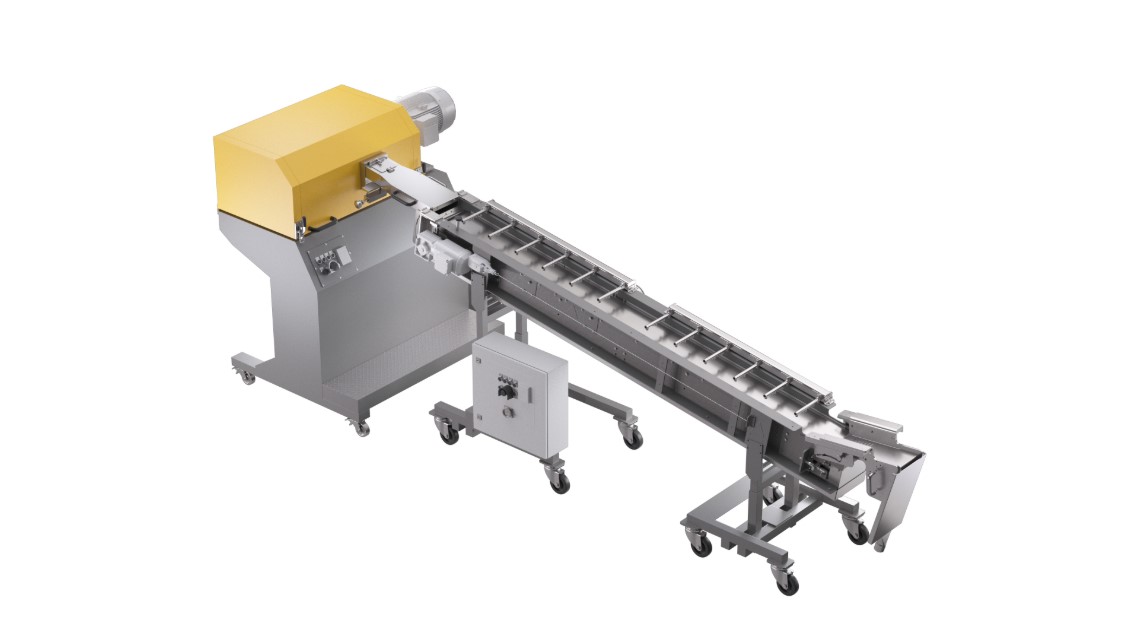
MAAG Group EBG strand pelletizing system
The MAAG Group will attend Plast Milan in Milan, Italy from June 9 to 12, 2026 and will present modern solutions for polymer processing, and manufacturing as well as pipe and hose production in Hall 13, Booth L09 M10. This will be the first joint appearance in Italy since the acquisition of SIKORA in June 2025. SIKORA is a leading provider of innovative measurement, control, inspection, and sorting technologies.
At the booth visitors can see:
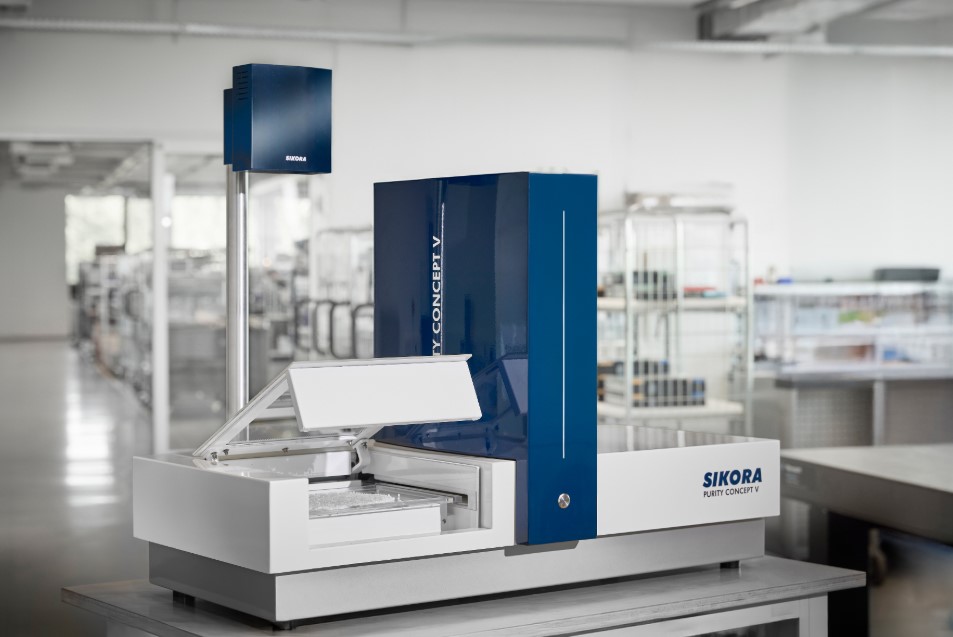
The PURITY CONCEPT V laboratory system inspects and analyzes granules, flakes, and test plates.
First gear pump specifically designed for pumping hard PVC
High-performance melt filters for recycling processes
PURITY CONCEPT V for inspection and analysis of pellets, flakes, and test plates
PURITY SCANNER ADVANCED for inspection and sorting of demanding plastic applications
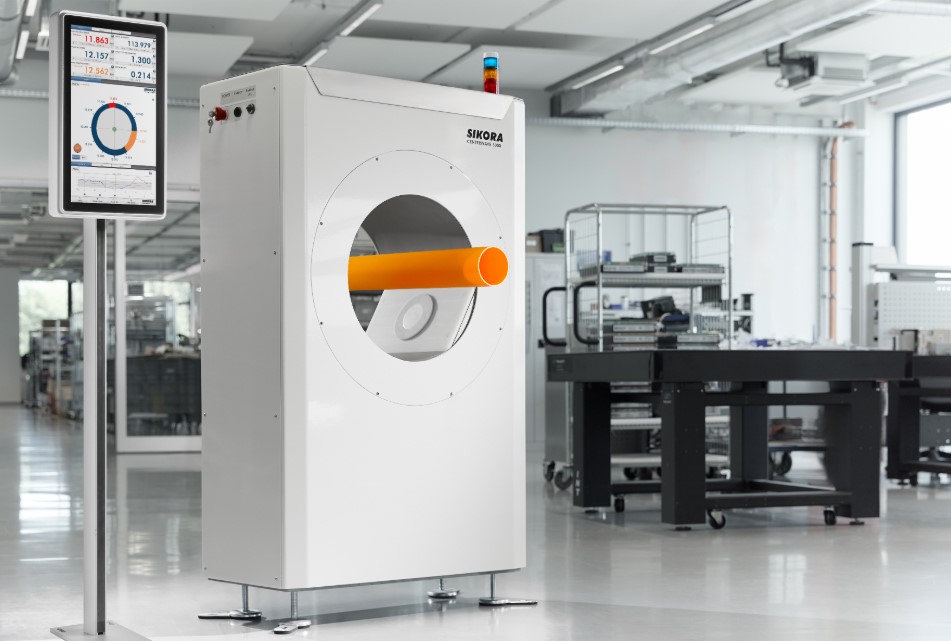
CENTERWAVE 6000 for measuring the wall thickness and diameter of pipes from 32 to 1,600 mm
The CENTERWAVE 6000 measures pipes from 32 to 1,600 mm.
Together, MAAG Group and SIKORA show their combined expertise along the entire value chain of plastics processing. “Our aim is not only to provide customers with first-class machines and systems, but also to support them as a long-term partner with in-depth process expertise,” summarizes Ueli Thürig, President MAAG Group.
Reliable And Accurate CV Line Inspection With X-RAY 8000 ADVANCED
Energy cables place high demands on their function and their production. As submarine and underground cables, they ensure that energy is reliably transported to where it is needed. To ensure that electricity is delivered safely, the highest cable quality is essential. For over 30 years, SIKORA’s X-RAY 8000, with over 2,000 systems installed, has been considered the global industry standard in CV lines.
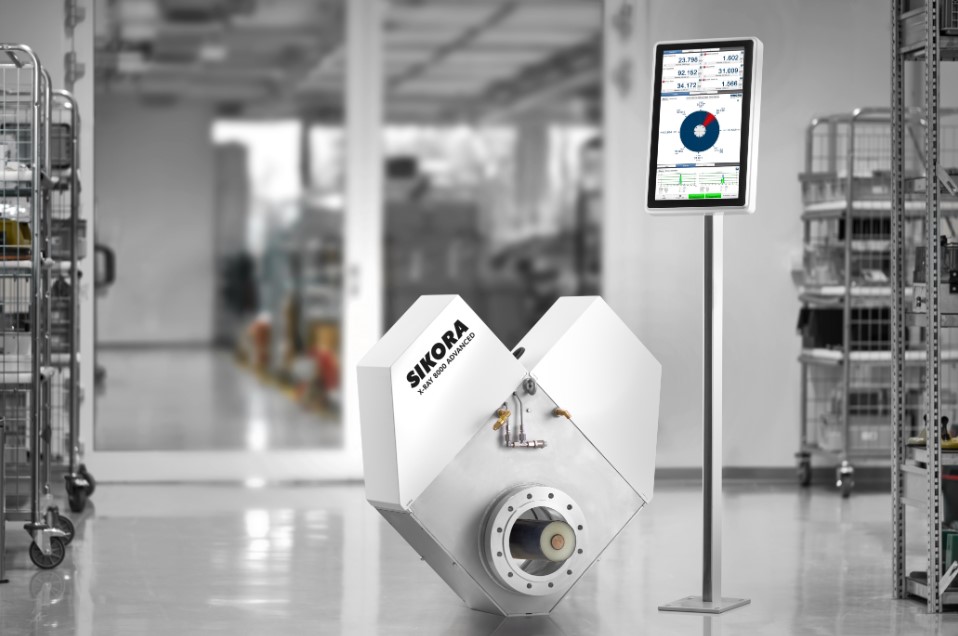
Directly after the extruder, in the CV pipe, the X-RAY 8000 ADVANCED X-ray measuring system measures the dimensions of the cable – such as wall thickness, eccentricity, diameter, and ovality. Unlike conventional systems on the market, the X-RAY 8000 ADVANCED features unique High-Speed Technology (HST). It is equipped with 16 measuring sensors, which reduces the measuring distances and thus measures at least 10 times faster than conventional systems. The result: the measuring values are available in less than 30 seconds for immediate centering and distortion-free control to the target dimension within 100 seconds.
Continuous use of the X-RAY 8000 ADVANCED enables a wall thickness reduction of around 5%, resulting in significant material and cost savings. The 5% material savings correspond to a CO₂ reduction of around 375 tons per year – comparable to approximately 125 round-trip flights between Frankfurt and New York. The X-RAY 8000 ADVANCED thus contributes to greater sustainability in cable production.
The durable XLL X-ray technology ensures a long service life. Special, self-cleaning, and non-toxic (NTX) measuring windows guarantee particularly safe and healthy handling in the CV line. In addition to the measuring system, a control cabinet containing an industrial PC for evaluating the X-ray image is supplied. All measuring values are clearly visualized and logged in real time on a TFT monitor.
The X-RAY 8000 ADVANCED can be integrated both vertically in CCV lines and VCV lines as well as in a horizontal line for medium-voltage cables. It can also be used in hybrid CV lines where both XLPE and PP are used as insulation materials.
The X-RAY 8000 ADVANCED is used for quality control in CV lines.
For final quality control at the end of the CV line, the X-RAY 8700 NXT records the cold values of the cable. In combination with the X-RAY 8000 ADVANCED at the beginning of the line, the shrinkage values for all three insulation layers of the cable can also be precisely determined. This ensures optimal process control and meets existing cable quality requirements for maximum reliability and safety.
China-Based Specialty H2O2 Facility Completed By Evonik And Fuhua
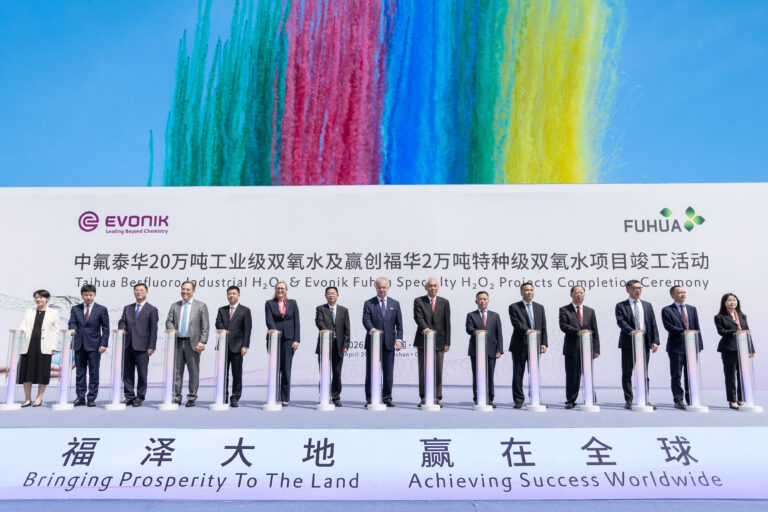
Evonik and Fuhua have completed construction of a state-of-the-art hydrogen peroxide plant in Leshan, China. Set to produce specialty-grade hydrogen peroxide for cutting-edge industries like photovoltaics and semiconductors, the facility will enter trial production soon, with full operations expected by Q2 2026.
Facility now entering trial production of specialty grades
Full start-up expected in Q2 2026 with annual production capacity of 20,000 tons
Evonik Fuhua New Materials has completed construction of its hydrogen peroxide (H2O2) facility in Leshan, Sichuan Province, China. The joint venture between Evonik and Fuhua Tongda Chemicals Company (Fuhua) will purify industrial-grade H2O2 into specialty grades to serve high-growth markets in the region. The plant is now preparing to enter trial production, with the first commercial volumes expected in Q2 2026.
Based on technology licensed from Evonik’s Active Oxygens business line, the facility utilizes industrial-grade H2O2 produced by Fuhua as a feedstock. The resulting specialty grades will be offered to meet growing regional demand for high-end applications such as solar cell production, semiconductor manufacturing, food packaging, cosmetics, and pharmaceuticals. The plant is designed with an annual production capacity of 20,000 tons.
Christian Kullmann, Chairman of the Evonik Executive Board, emphasized the strategic importance of the collaboration: “Evonik’s leading position in the global specialty chemicals industry is built on innovation, strong technology platforms, and a global network. This project showcases our exemplary cooperation model with important partners like Fuhua: By combining Evonik’s technological strengths with Fuhua’s industrial chain and local capabilities, we will jointly provide high-quality solutions for customers in the region and globally.”
Dr. Claus Rettig, interim CFO of Evonik and President of Evonik Asia Pacific, added: “This facility will strengthen Evonik’s supply capability and service efficiency in the Asia-Pacific region, particularly in China. Through local cooperation, Evonik will be better positioned to meet the rapidly growing demand for high-purity specialty-grade hydrogen peroxide products, ensuring reliable and efficient support for our customers.”
Fuhua Chairman Zhang Hua underscored the significance of the collaboration: “This partnership with Evonik marks an important milestone in Fuhua’s development toward higher-end and more international operations. The project will further enhance Fuhua’s competitiveness and support national development priorities in new energy, advanced manufacturing, and future-oriented chemical production.”
Hydrogen peroxide is a versatile chemical needed for a wide array of industries. It plays an essential role in applications ranging from electronics to renewable energy and aseptic packaging. Yet after use, the chemical breaks down into only oxygen and water – giving it a particularly beneficial environmental handprint.
Gneuss MC Moves Ahead Independently In Sensors And Measurement Technology Market
Gneuss Spins Off Its Sensors and Measurement Technology Division into a Separate Company
Gneuss Kunststofftechnik GmbH, a supplier of plastics processing and recycling equipment and systems, is restructuring its sensor and measurement technology division. As of May 1, 2026, the operational business will be fully transferred to the newly founded Gneuss MC GmbH & Co. KG.
This move is a response to the division’s continuous growth in recent years. Rising demand and increasing technological complexity mean that a more independent organisational structure is necessary.
The new company will consolidate all activities within the Measurement & Controls division, creating a clear structure for further business development. All division employees will transfer to the newly established company.
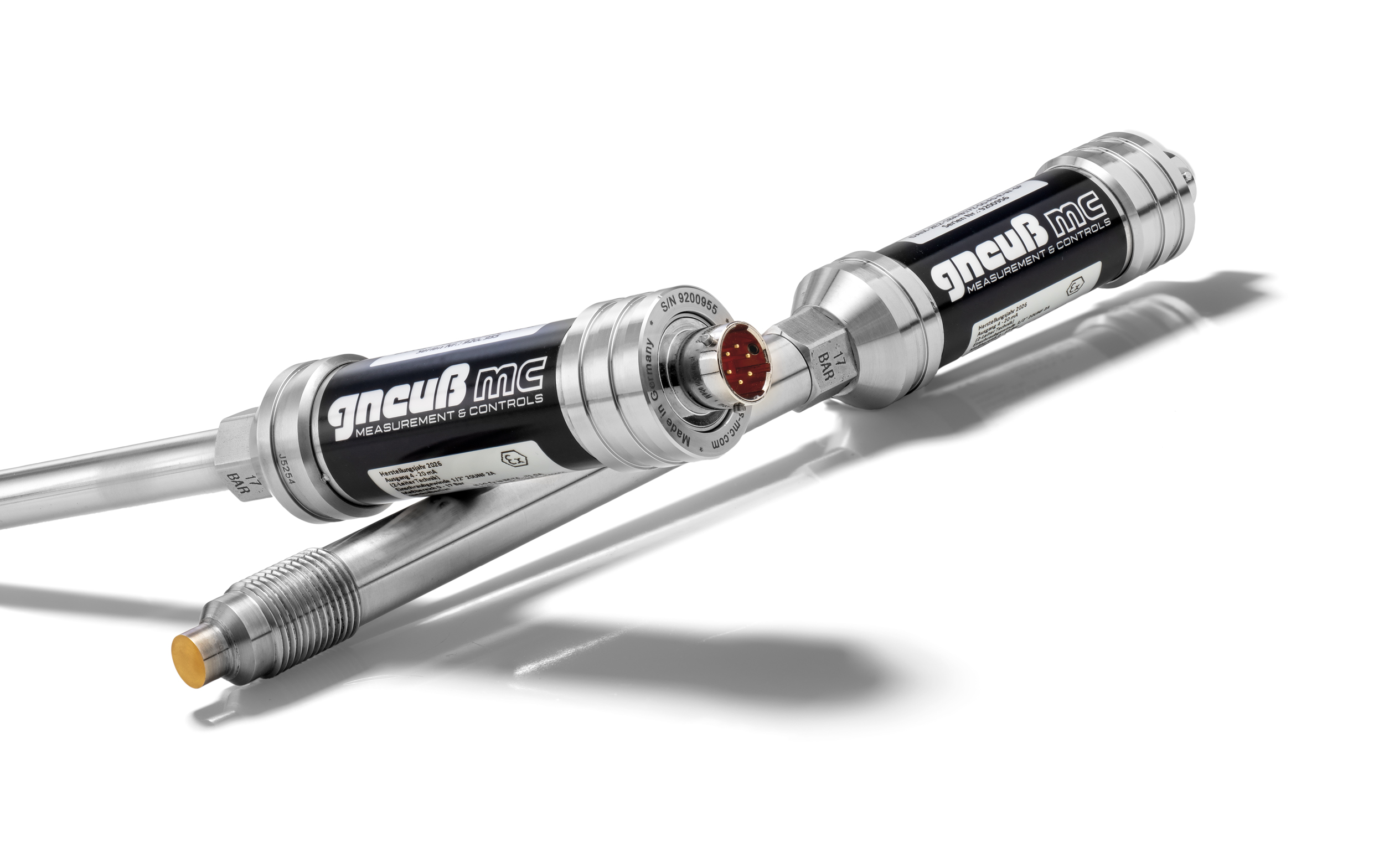
Gneuss MC develops and manufactures sensor solutions for pressure and temperature measurement in extrusion processes. These systems are designed for demanding industrial applications and ensure reliable measurements even under conditions such as abrasion, corrosion and high temperatures.
Another focus is on customer-specific solutions: Thanks to its in-house manufacturing capabilities, Gneuss can produce both standardised and custom-designed sensors. The portfolio is complemented by digital technologies, including fully digital sensors and RFID-based systems for measuring and monitoring equipment.
“With this spin-off, we are creating the structural conditions to consistently further develop our sensor and measurement technologies and strengthen our position as a technology leader in the long term,” says Dr Stephan Gneuss.
R-Cycle And TILISCO Drive Packaging Compliance Innovation With PPWR Compliance Compass
The clock is ticking for the packaging industry: Key requirements of the EU Packaging and Packaging Waste Regulation (PPWR) will take effect on August 12, 2026. To support packaging manufacturers in this monumental task, R-Cycle, together with packaging management specialist TILISCO, is presenting a new AI-based software-as-a-service solution – the PPWR Compliance Compass – at this year’s Interpack in Düsseldorf (Hall 7a, Booth C10, Start-up Zone).
AI-powered data aggregation instead of manual effort
In practice, the biggest hurdle in implementing the PPWR often lies in scattered and incomplete data. Information is often stored in different systems and formats – for example, in PDFs, Excel sheets, or emails from suppliers. This is where the PPWR Compliance Compass comes in with its AI-powered data capturing.
A specially trained artificial intelligence automatically extracts and aggregates all relevant packaging data from various sources. Missing information is easily completed with the help of specific supplier inquiries. Users receive a transparent overview of their packaging portfolio via a dashboard. As soon as all necessary packaging information is available, they can generate the legally required declaration of conformity at the click of a button.
Intelligent GAP analysis for efficient results
A key feature of the tool is its built-in GAP analysis. The system immediately compares the existing data set with the current PPWR requirements. An intuitive traffic-light system visualizes the compliance status of the entire portfolio and immediately highlights any missing or critical information. Particularly practical: Users can request the missing information from their respective suppliers directly within the tool to efficiently close data gaps.
The PPWR Compliance Compass enables rapid implementation of all currently relevant requirements while also ensuring future-proofing, as it evolves alongside regulatory requirements. The focus is on the information required to comply with PPWR regulations from the effective date of August 12, 2026 – this simplifies the process and enables timely implementation for companies, even if they do not yet have the necessary in-house expertise and resources. The scope of the tool will be gradually expanded in line with growing legal requirements, ensuring that users can continue to meet the current PPWR compliance requirements at the click of a button and get transparency regarding the regulatory landscape. To achieve this, R-Cycle draws on a large network of various expert communities that continuously address the interpretation and application of regulatory requirements.
The PPWR Compliance Compass Live
Visitors to Interpack can experience the tool’s capabilities firsthand at the R-Cycle booth – from easy-to-use AI-based data capturing to the final declaration of conformity. The comprehensive demo version covers various types of packaging (FMCG, industrial, logistics, etc.) and provides a step-by-step guide to using the tool.
“Packaging manufacturers should be able to focus on what matters most, rather than wasting valuable time manually searching for and preparing data,” explains Dr. Benedikt Brenken, Director of R-Cycle. “That’s why we offer an AI-powered solution that enables users to achieve rapid PPWR compliance based on a streamlined and easy-to-use platform.”
A key advantage of the solution is its technological backbone: The system uses open and global GS1 standards. These form the global “language of business” and ensure a future-proof infrastructure that enables seamless interoperability between manufacturers, suppliers, and retailers.
Exclusive Partnership: Regulatory Expertise Meets Digital Innovation
The development of the PPWR Compliance Compass is the result of an exclusive partnership between ProData GmbH and TILISCO GmbH. This collaboration combines TILISCO’s technical and regulatory expertise in comprehensive packaging management with ProData’s proven R-Cycle platform for the digitization of packaging data. The unique value proposition for the customer: The software incorporates the necessary expertise to comply with complex EU regulations and is based on R-Cycle’s proven data standards, which are already used by a community of over 50 renowned companies across the entire value chain.
Ultraled Displays Expands Its India Journey With Mumbai Hub
This premier company-owned Experience Centre in Mumbai will serve as a high-touch brand engagement space and a specialized training platform for channel partners, and customers.
Five additional centres planned; expansion to Hyderabad, Bengaluru and Kolkata underway
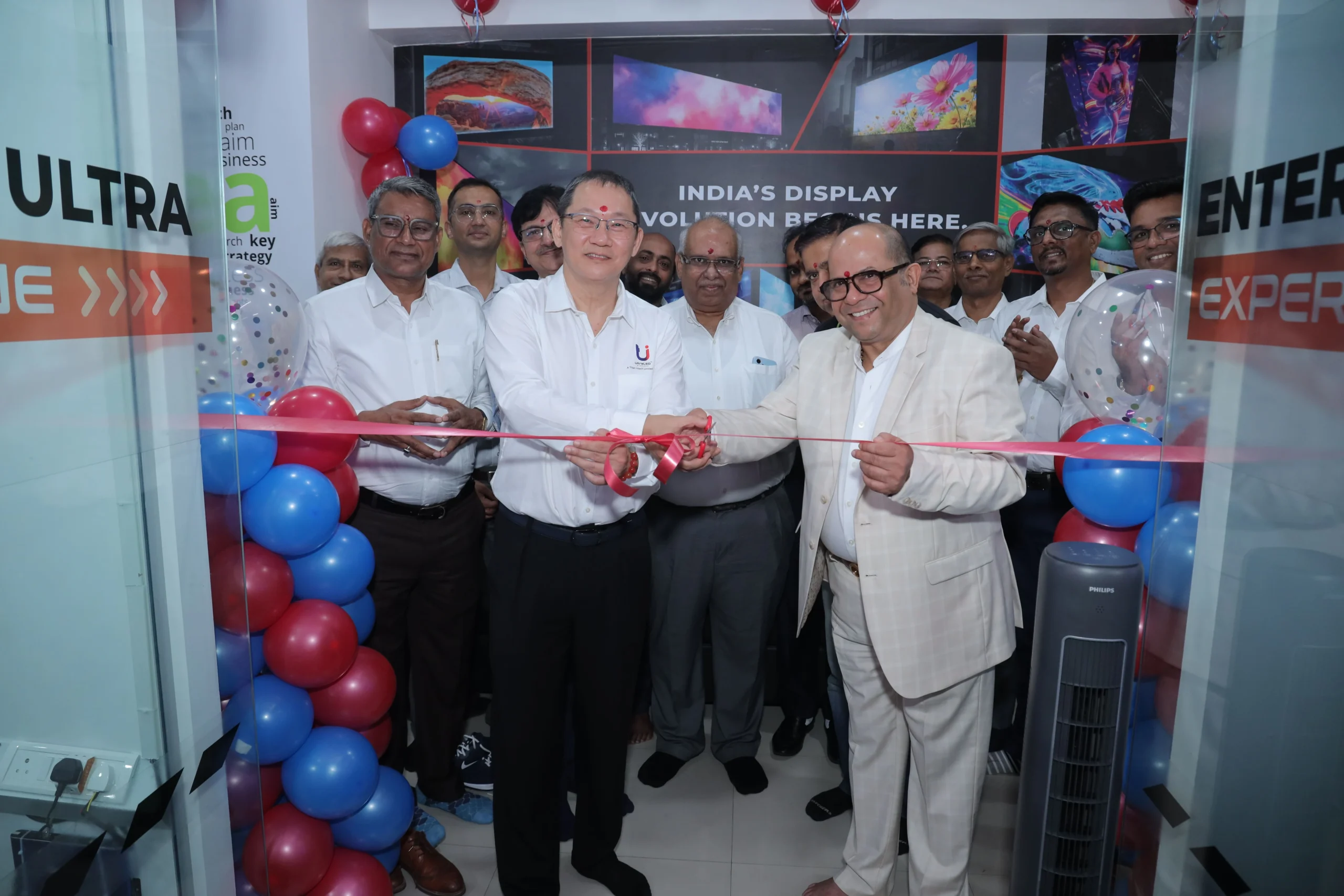
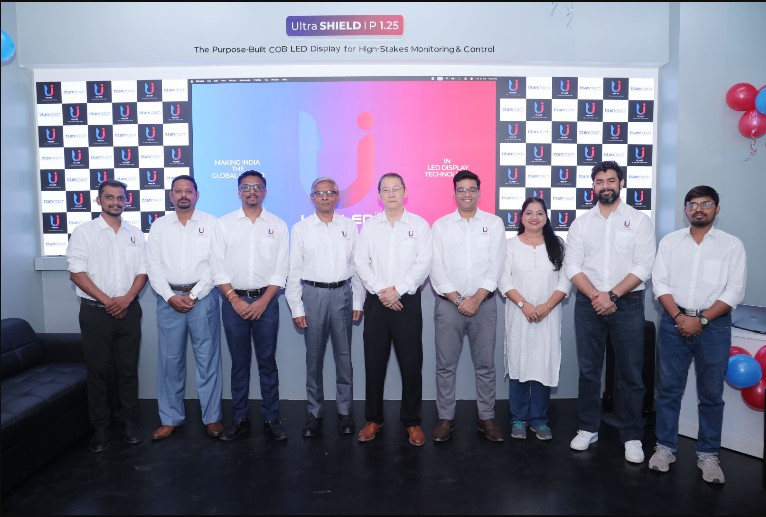
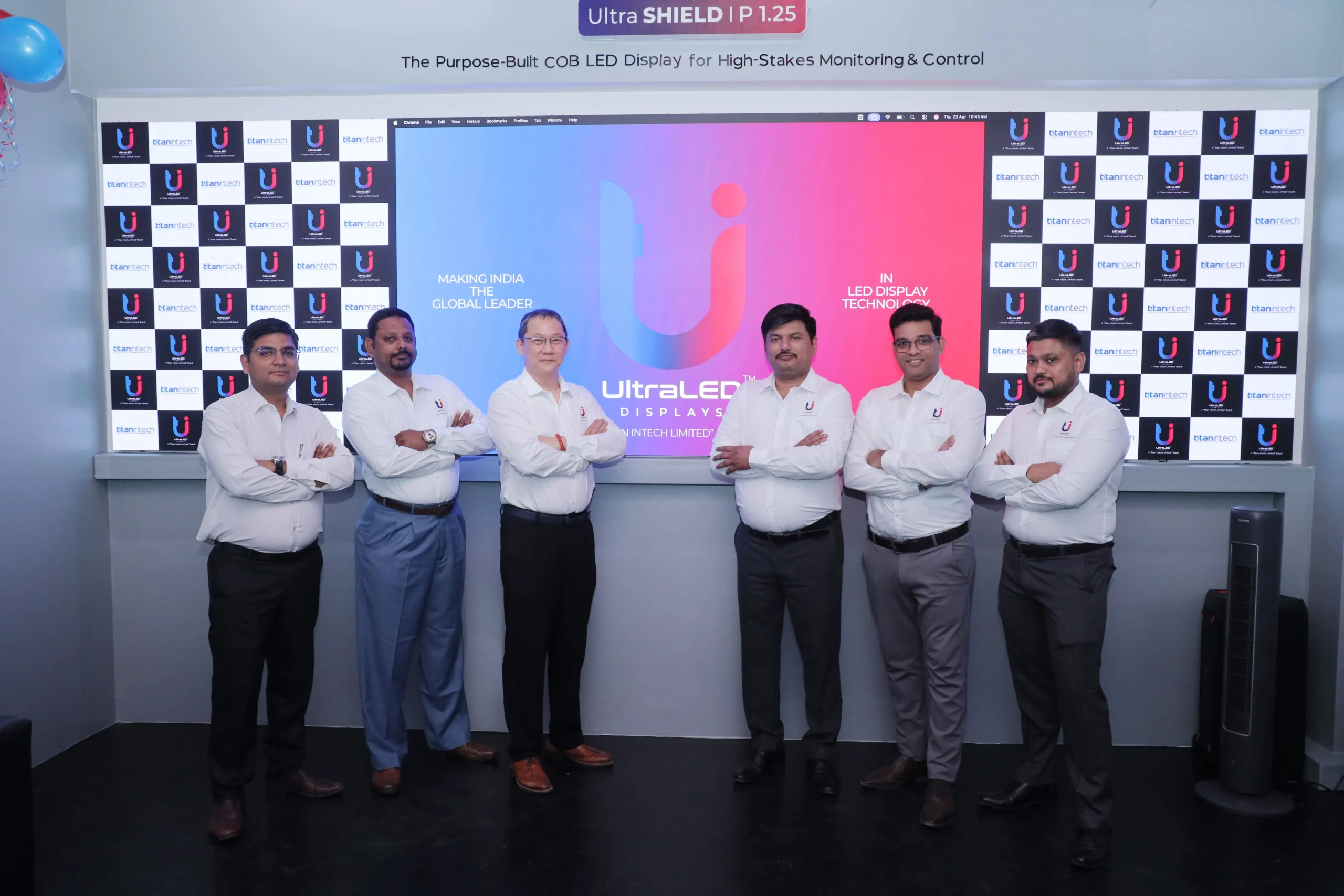
UltraLED Displays, a Titan Intech Ltd brand specializing in LED display solutions, has inaugurated its Mumbai Experience Centre, marking the launch of its second company-owned hub and a key step in its national expansion journey. This also marks the company’s second experience centre launch within a week, underscoring its rapid expansion strategy and strong commitment towards enabling immersive product experiences for customers and partners across India. The centre was inaugurated by Mr. Su Piow Ko, Director, Titan Intech Ltd, and Mr. Narsimharao Venuturupalle, Whole Time Director, Titan Intech Ltd, in the presence of industry representatives and partners.
Strategically located at 3rd Floor, Millennium Business Park, Office No. B-303, Mahape, Navi Mumbai, Maharashtra, the experience centre has been developed as a dedicated product and brand engagement space for India’s financial capital. It enables enterprise clients, partners, and decision-makers to explore UltraLED’s display technologies through immersive demonstrations and real-world application scenarios.
The centre has been designed as a multi-purpose environment to facilitate product exploration, live demos, solution consultations, and hands-on training sessions. It is expected to play a critical role in enabling informed decision-making for businesses evaluating display infrastructure and AV solutions.
The facility showcases UltraLED’s full portfolio, including Ultra SHIELD COB Displays, Ultra EDGE SMD Displays, Ultra Engage All-in-One COB Displays, Transparent Displays, and K-type digital kiosks along with digital standees. These solutions cater to a wide range of applications spanning mission control centres, oil and gas operations, corporate environments, retail ecosystems, and public infrastructure.
Commenting on the launch, Mr. Su Piow Ko, Director, Titan Intech Ltd, said, “Mumbai is a key market for us, and this centre allows us to engage with customers in a far more direct and experiential way. Seeing and interacting with these solutions firsthand brings a different level of clarity when businesses are evaluating long-term technology investments.”
Mr. Narsimharao Venuturupalle, Whole Time Director, Titan Intech Ltd, added, “As the market evolves, customers are looking for more than just products, they are looking for guidance, reliability, and strong execution support. This centre has been built to address exactly that by bringing together technology, expertise, and collaboration under one roof.”
The Mumbai launch builds on UltraLED’s ongoing expansion roadmap, aligned with its ‘Made in Bharat, Made for Bharat’ philosophy. The company plans to roll out five additional experience centres across major cities as part of its nationwide expansion strategy. Following Mumbai, the next phase includes Hyderabad, with Bengaluru and Kolkata scheduled subsequently.
The company has previously outlined an investment of approximately Rs 5 crore to support this expansion, aimed at strengthening regional reach and enhancing market access in a segment largely dominated by imported solutions. Through this initiative, UltraLED aims to promote locally engineered technologies such as COB, SMD, and MIP, while building robust service and support ecosystems across India.
Dewtector Advances Moisture Measurement Technology For Bulk Solids
Ensuring Quality and Consistency in Plastic Manufacturing and Recycling
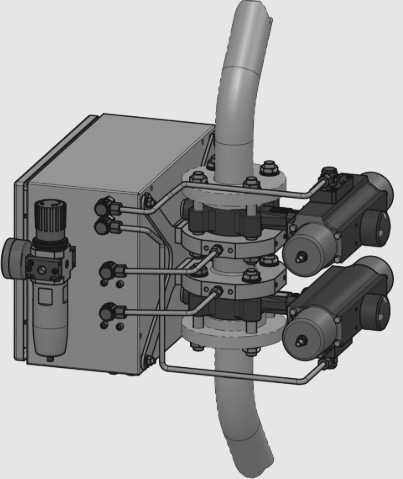
A cross-sectional view of the DewTector’s product chamber, illustrating the air flow. The direct measurement approach using a hygrometer eliminates the need for complex calibrations for each formulation.
With the launch of the DewTector, Coperion introduces an innovative moisture measuring device designed to provide reliable, automated online measurements of surface moisture content in bulk materials, particularly plastic pellets. The patent-pending device offers an economical, simple and reliable method to help plastic manufacturers and recyclers monitor moisture levels more efficiently. It addresses a critical challenge faced by processors in maintaining both product quality and maintaining compliance with industry standards.
The DewTector uses a straightforward approach ─ it introduces a partial flow of bulk solids into a pressure-tight product chamber. The system determines the moisture content by analyzing the moisture released into the airflow. As the air absorbs moisture, it is analyzed by a hygrometer that measures only water content. This targeted detection ensures reliable results unaffected by other substances or changes in material composition. The system neither requires extensive calibration, nor the use of chemicals for different materials or recipes, making it easy to operate and maintain. The system achieves an accuracy of +5% to −15% across moisture levels ranging from several thousand ppm to a few hundred ppm, with up to ten measurements per hour.
Challenges of Moisture Measurement in Plastics Plastic manufacturers often face the challenge of moisture entering their final products, which can originate from various sources such as insufficient drying, defective water separators, leaking wash nozzles, or environmental factors like rain and condensation. If moisture levels go undetected, it can lead to costly product complaints and reputational damages. Additionally, processors must adhere to strict moisture content limits to ensure high-quality output, and the recycling sector requires dry input materials for effective processing.
Traditionally, moisture measurement has been labor-intensive and prone to inaccuracies, often relying on sporadic manual assessments of relative humidity in bags and containers. Existing automated methods, such as capacitive and microwave resonance techniques are typically complex, expensive, and require extensive calibration for different formulations, making them impractical for many users.
By simplifying moisture measurement and reducing the labor and time spent on manual sampling and analysis, the DewTector enhances operational efficiency while providing accurate, real-time data critical for process control.
PLAST 2026 Draws Expanding Global Participation Ahead Of 2026 Edition
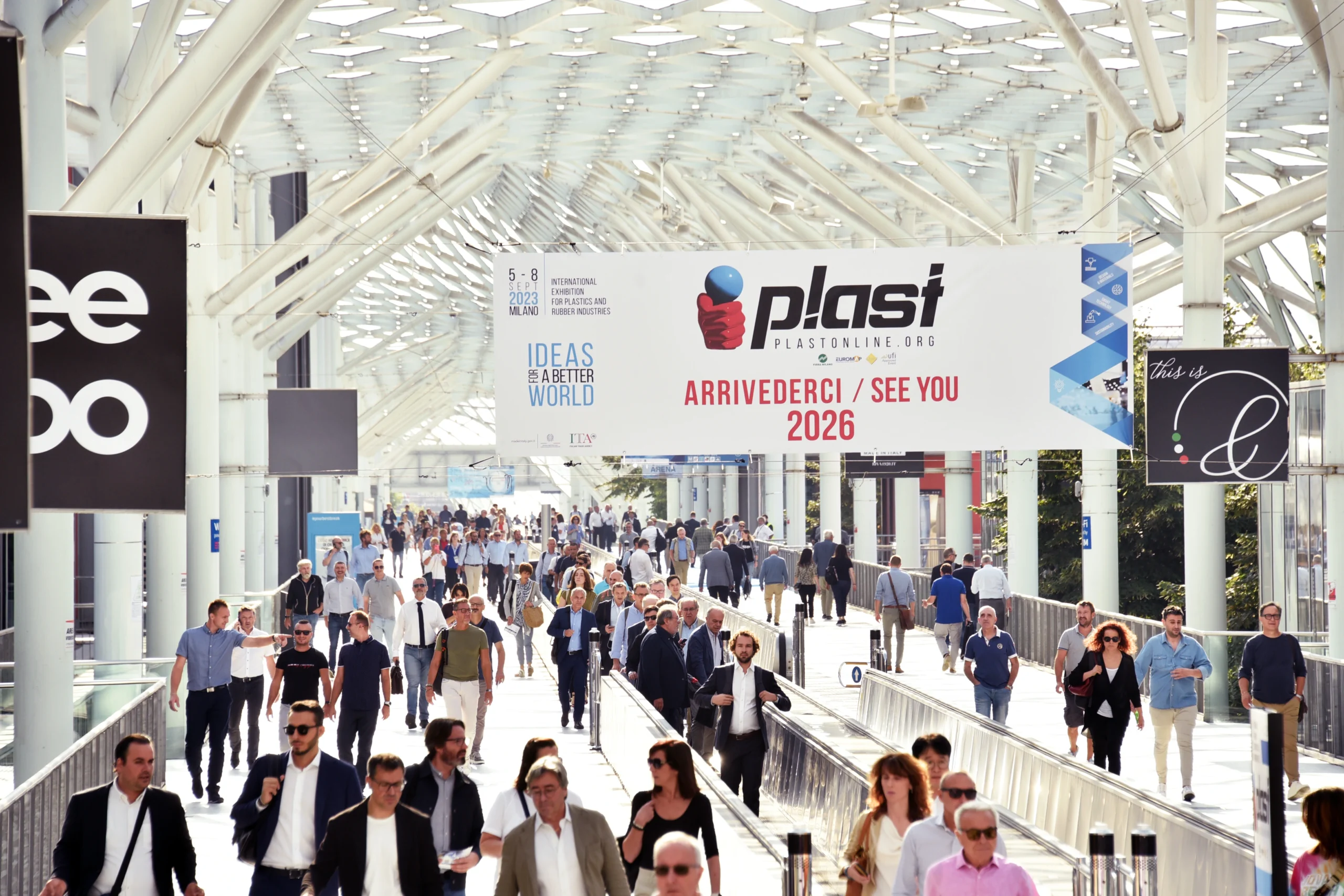
With little more than a month to go before opening, Plast 2026 confirms its position as Europe’s leading trade fair of the year in the plastics and rubber industry. The twentieth edition, scheduled from 9 to 12 June at Fiera Milano, is delivering positive results despite the complex international geopolitical and economic landscape, marked by trade tensions and instability across global markets.
The Milan show is demonstrating its resilience with the participation of over 1,000 exhibitors – 44% of them international companies – 200 of whom were not present at either of the two previous editions, across a floor space of over 40,000 square metres. A result all the more significant in a challenging market environment in which strategic sectors such as the automotive industry are undergoing a period of profound transformation. Attracting 200 new exhibiting companies in this context is a clear signal of the industry’s confidence in Plast as a platform for showcasing innovation and developing commercial relationships.
The organisation is also working to significantly increase the presence of international visitors, with representatives from the main destinations of Italian exports, through buyer delegations organised in collaboration with Agenzia ICE and strategic agreements with leading trade associations – both within the sector and representing key end markets. Over 300 delegate companies are expected, including around seventy from India and a similar number from Latin America.
Satellite shows Plast, together with its three satellite shows – Rubber, 3D Plast and PlastMat – represents the entire supply chain of the plastics and rubber industry, occupying six of the eight halls at MaTec. Rubber is dedicated to the rubber sector, from materials to processing technologies and industrial applications. 3D Plast explores the frontiers of 3D printing and additive technologies applied to polymers. PlastMat focuses on materials innovation, a central theme in the evolution of the manufacturing industry.
A market with strong potential
The “Made in Europe” machinery sector is characterised by a strong export orientation, including towards emerging markets with a growing appetite for investment, and maintains a strategic role on the global stage. Access to these markets represents a decisive lever for consolidating the excellence of European companies, particularly manufacturers of machinery for processing plastics and rubber. In this context, Plast 2026 offers industry players a leading showcase for the most advanced solutions, with particular attention to the challenges of technological innovation and environmental sustainability.
Italian plastics and rubber machinery export performance
Data on Italian exports of plastics and rubber machinery in 2025, compiled by the Amaplast research department, paint a mixed picture: significant contractions across nearly all geographical areas, with the sole exception of Asia/Oceania, driven primarily by China and India.
Destination areas for Italian exports of machines, equipment and moulds for plastics and rubber
Hosokawa Alpine Executive Board Reviews 100 Days Of Shared Management
100 days in office – a good time for an initial review. Since 1 January 2026, Michael Kuhnen as CEO and Kathrin Dörle as CFO have formed the new Executive Board team at Hosokawa Alpine AG. Both bring with them many years of experience and a deep connection to the Augsburg-based engineering company, which specialises in mechanical process engineering and blown film extrusion lines: Kuhnen had previously spent 19 years in various roles at Hosokawa Alpine and returned to the group after a year and a half away, whilst Dörle has been with the company for more than two decades and is the first woman on the Executive Board.
In this interview, the two board members discuss their first 100 days in their new roles: the challenges and initial strategic decisions, their understanding of leadership and collaboration – and the vision with which they intend to shape the future of Hosokawa Alpine.
Was it easy for you to suddenly view Hosokawa Alpine, which you both know so well, from the Executive Board’s perspective?
Our many years of service at the company and the experience gained in various roles provide an excellent foundation for our work on the Executive Board. They make it easier to understand structures, processes and the organisation as a whole. At the same time, the Executive Board perspective brings a fresh outlook on issues and areas with which we were previously less closely involved. The company is our professional home, which we know very well. The task is to consciously broaden our perspective, adopt an overall strategic view and, in doing so, make targeted use of the diverse experience gained from our previous roles.
What were the biggest challenges in the first 100 days?
The first 100 days were heavily influenced by external, unforeseeable factors. Geopolitical developments, such as the war in Iran, have a noticeable impact on key operating conditions.
At the same time, we have to consistently drive forward our strategic realignment in this demanding environment whilst simultaneously implementing measures with immediate effect. Striking this balance between a long-term perspective and operational agility was and still is particularly challenging. Added to this is a high level of internal complexity, which we need to reduce in a targeted manner to simplify decision-making processes.
What strategic decisions did you consciously make early on?
From the outset, a key focus was on developing a clear corporate strategy and implementing the associated process to ensure that this strategy is effectively put into practice on a day-to-day basis.
In addition, we drove forward the expansion of internal communication and turned our attention to the further development of our leadership and corporate culture.
Another focus was on the continuous improvement of the working environment and on increasing efficiency.
How do you define good leadership in the company’s current situation?
For us, good leadership means above all transparency and trust. Openness and mutual respect are particularly important in the current situation to provide direction and create a sense of security. Our aim is to bring everyone on board and to align the company together towards a clear goal: To practise leadership in a way that builds trust – clear in purpose, open in dialogue and committed in action.
What is particularly important to you in your collaboration on the Executive Board?
It is important to us to treat one another with openness and trust and to support one another. We work as a team – always with one another and never against one another. Our shared goal and responsibility for the company are our top priority. This approach creates a working atmosphere in which we can discuss matters constructively and make better decisions together.
In which direction should the company develop over the next three to five years?
Over the next three to five years, we aim to systematically tap into new markets and further strengthen our position. In doing so, we are evolving from a traditional mechanical engineering firm into a comprehensive solutions provider.
Our aim is to cover a wide range of technologies, expand the scope of our offerings across upstream and downstream process steps, and complement these with services, particularly in automation technology and digital solutions.
We also aim to be a partner for our customers in implementing processes across the entire lifecycle.
What should the company stand for in the future – beyond products and figures?
On the one hand, there are our corporate values such as trust, responsibility, appreciation, passion and quality, which form the foundation of our daily collaboration.
Furthermore, innovation is firmly anchored in our corporate strategy. We take a holistic view of innovation, encompassing technologies, processes and working methods.
At the same time, we are clearly committed to sustainability. For us, this means continuously reducing our carbon footprint, contributing to a more sustainable world through our products, and focusing on long-term, sustainable developments rather than short-term effects. In all of this, we rely on our own value creation.
Metal AM Simulation Enters The Next Stage Of Industrial Innovation
Evan Butcher, Principal Engineer – Additive Manufacturing, PanOptimization
Between 2016 and 2020, a lot of organizations evaluated commercially available AM simulation tools. They took a handful of metal AM parts (usually coupons, demo brackets, simple manifolds) lined up a few software options, and asked a reasonable question, can you predict distortion?
On the basis of those trials, budgets were spent, or the conclusion was reached that simulation was not scalable, too slow or not accurate enough to justify the effort. Ever since, the internal narrative in many companies has been, “We already looked at simulation.” The box is mentally ticked.
The problem is that the world we are printing in now bears very little resemblance to the world those evaluations were designed for. The parts are different, the questions are different, the pace is different, and – critically – the software ecosystem is different. Treating a 2018 bake-off as definitive is no longer a neutral decision, it is an active constraint on what metal AM can achieve.
This article is about what has changed, and what a modern evaluation of metal AM simulation and optimization needs to look like if you are serious about first-time-right production on high-value parts.
“REAL” PARTS BROKE THE FIRST GENERATION OF TOOLS
Most 2018 bake-offs were run on modest geometries: coupons, small brackets, simple manifolds. Even then, accuracy and speed were frequently not acceptable — which is one reason so many companies defaulted to trial and error as the practical route to printing parts.
Today’s critical parts look very different. Part size and complexity have dramatically increased. Rocket hardware, dense heat exchangers, large structural components, and part-scale DED repairs push old simulation tools well past their computational limits. Mesh counts explode. Run times balloon. The solver simply fails, and teams fall back (explicitly or quietly) to trial-and-error.
These are not cheap mistakes. With prints frequently reaching six-figure costs, an accurate and scalable simulation capability is needed to:
Make metal AM profitable
Increase machine throughput and uptime
Reduce costs associated with failed prints and rework
Shorten time to production and qualification
PanX is an enabling technology designed specifically to solve the problems of modern AM. In practice, it is often the only production-ready solver that can handle these complex parts at the required model resolution and accuracy, and where older solvers can run, PanX typically runs 10–100× faster with superior accuracy.
BEYOND JUST DISTORTION SIMULATION
In 2018, the dominant question was: “Can you predict distortion?” Distortion still matters, but it isn’t the whole story, and it isn’t the same story for everyone.
For engineers, the bar has moved. They want simulation to go beyond rough trend prediction and become a tool for:
Part design (orientation and features)
Part qualification (thermal history, defect risk, mechanical properties)
Process optimization (dwell-times, process parameters, geometries)
And for leadership, the underlying question is even more direct. Can simulation help make metal AM profitable and predictable, rather than a high-cost experiment?
Aerospike – Full-part LPBF aerospike FEA mesh (right) is able to resolve the smallest part features, as well as the entire build volume: 26M elements / 57M nodes.
A solver that only produces stress and distortion plots is misaligned with the decisions that actually govern flight readiness, warranty exposure, and program economics. PanX was built explicitly with those qualification-grade and business-critical questions in mind, not as a prettier way to look at the same old contours, but as infrastructure for how metal AM gets designed, qualified and run in production.
FROM STANDALONE TOOLS TO EMBEDDED INFRASTRUCTURE
The simulation toolchain you evaluated in 2018 has moved on, or, in many cases, not moved at all. Old solvers have shrinking development teams, frozen roadmaps, or have been absorbed into portfolios where AM is no longer the priority.
At the same time, OEMs and build-prep vendors now expose richer interfaces. That opens the door to something that simply wasn’t realistic in most 2018 trials: simulation as an engine behind your existing workflows, seamlessly feeding insight into the manufacturing strategy rather than living as a separate island.
This is central to the 2026 vision for PanX: prediction plus optimization, delivered through OEM and ecosystem integrations so that engineers experience it as part of everyday work, not an extra task.
RETHINKING HOW WE EVALUATE AM SIMULATION
If you accept that parts, questions, pace, and ecosystem have all shifted, it follows that the way we evaluate tools must change as well. In our work with customers, a more realistic evaluation tends to have four characteristics.
1. Use real production parts, not simple research/prototype parts.
Include at least one geometry that genuinely stresses your current workflow (the heat exchanger, the large rocket component, the part-scale repair). If a tool can’t cope with that, it doesn’t matter how good it looks on a coupon.
2. Measure throughput, not just one-off runtime.
Ask how many meaningful scenarios can be run per week on hardware you are actually willing to buy. The ability to explore 200 variants in the same time an older code needs for two is a material competitive advantage.
3. Tie metrics to qualification and economics.
Frame success in terms of fewer failed builds, shorter time to a qualified part, and reduced uncertainty in critical regions, not just “did the displacement match a gauge within X%?”
4. Consider the integration roadmap as a first-order criterion.
Probe how the solver will connect to your OEM workflows and automation platforms over the next five years. A frozen codebase, however familiar, is not a neutral choice when your machines and requirements are moving.
RE-OPENING THE CONVERSATION
Re-examining a 2018 simulation decision is not an admission of failure, it is an acknowledgment that metal AM has grown up. If your flagship parts are larger and more complex, your qualification burden is heavier, your timelines are tighter, and your tools and evaluation criteria are unchanged, something has to give.
The practical questions to ask inside your organization are straightforward:
Can our current tools handle the largest, most complex parts we actually care about, at useful run-times and resolution?
Do they answer qualification-grade questions, or only provide basic distortion plots?
Are they fast and robust enough to be used as a design and optimization engine, not just a report generator?
Is there a credible roadmap for OEM integrations and process optimization, or are we effectively on frozen code?
PanX Feed-forward power optimization achieves uniform melt quality by varying laser power spatially across each layer based on the predicted interalyer temperatures.
If the honest answers are uncomfortable, your 2018 evaluation has expired. The opportunity is not simply to swap one solver for another, but to treat simulation and optimization as core infrastructure for how metal AM is designed, qualified, and run in production.
That is the mindset shift we see in the organizations getting the most value from PanX, and it is the shift the wider industry will need if we want metal AM to move beyond isolated successes and into reliable, large-scale, economically compelling production.