Wednesday, July 1, 2026
spot_img
Home Blog Page 57

Enhancing Component Durability with Advanced Photo-Chemical Etching

Enhancing Component Durability with Advanced Photo-Chemical Etching

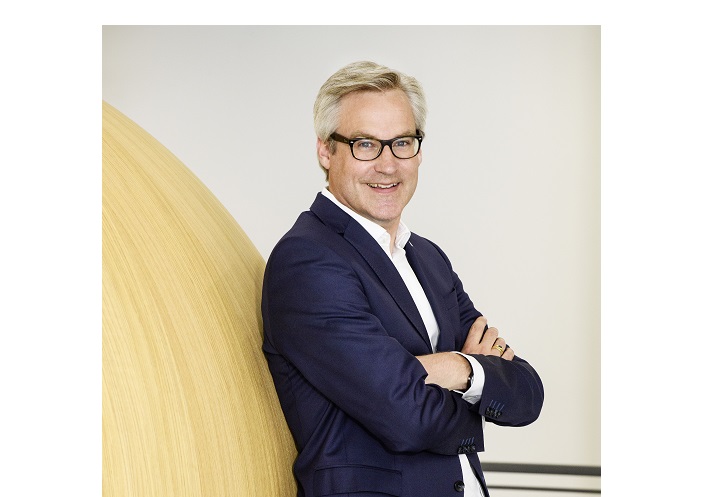
Jochen Kern, Head of Sales & Marketing, micrometal

In today’s manufacturing landscape, where precision, reliability, and cost-efficiency are more critical than ever, companies are looking beyond immediate production costs to consider the long-term value of their components and systems. Total cost of ownership (TCO) is a key metric driving decision-making processes, and it encompasses far more than initial purchase costs. From reduced maintenance requirements to extended product lifecycles, manufacturers are increasingly prioritising solutions that deliver sustained performance over time. Photo-chemical etching (PCE) has emerged as one such solution, offering manufacturers long-term benefits that positively impact both product longevity and overall operational costs.

At micrometal Group, we see firsthand how PCE contributes to improving the lifespan, reliability, and cost-efficiency of components in industries as varied as medical devices, automotive, electronics, and aerospace. Here, we explore how this advanced manufacturing technology enhances the product lifecycle and helps manufacturers achieve long-term business benefits.

The Link Between Precision and Longevity

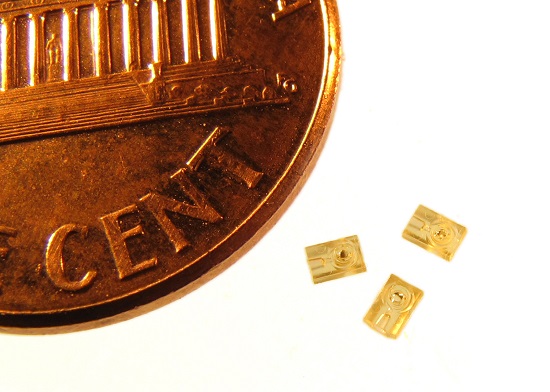
One of the core strengths of PCE is its ability to produce complex components with unmatched precision. PCE is a non-contact, tool-free process that allows manufacturers to create intricate parts without introducing mechanical stresses or distortions. This is particularly important for components that must endure harsh operating conditions, as even minor imperfections can reduce the longevity of a product.

Precision is directly linked to reliability. When you eliminate burrs, stress points, and surface imperfections through PCE, you create a component that performs more reliably over its entire lifespan. That’s why industries where failure is not an option — such as medical, aerospace, and automotive — are turning to PCE for critical parts.

In sectors such as medical devices and automotive systems, where components are expected to function flawlessly for years or even decades, PCE provides an assurance of durability. The smooth, burr-free edges and uniform material properties achieved through PCE reduce the risk of fatigue and failure over time, resulting in longer-lasting products and reduced maintenance needs.

Reducing Maintenance and Downtime

For manufacturers, the cost of maintenance and downtime can be a significant burden. Frequent part replacements, unplanned maintenance, and machine downtime all contribute to increased operational costs. By using components produced through PCE, manufacturers can significantly reduce these costs.

Because PCE creates parts that are burr-free and free from mechanical stresses, these components tend to have better wear resistance and are less prone to failure. For example, in the electronics industry, PCE is used to produce EMI/RFI shielding components that maintain their structural integrity even in challenging environments. Similarly, in the automotive sector, PCE components are used in fuel injection systems, sensors, and other critical parts that benefit from enhanced reliability.

Reducing maintenance requirements is one of the hidden benefits of PCE. When components are more reliable, machines run longer without interruptions, and the need for replacements decreases. That’s a major advantage for manufacturers looking to optimize their operational efficiency.

Enhancing Product Performance and Efficiency

In many cases, the use of PCE components can also enhance the overall performance of a product. Because PCE allows for the creation of highly intricate designs with tight tolerances, manufacturers can optimise component functionality in ways that other manufacturing methods cannot achieve.

For example, in microfluidic devices used in medical diagnostics, PCE enables the production of highly accurate channels and patterns that ensure precise fluid control. In aerospace applications, PCE is used to create lightweight components with complex geometries that reduce overall weight while maintaining structural integrity.

The ability to create these optimised designs has a direct impact on the product lifecycle. Components that perform more efficiently tend to experience less wear and tear, further extending their lifespan. Additionally, products that are more efficient often require less energy to operate, contributing to long-term cost savings for end-users.

Lowering Total Cost of Ownership (TCO)

Total cost of ownership (TCO) goes beyond the initial purchase price of a component to include factors such as maintenance, downtime, energy consumption, and overall lifespan. When manufacturers consider TCO, they look for solutions that provide the best long-term value — not just the lowest upfront cost. Photo-chemical etching contributes to a lower TCO in several ways:

  • Reduced Maintenance Costs: Burr-free and stress-free components last longer and require fewer replacements.
  • Minimised Downtime: Reliable components reduce the risk of unplanned maintenance and production interruptions.
  • Improved Efficiency: Precision-etched components optimise product performance, reducing energy consumption and operational costs.

micrometal Group works closely with its customers to help them understand how PCE can positively impact their TCO. It’s not just about the immediate cost savings, it’s about delivering components that provide long-term value and reliability.

Many industries are placing a greater emphasis on lifecycle management and sustainable production practices. By choosing PCE, manufacturers can contribute to these goals while also benefiting from the long-term advantages of reliable, precision-engineered components.

Sustainability is becoming an increasingly important consideration for customers. PCE offers a more environmentally friendly manufacturing process, and by extending the lifecycle of components, it can help manufacturers reduce their overall environmental footprint.

Applications Across Industries

The long-term benefits of PCE can be seen across a variety of industries. In the medical device sector, PCE is used to create precise, burr-free components for surgical instruments, diagnostic devices, and implants, ensuring that these critical tools meet stringent safety and performance standards. In the automotive industry, components such as fuel injection nozzles, sensors, and heat shields benefit from the precision and durability that PCE provides, helping to improve vehicle performance and reliability. In aerospace applications, lightweight and complex components are produced through PCE for use in critical systems where reliability is essential, ensuring that these parts can withstand extreme conditions without compromising performance. Additionally, in the electronics sector, PCE is employed to manufacture EMI/RFI shielding, microfilters, and connectors, ensuring the performance and longevity of devices in environments where signal integrity and protection from interference are paramount.

Summary

In a competitive manufacturing environment, focusing on long-term value is essential for success. PCE provides manufacturers with a solution that enhances product lifecycle, reduces maintenance needs, and lowers total cost of ownership. By choosing PCE, manufacturers can achieve greater reliability, efficiency, and sustainability in their products.

micrometal Group is committed to helping manufacturers unlock these benefits through its expertise in PCE. By working closely with its customers to understand their specific needs, the company delivers solutions that provide long-term value and help it stay ahead in an ever-evolving market.

PCE isn’t just about making parts, it’s about creating components that stand the test of time. Micrometal Group is proud to play a role in helping manufacturers achieve their goals of reliability, sustainability, and cost-efficiency.

www.micrometal.de

#micrometal #PhotoChemicalEtching #PrecisionManufacturing #SustainableManufacturing #AutomotiveTechnology #MedicalDevices #AerospaceInnovation #ElectronicsShielding
#TotalCostOfOwnership #GreenManufacturing #IndustrialEfficiency #modernplasticsindia
#modernplasticsasia #plasticsislife #plasticstalk #modernplastics #modernplasticsworld
#pasticsnews #plasticsisgood #plasticsplane #plasticmagazine #plasticIndustry
#modernplasticsmiddleeast #indianmagazine #innovations #modernplasticsamerica
#modernplasticsbangladesh #modernplasticsasia #modernplasticsitaly

Accumold Highlights Micro-Optics Excellence at Photonics West 2025

0

Accumold Highlights Micro-Optics Excellence at Photonics West 2025

Accumold, a global leader in precision micro injection molding, is excited to kick off the new year with its annual attendance at industry-leading trade shows, starting with SPIE Photonics West in San Francisco, CA, from January 28-30, 2025. The company will be at booth 1853, showcasing cutting-edge micro-molded plastic components that range from 5 cm down to under 1 mm in size, all exhibiting micron-level features.

“We’re thrilled to kick off the new year at Photonics West this January! This show is always a highlight for Accumold as it marks the start of our annual event calendar. We love reconnecting with familiar faces, meeting new industry professionals, and exploring the latest advancements in technology. Be sure to visit our booth to learn how micro molding can help bring your ideas to life! says Brett Saddoris, Technical Marketing Manager at Accumold.

Accumold brings more than 40 years of expertise to industries driving toward smaller, more complex components, with a particular focus on micro-optics. The company has played a key role in developing breakthrough products for both innovative SMEs and large multinational corporations. Its micro-optic capabilities include manufacturing fiber optic lenses, parallel arrays, demux devices, and diffractive lenses — all with extreme precision.

Micro-optic applications require accuracy down to fractions of a wavelength. From insert molding to adding specialized coatings like IR and anti-reflective layers, Accumold is trusted by OEMs to meet tight tolerances while maintaining cost-efficiency. With the ability to replicate lens profiles to within a quarter wave and achieve surface finishes within 50 angstroms, Accumold sets the benchmark for quality in micro-optics manufacturing.

Saddoris continues, “A critical takeaway for attendees is the importance of engaging micro- molding experts early in the product development cycle. Treating a supplier like Accumold as a true partner — not merely a job shop — can make all the difference in achieving efficient, scalable, and cost-effective manufacturing solutions.”

Beyond molding, Accumold’s expertise extends to solving tooling challenges and ensuring precision through every production stage. The company uses fully automated assembly processes to handle delicate micro components, ensuring parts maintain orientation and avoid contamination.

With a proven track record of collaborating with optics OEMs worldwide, Accumold offers unmatched security and scalability. As the largest and most experienced micro molder globally, the company ensures that clients benefit from economies of scale, efficient production processes, and the ability to ramp up to mass-volume manufacturing when needed.

Attendees at Photonics West are invited to visit Accumold’s booth to see firsthand how micro molding innovations can accelerate their product development and improve outcomes in micro-optics applications.

www.accu-mold.com

#accu-mold #MicroOptics #PhotonicsWest2025 #PrecisionMolding #Accumold #HighPrecision #OpticalComponents #MicroMolding #AdvancedManufacturing #modernplasticsindia #modernplasticsasia #plasticsislife #plasticstalk
#modernplastics #modernplasticsworld #pasticsnews #plasticsisgood
#plasticsplane #plasticmagazine #plasticIndustry #modernplasticsmiddleeast
#indianmagazine #innovations #modernplasticsamerica
#modernplasticsbangladesh #modernplasticsasia #modernplasticsitaly

Sarens Brings Expertise to Vatana Phaisal’s Heavy Lifting Project in Chonburi

Sarens Brings Expertise to Vatana Phaisal’s Heavy Lifting Project in Chonburi

Sarens will contribute with the lifting of vessels and heat exchangers used in the manufacture of modules for large-scale construction and industrial projects, such as custom steel structures and pre-fabricated components used in heavy lifting and transportation.

For this work, Sarens has brought a GMK 5220-220T mobile crane unit to VPE’s Sattahip facility, which will lift vessels of approximately 23.4 tons and 18 metres in height, as well as heat exchangers of 22 tons and 9.2 metres in height, among other things.

Vatana Phaisal Engineering (VPE), a company with more than 60 years in steel fabrication, mechanical and piping installation, and modularization services for industrial projects, has chosen Sarens to carry out various heavy lifting tasks at its plant in Sattahip, Chonburi (Thailand) over a period of approximately two months.

Sarens, world leader in heavy lifting, engineered transport and crane rental services, will collaborate with VPE with various heavy lifting tasks that will facilitate the production of custom steel structures and pre-fabricated components used in heavy lifting and transportation at the Sattahip plant, one of VP’s three factories in Thailand, employing more than 4,500 people in total.

For this work, Sarens has brought to Chonburi a GMK 5220 crane unit with a lifting capacity of 220 tons due to its high adaptability. Thanks to the flexible and advanced hydraulic system, the Sarens technical team will be able to lift vessels of approximately 23.4 tons and 18 meters in height, as well as heat exchangers of 22 tons and 9.2 meters in height, which will be used to manufacture modules for large-scale construction projects.

Prior to the start of the heavy lifting work at the VPE facility, a thorough engineering study had to be carried out, as the work area has limited space available to carry out the necessary maneuvers. Once the necessary protocols had been evaluated in order to operate safely and in total coordination with VPE so as not to interrupt the rest of the activities being carried out at the location, the Sarens team proceeded to lift the load within a 14-meter radius and then place it on a low-bed trailer. Before final placement it is necessary to slew the load 120 degrees and install it onto the foundation.

According to Ukrit Phorjai, Sarens Sales Manager, ‘we thank Vatana Phaisal Engineering for the trust placed in our work and all the facilities we are finding for the development of our tasks in Sattahip. Their commitment to excellence and safety is fully in line with our company’s philosophy and we look forward to developing new projects with their collaboration in the coming months’.

Sarens has more than 60 years of international experience in the development and installation of strategically important projects. In the energy sector, Sarens has been recently involved in the Clean Fuel Project works in Thailand, in the expansion of the S-Oil plant in Ulsan, South Korea, in the construction of the Petroperu refinery in Talara (Peru), and in the Skikda refinery in Algeria among others. Sarens was recently commissioned by PTSC M&C for the load out of an LQUP jacket weighing more than 4,500 tons in Vietnam that will be dedicated to the extraction of Oil&Gas in the Bay of Bengal.

https://www.sarens.com/

#Sarens #HeavyLifting #VatanaPhaisal #IndustrialExpansion #EngineeringExcellence
#ThailandIndustry #Construction #Cranes #InfrastructureDevelopment #SafeLiftingSolutions #modernplasticsindia #modernplasticsasia #plasticsislife
#plasticstalk #modernplastics #modernplasticsworld #pasticsnews
#plasticsisgood #plasticsplane #plasticmagazine #plasticIndustry
#modernplasticsmiddleeast #indianmagazine #innovations
#modernplasticsamerica #modernplasticsbangladesh
#modernplasticsasia #modernplasticsitaly

Eco-Friendly Recycling: SML Technology Meets EU Standards

0

Eco-Friendly Recycling: SML Technology Meets EU Standards

Paper packaging is becoming more and more popular, but if you take a closer look most a few of these packaging solutions come with a thin layer of plastics. With its extrusion coating lines, SML offers an established technology for the extrusion of ultra-thin coatings for paper packaging in compliance with EU and national recycling regulations.

In order to raise recyclability, legislation in many countries now aims to avoid packaging solutions based on a mix of different raw materials. There is a need for new packaging products such as mono-material plastic packaging or paper packaging with extended functionalities.

Coating can significantly improve the properties of paper packaging. This is especially true when it comes to protection from grease and moisture, printability and sealability. “Faced with the new EU regulations, the main challenge is that the plastic content in paper packaging may only make up a fraction of the total packaging to be classed as recyclable paper packaging. The plastic content shall be less than five per cent,” Johannes Danter, Product Manager at SML, explains.

SML extrusion coating and laminating lines, like the FlexPack series, are highly suited to the production of extrusion coated paper with the lowest coating weights. “Our lines manufacture coatings with a grammage of less than 4 g/m², which is, in most cases, absolutely sufficient to achieve the five-percent-target for paper recycling,” Johannes Danter states.

For the successful production of coated paper packaging material with a low proportion of plastic, the following key criteria are decisive:

  • A high paper quality with very few impurities
  • A perfectly pre-treated paper surface – inline either with flame or corona treatment
  • A high melt quality. In its coating and laminating lines, SML uses well-proven high performance barrier screws to generate melt with a maximum homogeneity.
  • An extrusion die with automatic bolt adjustment and an EBR deckling system for maximum flatness and minimum coating weights.
  • Ozone treatment as an optional tool to increase adhesion by accelerating the oxidation rate for PE at higher line speeds.

For decades SML has continued to further develop coating and laminating lines for multiple purposes. “The technology, the processes and the systems to manufacture coated paper packaging with a minimum share of plastic is all but new to us. Most SML FlexPack lines, that were manufactured for the food industry, are either ready to produce coated paper or can very easily be upgraded with minor adaptions,” Johannes Danter explains. In addition to “standard” paper coating based on fossil or bio-based polyethylene, paper-based packaging with a barrier layer that includes EVOH can also be manufactured on SML’s lines for coating and lamination.

https://www.sml.at/

#sml#Recycling #Sustainability #EcoFriendly #CircularEconomy #WasteReduction
#PaperPackaging #SustainablePackaging #PackagingInnovation #GreenPackaging #CoatedPaper#SustainableRegulations #EcoStandards#RecyclingTech #Innovation #SmartRecycling


All Eyes on Düsseldorf as K 2025 Approaches

0

All Eyes on Düsseldorf as K 2025 Approaches

Mid-January sees the exhibitor database for K 2025 go online. Now completely booked up, this leading trade fair of the plastics and rubber industry will once again stand out with its participation of international market leaders along the value chain and industry know-how and information galore well before the start of the trade fair.  

From 8 to 15 October 2025 K in Düsseldorf will again become the central business hub for the global plastics and rubber industry. It sets clear accents with its motto “The Power of Plastics! Green – Smart – Responsible”. This slogan reflects the industry’s current values and targets and emphasises that plastics are an indispensable component of many sectors that contribute significantly to innovation and progress.

The world of plastics and rubber from 8 to 15 October 2025

Especially in today’s challenging times K once again proves its outstanding relevance as a world-leading trade fair. It is the place where the entire value chain unites to present top performances and where the challenges of this industry are addressed. No other event boasts such international flair, extraordinary innovative power and such a rich variety of product launches as does K in Düsseldorf.

K 2025 stands for the open dialogue and exchange on innovative solutions and sustainable developments that forge connections across national borders and continents. Exhibitors from 61 countries will take part in K in Düsseldorf and more than 3,000 exhibitors are expected in the 18 exhibition halls. The fairgrounds are fully booked once again.

The exhibitor database of K 2025 can be accessed at www.k-online.com/2410. At present, all principal exhibitors can already be found there and the database will gradually fill up with their co-exhibitors.

At  www.k-online.com K not only provides details on the event in October already at this early stage but also offers numerous opportunities via other channels to obtain in-depth information about the industry’s current developments and to benefit from the global K Community:

K-Mag  is the name of K’s online magazine. It targets all K-related industries and delivers facts, news, stories, interviews and trends from the international plastic and rubber industry in German and English throughout the year.

K-monthly is K’s Newsletter in Düsseldorf. Subscribing to it you will not only receive the most interesting news and stories from the K-MAG by e-mail every month but also current information revolving around K in Düsseldorf and the international trade fairs of the K-Global Gate family of products. You can subscribe via the K-website or the K-MAG.

What’s up in plastics and rubber? is K’s new Newsletter on LinkedIn. It provides concise and up-to-date information on the latest news from K and the international trade fairs of the K-Global Gate family. In addition, the K LinkedIn Newsletter focuses on industry highlights and strengthens the K community in this international network.

About K in Düsseldorf:

In 1952 K was held by Messe Düsseldorf for the first time and is held in a 3-year cycle. The latest K in 2022 registered 3,020 exhibitors from 63 countries on over 177,000 m² net exhibition space and 177,486 trade visitors, 71% of these from abroad. 

http://www.k-online.com.

#k-online #K2025 #PlasticsIndustry #RubberIndustry #Innovation
#GreenPlastics #TradeFair #GlobalEvents #modernplasticsindia
#modernplasticsasia #plasticsislife #plasticstalk  #modernplastics
#modernplasticsworld #pasticsnews #plasticsisgood #plasticsplane  #plasticmagazine  #plasticIndustry #modernplasticsmiddleeast
#indianmagazine #innovations #modernplasticsamerica
#modernplasticsbangladesh #modernplasticsasia #modernplasticsitaly

DIEFFENBACHER Joins IPAI to Propel AI Development and Strengthen Global Ties

0

DIEFFENBACHER Joins IPAI to Propel AI Development and Strengthen Global Ties

German machine and plant manufacturer DIEFFENBACHER has joined the Innovation Park Artificial Intelligence in Heilbronn, Germany, a pioneering project founded in 2021 to promote applied artificial intelligence in Europe. Initiated by the Ministry of Economic Affairs, Labor and Tourism of Baden-Württemberg, the IPAI aims to create an innovation-friendly ecosystem that strengthens collaboration between research, AI development and established partners. With a clear focus on raising public awareness and providing educational opportunities, the IPAI supports startups, SMEs, companies and the public sector in developing and applying AI technologies.

“To further strengthen our innovative capabilities and expand our AI expertise, we’ve joined the strong IPAI community,” reports Jürgen Woll, Vice President Automation at DIEFFENBACHER. In addition to DIEFFENBACHER, companies including SAP, the Schwarz Group, Porsche, Audi, ebm-papst, Würth, fischer, Schunk, and Bechtle are involved in the IPAI. “Through close collaboration with other IPAI partners, we will develop advanced AI solutions to improve our internal processes such as product development and ultimately offer our customers even better products and services,” Woll continues.

Artificial intelligence is no longer a thing of the future for DIEFFENBACHER. Digitalization and AI are part of the company’s strategy and are being developed across the entire company. For example, in July 2024, DIEFFENBACHER was awarded the title of “AI Champion Baden- Württemberg 2024” by the Ministry of Economic Affairs, Labor and Tourism of Baden-Württemberg for its self-developed AI solution for smart optimization of production processes in the wood-based panels and forming industries.

“Our commitment to the IPAI is an important step to further expand our position as a market and innovation leader in AI for machinery and plant engineering and to secure our future,” explains Woll. “We look forward to working with the community on groundbreaking AI projects and actively shaping the development of artificial intelligence in Europe.”

https://dieffenbacher.com/

#dieffenbacher #DIEFFENBACHER #AIInnovation #ArtificialIntelligence #IPAI
#InnovationLeadership #SmartManufacturing #DigitalTransformation #AIinEurope
#modernplasticsindia #modernplasticsasia #plasticsislife
#plasticstalk #modernplastics #modernplasticsworld #pasticsnews
#plasticsisgood #plasticsplane #plasticmagazine #plasticIndustry
#modernplasticsmiddleeast #indianmagazine #innovations
#modernplasticsamerica #modernplasticsbangladesh #modernplasticsasia
#modernplasticsitaly

Strong Demand for Wire & Tube Mexico 2025

0

Strong Demand for Wire & Tube Mexico 2025

Strong together in the Mexican market

Decision-makers from around the world will meet at CINTERMEX Centro Internacional de Negocios in Monterrey from 11 to 13 February 2025 to experience the latest technologies, trends and solutions from the wire, cable, tube and pipe industries. An extensive supporting programme with conferences, workshops and networking events will accompany the trade fairs, which will be presented together for the first time as a trade fair duo as part of the established Mexican trade fair Expo Manufactura.

Latin America, with its 19 countries, is considered an international growth market. Mexico, in particular, with its open, free-trade-oriented economic policy, plays a central role in the global supply chain as an industrial location. The North American country offers optimal conditions for expanding international trade relations.

his is where wire and Tube Mexico 2025 provide the ideal platform for strengthening existing business relationships and making new contacts. Over 140 international exhibitors will be demonstrating how innovatively, sustainably and digitally their industries produce on around 1,600 square metres. This means that the space for wire and Tube Mexico is fully booked.

The exhibition halls will focus on high-performance materials and technologies in wire and cable production, efficient solutions for tube processing, and automation, digitalisation and sustainability in manufacturing.

Take the opportunity to meet at decision-maker level, get valuable inspiration, network intensively and exchange knowledge,’ says Daniel Ryfisch, Director wire, Tube & Flow Technologies at Messe Düsseldorf, looking forward to the start of the Mexican trade fair duo.

Country pavilions from Germany, Italy, Austria, France and Brazil as well as a group stand of the International Wire and Machinery Association (IWMA) reflect the global spectrum of the wire and tube industry. Here, companies from different nations present their solutions, technologies and services to promote international cooperation.

https://wire-tube-mexico.com/

#wire-tube-mexico#WireTubeMexico2025#MonterreyExpo#IndustryEvent#GlobalWireTube

#InnovationInManufacturing#MexicoManufacturingHub#ManufacturingMadeInMexico

#modernplasticsindia#modernplasticsasia#plasticsislife #plasticstalk  

#modernplastics#modernplasticsworld#pasticsnews #plasticsisgood 

#plasticsplane#plasticmagazine #plasticIndustry#modernplasticsmiddleeast

#indianmagazine #innovation #modernplasticsitaly#modernplasticsasia

#modernplasticsamerica#modernplasticsbangladesh

LOPEC: A Hub for OE-A Innovation

0

LOPEC: A Hub for OE-A Innovation

The OE-A Competition 2025 takes center stage at LOPEC—the leading international exhibition and conference for cutting-edge flexible, organic, and printed electronics. From February 25 to 27, 2025, in Munich, more than 20 projects and products will be showcasing this rapidly evolving technology.

“The innovative projects and products showcased in the OE-A Competition 2025 align perfectly with the LOPEC’s focus topics of Smart Living and Mobility in Munich. These products, ideas and solutions demonstrate how printed electronics is driving advancements in sustainable technologies

that enhance our daily lives and redefine modern transportation” says Dr. Klaus Hecker, Managing Director of the OE-A, an international working group within VDMA. The OE-A is the leading international industry association for the emerging technology of flexible, organic, and printed electronics.

The spotlight will be on LOPEC 2025 —the premier international event for printed electronics—taking place from February 25 to 27 at the ICM in Munich. This year, 22 projects from global companies, research institutions, and universities will compete in the “OE-A Competition 2025,” showcasing groundbreaking ideas.A distinguished jury of experts from leading international organizations will evaluate the submissions across three categories: “Prototypes & New Products,” “Freestyle Demonstrator,” and “Publicly Funded Project Demonstrator.”

Leading the way through innovation

The idea of Smart Living and Mobility takes center stage at this year’s OE-A Competition, with projects designed to enable more sustainable products. “This year, we received over 20 submissions, and it’s incredibly exciting to witness the increasing number of projects that are already in the market or nearing market readiness. Watching this progress year after year is truly a pleasure,” says Klaus Hecker. Here’s a preview of three entries of the standout projects:

BeFC in France has developed an organic, compostable fuel cell as metal-free paper-based battery. Inspired by nature, the innovative design uses enzymes to convert sugar molecules, such as glucose, and oxygen into electricity, powering next-generation microelectronics. Combining paper-based batteries with circuit boards opens exciting possibilities for sustainable energy harvesting and green electronics, serving diverse markets like IoT and Healthcare. This technology enables data collection, including temperature and humidity, and supports communication via Bluetooth or NFC. Finally, the product contains a minimal amount of recyclable semiconductors, while the rest of the device is designed for industrial composting.

The cooperation of TracXon and Lohmann, based in the Netherlands and Germany, takes part in the competition with a tiled lighting and signage solution. A new customizable tiled lighting and signage device offers an easy-to-install, lightweight, and transportable solution for large areas. Designed for versatility, the device can wrap around curved surfaces like pillars, enabling smart surface applications for expositions, concerts, and other events. The demonstrator uses hybrid printed electronics to overcome the limitations of traditional PCB technology. This innovative solution uses a fully additive process, ensuring greater sustainability while enabling robust, flexible, and foldable interconnects to seamlessly connect components.

A smart hydrogen tank designed to detect mechanical impacts and monitor its structural health in real-time comes from Arkema Piezotech in France. This project helps to improve the safety of transporting high-pressure hydrogen. The smart hydrogen tank utilizes a network of advanced piezoelectric sensors to detect mechanical impacts and monitor tank health in real time. Composite overwrapped pressure vessels, widely used for storing hydrogen at high pressures can suffer damage under stress, such as fiber rupture or matrix cracking. The new system addresses this challenge by attaching a sensor network to the tank’s surface. These sensors listen to “acoustic signals”—or can “scream”— when the tank is stressed. The use of printed electronics ensures a lightweight, robust system with fewer cables for improved reliability.

Call for votes

Visitors to LOPEC are invited to cast their votes for the Public Choice Award at the OE-A booth, located in the ICM Foyer (Stand FO.33), on February 26. The winners of the OE-A Competition will be announced during the LOPEC Get-together & Award Show on the evening of Wednesday, February 26. Additionally. All award winners will showcase their projects and products during a live web seminar on April 03, offering a deeper dive into their innovative projects.

Experience the OE-A Booth at LOPEC 2025

The OE-A booth at LOPEC 2025 is your gateway to exploring the latest advancements in printed electronics. Visitors will discover a huge bandwidth of printed electronics applications and gain valuable insights into the field. The booth will also feature updates from the latest Business Climate Survey and highlight activities from OE-A’s international working groups.

“Make sure to visit the OE-A booth in the ICM foyer—there’s so much to explore! We’re thrilled to present all the innovations from the OE-A Competition,” says Dr. Klaus Hecker. “And don’t forget to vote for your favorite demonstrator in the Public Choice Award. Your voice matters!”

www.lopec.com

#.lopec.#LOPEC2025#FlexibleElectronics#OEetitionAComp#FutureOfTech

#InnovationSpotlight#ElectronicsExhibition#modernplasticsindia#modernplasticsasia

#plasticsislife #plasticstalk  #modernplastics#modernplasticsworld

#pasticsnews #plasticsisgood #plasticsplane#plasticmagazine #plasticIndustry

#modernplasticsmiddleeast#indianmagazine #innovation #modernplasticsitaly

#modernplasticsamerica#modernplasticsbangladesh #modernplasticsasia

Why Commercial Printers Should Aim for Seamless Connectivity

0

Why Commercial Printers Should Aim for Seamless Connectivity

By Erwin Busselot, Director Business Innovation & Solutions, Ricoh Graphic Communications, Ricoh Europe Versatile digital inkjet print production is now easily accessible as we saw at drupa 2024. High quality, colour rich and luxurious results can be achieved quickly, efficiently, and cost effectively.

While productivity remains the number one priority in 2025 for 82.7% of respondents in the 2024 PRINTING United Alliance State of the Industry Survey (SOI), strengthening core services by focusing on business fundamentals is next. In fact, 65.4% of American commercial printers surveyed planned to “pay closer attention to everything that affects profit” from maintaining accurate budgeted hourly cost rates to capturing more positive sales.

In highlighting the buoyant outlook for digital inkjet printing Smither’s global The Future of Inkjet Printing to 2029 report identified a number of ways the technology can positively impact business fundamentals.

These include:

  • Enhanced connectivity through web to print portals for smooth job ordering.
  • Seamless integration with conversion processes compared to alternative systems.
  • Optimised workflows for inkjet that drive cost competitiveness.

It is clear digital inkjet printing’s ability to easily integrate with hardware and workflow processes has the power to drive growth and profitable success.We will be exploring how to harness that power at next month’s Hunkeler Innovationdays 2025.

The event’s theme is ‘Connect’ and we will demonstrate how commercial printers can create a more joined up approach. We will:

  • Show what can be achieved when they link every step of the end to end process to streamline their operations. We will share how efficient and profitable order to dispatch production begins with software solutions including RICOH TotalFlow BatchBuilder, that simplifies and automates many steps in short run digital production, and RICOH ProcessDirector, that captures, transforms, and manages production information and print processes with precise tracking.
  • Expand on how up to the minute data can aid understanding about operational efficiency. RICOH Predictive Insight uses Artificial Intelligence and Machine Learning capabilities to provide data driven insights into device utilisation and operator productivity.
  • Discuss how a highly connected approach can be further enhanced with new automation protocol Print Line and Finishing Interface (PLF-I). This open source interface provides a step change in communication between web fed technology and pre- and post-processing equipment.

The integration of connected systems also fosters creative co-innovation. For instance, Graham Lycett, CEO of Green Gift Cards, partnered with Ricoh to disrupt the gift and loyalty card market. By using Ricoh’s technologies, his company now provides fully recyclable cards with an associated carbon impact of just 4.28gCO2e per card, a dramatic reduction compared to the 46.97gCO2e impact of non-recyclable PVC cards.

Discover how a connected approach can transform your operations and power growth and profitability at Hunkeler Innovationdays 2025, taking place from February 24 to 27 at Messe Lucerne. Register here to visit Ricoh in Hall 2, Stand P6.

https://www.ricoh.com/

#ricoh #DigitalInkjet #CommercialPrinting #SystemIntegration
#PrintSolutions #BusinessGrowth #PrintingInnovation #RicohEurope
#HunkelerInnovationdays #SustainablePrinting #modernplasticsindia
#modernplasticsasia #plasticsislife #plasticstalk  #modernplastics
#modernplasticsworld #pasticsnews #plasticsisgood #plasticsplane #plasticmagazine  #plasticIndustry #modernplasticsmiddleeast
#indianmagazine #innovations #modernplasticsamerica
#modernplasticsbangladesh #modernplasticsasia #modernplasticsitaly

Sowing the Seeds of a Sustainable Future: Bioplastics

0

Sowing the Seeds of a Sustainable Future: Bioplastics

The number of new bioplastic firms that have appeared on the market in recent years is significant. They are promising to revolutionise the industry with their bio-developed polymer platforms, claiming sustainable, renewable resources – the answer to the World’s plastic problem. It all sounds so easy, and ‘bio’ certainly has cache with investors and appears to be gaining traction with the end user. However, in truth, bio plastics are at the beginning of a very long and, often, frustrating journey.

Of course, bioplastic makes perfect sense against the backdrop of increasing concerns about plastic waste and the environmental impact of traditional plastics. In response to these concerns, consumers, businesses, and governments are seeking alternative materials that are more sustainable and have a lower impact on the environment. Bioplastics, which are made from renewable resources such as corn starch, sugarcane, vegetable oils and even seaweed, offer a more sustainable solution to traditional plastics. They are mostly biodegradable and compostable, meaning they can be broken down by natural processes and do not pose a long-term threat to the environment.

However, the bioplastics market is still in its infancy and growth remains stubbornly slow. According to trade body European Bioplastics, global production capacity of bioplastics is set to grow from around 2.23 million tonnes in 2022 to approximately 6.3 million tonnes in 2027.

By far the largest application remains packaging, which consumed 48% of the total market in 2022. Industries such as automotive and transport, agriculture and horticulture, electrics and electronics also use bioplastics, with their relative share in the overall market expected to increase moderately, according to the trade body.

However, the penetration of bioplastics in the overall plastics industry remains minute, at around 0.5%.

John Williams, Chief Technology Officer, Aquapak says: “The bioplastics industry faces several different challenges – none of them mutually exclusive. The first is feedstock – where is it coming from and is there enough of it? There has been criticism for incentivising land use change, as forests are cleared for feedstock production and do we fully understand the potential impact on biodiversity if there is an increase in marine derived feedstock, for example? Interestingly, the impact of an increased use of agricultural and related feedstock, according to independent reports, is minimal but there is still a widespread concern driven by this misunderstanding.

“The second challenge is the waste management system. The sector must contend with the limitations of existing waste management system in order to be circular. Being biodegradable or compostable counts for nothing if collection and processing is insufficient to recover the material. All materials must be reused, recycled or composted to reduce end-of-life impacts and ultimately end soil and marine pollution.“The third is the high manufacturing cost of bioplastics. Bioplastics are more expensive to produce compared to traditional petroleum-based plastics, and this increased cost is often passed on to consumers in the form of higher prices for bioplastics products. This can make it difficult for bioplastics to compete with traditional plastics, especially in price-sensitive industries such as packaging.

“The fourth challenge – and arguably the greatest – is developing solutions that can be commercialised at scale. There’s a reason polypropylene and polyethylene have become so incredibly dominant. When they were developed, there was no awareness of environmental issues as they became dominant because of their functional benefits. The process of refining crude oil is highly efficient and has much greater carbon density per unit of conversion in comparison to the conversion of plant feedstocks through biorefineries.

“For many of the bio offers on the market, despite significant investor support, they are still very much work in progress. Despite claims from some quarters, there is no one biobased material solution. The target end products are complex and new biobased products must meet functional and regulatory requirements. There’s a very real risk that if the industry continues to operate in silos, development will remain painfully slow. Collaboration between industry partners will be key to success.

“We have learnt many lessons from the development of Hydropol which can be shared with the bioplastics sector – indeed, many in the sector are now working with us but the more collaboration between us all the better. However, it takes time and money to develop a new polymer – a lot of time, and many of the challenges faced are out of your control. You must operate in an environment set up for materials like PP and PE and face increasingly complex combinations of materials. Moving the world away from them is not a straightforward task. The only way to

accelerate the transition to a truly circular economy supply chain and improve the environmental situation is to ensure the industry collaborates, combining new materials with existing ones and merge new materials together to maximise functionality and end of life.”

https://www.aquapakpolymers.com/

#aquapakpolymers #Bioplastics #Sustainability #CircularEconomy
#PlasticWaste#EcoInnovation #RenewableMaterials #GreenManufacturing
#modernplasticsindia  #modernplasticsasia #plasticsislife #plasticstalk
#modernplastics#modernplasticsworld  #pasticsnews #plasticsisgood
#plasticsplanet #plasticmagazine #plasticIndustry
#modernplasticsmiddleeast #indianmagazine#innovations
#modernplasticsamerica
#modernplasticsbangladesh
#modernplasticsasia #modernplasticsitaly