Friday, July 3, 2026
spot_img
Home Blog Page 87

Change at the Top of ALTANA’s Supervisory Board

Change at the Top of ALTANA’s Supervisory Board

  • Prof. Dr. Frank Richter succeeds Dr. Matthias L. Wolfgruber.
  • Ruud Joosten new member of the Supervisory Board.

The specialty chemicals group ALTANA has a new Chairman of the Supervisory Board. Prof. Dr. Frank Richter, who has been a member of the Supervisory Board of ALTANA AG since May 2020, has been elected to this position. The industrial engineer and Managing Director of SKion GmbH takes over from Dr. Matthias L. Wolfgruber, the former Chairman of the Management Board of ALTANA AG. Dr. Wolfgruber, who has been a member of the Supervisory Board since March 2016 and its chairman since May 2020, stepped down due to reaching the age limit at the end of his term. The Supervisory and Management Boards extend their sincere appreciation to Dr. Wolfgruber for his many years of dedicated service and support for the ALTANA Group.

Mr. Ruud Joosten, who has been CEO of the Executive Board of Royal BAM Group since 2020, was newly elected to the Supervisory Board. Ulrich Gajewiak and Dr. Susanne Klatten continue in their roles as deputy chairpersons of the Supervisory Board.

“We express our heartfelt gratitude to Dr. Wolfgruber for his exceptional support and valuable impetus throughout the years and wish him the very best in his future endeavors,” said Martin Babilas, the CEO of ALTANA AG. “Simultaneously, we warmly welcome Mr. Joosten to the ALTANA AG Supervisory Board. We are delighted to have Prof. Dr. Richter assume the chairmanship. His many years of experience and expertise will enrich the company.”

“I look forward to building on the trusting collaboration we’ve had thus far and accompanying the ALTANA Group’s journey ahead as Chairman of the Supervisory Board,” said Prof. Dr. Frank Richter. “The potential of this company is truly remarkable. I’m very happy to contribute to its further success and sustainable development.”

https://www.altana.com/

#ALTANA #Supervisory #Management ##modernplasticsgermany #ginujoseph #modernplastic #plasticindia  #plasticrecycling #sustainability #modernplasticsglobalnetwork #modernglobalnetwork #modernplasticsaward2024 #plasticmagazine #PlasticIndustry  #modernplasticsmiddleeast #indianmagazine #innovations #modernplasticsamerica #modernplasticsbangladesh #modernplasticsasia #modernplasticsitaly   

STEER World Announces the Creation of a Strategic Advisory Board

0

STEER World Announces the Creation of a Strategic Advisory Board 

STEERWorld, a global leader in engineering innovation, specializing in materials transformation, today announced the formation of a Strategic Advisory Board. The board will provide strategic guidance and support the company’s growth into new markets & domains, deepening STEERWorld’s role as a leader in material transformation technology in the field of pharmaceuticals, plastics, food & nutraceuticals, biomaterials and biorefining.

The Board comprises some of the foremost start-up veterans who bring a set of deep and diverse experiences in building large, sustainable and globally acclaimed deep-tech businesses.

Advisory board members include: 

  • Naiyya Saggi: Co-Founder of the Good Glamm Group and Founder BabyChakra, Naiyya comes with impeccable academic credentials (Law from NLS and an MBA from the Harvard Business School). She is ex McKinsey and has built two highly respected companies and brings a deep understanding of brand building and an extraordinary flair for connecting the dots.
  • Vipul Parekh: Co-Founder of BigBasket, Vipul is an MBA from IIM Bangalore and is a serial entrepreneur. He is a grounded business leader who deeply understands the science and art of building large customer centric and execution intensive businesses. He has also been a venture capitalist and played a key role in shaping the BigBasket-Tata deal.
  • Sachin Oswal: Co-Founder Infibeam, Sachin is a Masters in Electrical Engineering from Penn State University. He comes with the principles and hands-on experience of building and scaling businesses the right way. He is also an active angel investor and a well regarded ecosystem enabler.

“We are excited to have such a distinguished group of business leaders on our Strategic Advisory Board as we continue to accelerate our growth & innovation”, said TN Hari, Executive Chairman of STEERWorld. “We truly believe that their deep industry expertise, insights on building large & sustainable businesses coupled with their personal and professional values, will help shape and guide our journey in the next phase of growth.”

Operating 5 global offices, 10 satellite offices, 4 Application Development Centres and supported by a talented workforce of over 500 engineers, scientists and technicians, STEERWorld serves over 50 countries across the globe. STEERWorld is driven by innovation and holds 90+ granted patents.

https://steerworld.com/

#STEERWorld #innovation #ecosystem #modernplasticsindia #indianplasticmagazine #modernplasticsaward #plasticnews #modernplasticsgermany #ginujoseph #modernplastic #plasticindia  #plasticrecycling #sustainability #modernplasticsglobalnetwork #modernglobalnetwork #modernplasticsaward2023 #plasticmagazine #PlasticIndustry  #modernplasticsmiddleeast #indianmagazine #innovations #modernplasticsamerica #modernplasticsbangladesh #modernplasticsasia #modernplasticsitaly

The Ecosupply P Core Minimizes Paint And Rinsing Agent Losses

0

The Ecosupply P Core Minimizes Paint And Rinsing Agent Losses

The new EcoSupply P Core is a modular paint   supply system based on pigging technology. This paint supply method   has already proved beneficial in the automotive painting world, but Dürr   has gone one step further and enhanced it for use in other industries for   the first time. The EcoSupply P Core is now adaptable wherever different   paint colors are applied in small quantities, such as in the construction, woodworking or automotive supplier industries. This system efficiently recovers unused paint, minimizing rinsing agent consumption and  speeding up color changes. Dürr will demonstrate how this works at the  PaintExpo from April 9-12 in Karlsruhe, Germany.  

The desire for a comprehensive color palette extends beyond the automotive industry. Customers use their color preferences as unique identifiers in other industries, whereas companies use distinctive colors as a unique selling point for themselves and their products. Manufacturers from the construction and plastic industries, for example, require a multitude of available shades to cater to their customers’ needs. However, each color change in the supply line results in paint and rinsing agent waste during the painting process. This can involve disproportionately high costs, particularly with very small quantities. This is because current paint supply systems clean the hoses using solvent and compressed air to remove all paint and rinsing residues left behind before preparation of the next color run can begin. This process is laborious and time-consuming, with longer and thicker hoses resulting in higher paint losses.

Pigging technology reduces paint consumption

For pigging technology, Dürr uses a fitting body tailored to the internal diameter of the hoses – the so-called pig – to make the process more efficient and reduce paint and rinsing agent consumption. The paint, flowing through the pigging hose, pushes the pig from the source to the destination module. This process removes any rinsing agent residue in the hose. Distributor stations, with the option of integrating up to four into one pigging line, provide the connection to the application technology. After the paint application, compressed air blows the pig back towards the source module. In the process, the paint left in the hose is transported back into the paint container. Rinsing agent then flows through the pigging hose towards the destination module. After cleaning, the process repeats.

Faster color changes and simplified maintenance

The EcoSupply P Core comes in single-pass and circulating versions and is suitable for applying both water and solvent-based paints. In both instances, reduced effort makes for faster color changes. Additionally, the modular design simplifies maintenance, allowing flexible configuration of individual components to adapt to user requirements and integrate into existing systems. Thus, the EcoSupply P Core can also integrate with other Dürr systems, such as the EcoSupply2 Core paint supply station.

The source station (shown here) is the pig’s starting point. The material pushes the pig from the source station through the distributor station to the destination station.


Starter kit with everything you need

Dürr’s starter kit contains all important components, including a source and destination module, a distributor station for connecting to the application technology, hoses (which come in lengths of up to 100 meters), and the pig
itself. The starter kit also includes sensors for monitoring the pig position, maintenance and commissioning tools, and EcoDocu-technical documentation in digital format, complete with system examples.

Twenty-five years of experience in pigging technology

The EcoSupply P Core offers the manufacturing sector a cost-effective, easy-to- use paint supply solution for smaller quantities and applications in the low- pressure range. The new development is the culmination of Dürr’s 25 years of experience with the pigging technology featured in the EcoSupply P. Globally recognized, this tried-and-tested paint supply system with pigging technology has established its effectiveness in automotive painting. PaintExpo attendees can learn about the new EcoSupply P Core at Dürr’s stand 3320 in hall 3. The sales launch for the EcoSupply P Core is planned for early summer.

https://www.durr.com/en

#Dürr  #development #requirements #integrating #Manufacturers #modernplasticsindia #indianplasticmagazine #modernplasticsaward #plasticnews #modernplasticsgermany #ginujoseph #modernplastic #plasticindia  #plasticrecycling #sustainability #modernplasticsglobalnetwork #modernglobalnetwork #modernplasticsaward2023 #plasticmagazine #PlasticIndustry  #modernplasticsmiddleeast #indianmagazine #innovations #modernplasticsamerica #modernplasticsbangladesh #modernplasticsasia #modernplasticsitaly

Fibre Optic Cables Satisfy the “Bandwidth Hunger”

Fibre Optic Cables Satisfy the “Bandwidth Hunger”

Streaming, e-commerce, communication, gaming, media libraries and television – ever-increasing, higher volumes of data must reach the recipient quicker nowadays. In addition to the demands from the end-consumer, the requirements of the industry are also rising due to the increasing number of machine parameters and production parameters and due to real-time transmission in factory plants. Challenges which fibre optic cables can overcome. And thereby a mission for manufacturers of cables and cable-making machinery or equipment.

Investments in new cable networks
The worldwide fibre-optic expansion is in full swing – because the “bandwidth hunger” is continuously growing. Therefore, continuous investment is being implemented in the expansion and modernisation of cable networks. Cable manufacturers with suitable plants and systems for glass fibre production: For this purpose, in addition to the machinery needed for the pure production process in the drawing tower, primarily extruders, unwinders, winders, storage, extractors and cooling channels are required. Various measuring systems determine the diameter, the smallest-possible wall thickness, minimum wall thickness, eccentricity and quality of the cables during production. Software applications also play a decisive role in production.

Solutions for cables and cable machinery
But the demands on the fibre optic cable, which utilises light signals in order to achieve faster transmission speeds than copper cables, are high. In order to ensure the correct quality of the cable, bundle conductors must be sheathed with a tube as a protective sheath in order to withstand moisture and tensile force in the long term. In addition, the cables must also become even thinner at high information density, as the space available in overhead catenary cables, cable ducts and optoelectronic assemblies is limited.

In a digital world, fibre optic cables are undoubtedly the method for the future. So there is still a great deal to be done in the cable industry – and with its solutions, it is now facing up to the high challenges. To ensure that the transformation succeeds quickly and always ensure high quality!

https://www.wire-tradefair.com/

#wire-tradefair #machinery #requirements #conductors #transformation #modernplasticsgermany #ginujoseph #modernplastic #plasticindia  #plasticrecycling #sustainability #modernplasticsglobalnetwork #modernglobalnetwork #modernplasticsaward2024 #plasticmagazine #PlasticIndustry  #modernplasticsmiddleeast #indianmagazine #innovations #modernplasticsamerica #modernplasticsbangladesh #modernplasticsasia #modernplasticsitaly   
New Managing Directors On The Starting Blocks

New Managing Directors On The Starting Blocks 

  • Steffen Kroner to assume responsibility for Finance, Controlling, IT and Human Resource Management.
  • Gerhard Böhm, Managing Director Sales and After Sales, to hand over the baton later this year.
  • Partner Renate Keinath to move to the Advisory Board.

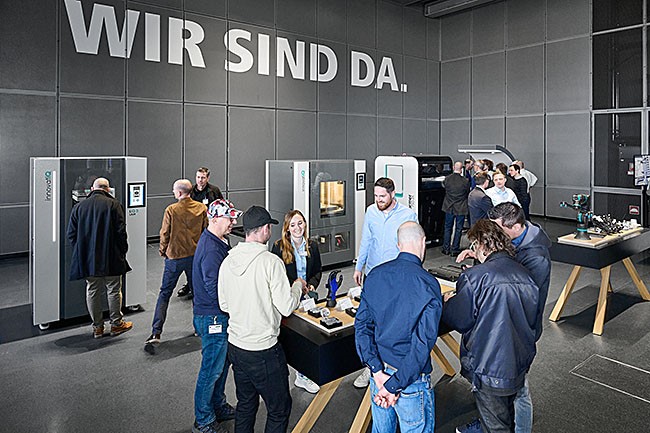
There will be two new faces in Arburg’s management team in the course of 2024: On 1 July 2024, Steffen Kroner will take charge of the Finance, Controlling, IT and Human Resource Management division, which was newly created at the beginning of the year. In addition, Gerhard Böhm, Managing Director Sales and After Sales, will retire in the course of the year, and his successor has already been appointed.

At the end of 2023, the management team underwent changes that led to the establishment of the new Finance, Controlling, IT and Human Resource Management division: Renate Keinath, who had been responsible for Human Resource Management as Managing Partner since 2005, retired from operational business at the end of the year and is now a member of the newly created Advisory Board. In addition, Jürgen Boll, Managing Director Finance, Controlling, IT, retired at the end of 2023.

On 1 July 2024, Steffen Kroner will take up his position as Managing Director Finance, Controlling, IT and Human Resource Management. He was most recently Commercial Director of the Liebherr Tower Crane Division and the Liebherr plant in Biberach and has international expertise, many years of management experience and extensive knowledge of business administration issues.

During the course of this year, Gerhard Böhm will take his well-deserved retirement as Managing Director Sales and After Sales. His successor has already been appointed and will take up the position of Managing Director on 1 October 2024 at the latest. Until then, Gerhard Böhm, who has been responsible for Sales and After Sales as Managing Director since 2016, will be busy familiarising his successor with the role.

https://www.arburg.com/en/

#ARBURG  #responsibility #Management #operational  #experience#modernplasticsgermany #ginujoseph #modernplastic #plasticindia  #plasticrecycling #sustainability #modernplasticsglobalnetwork #modernglobalnetwork #modernplasticsaward2024 #plasticmagazine #PlasticIndustry  #modernplasticsmiddleeast #indianmagazine #innovations #modernplasticsamerica #modernplasticsbangladesh #modernplasticsasia #modernplasticsitaly  


The Surface Treatment Of Medical Components With Mass Finishing & Shot Blasting

0

The Surface Treatment Of Medical Components With Mass Finishing & Shot Blasting 

In the demanding field of medical device manufacturing, the use of mass finishing and shot blasting technologies are critical in ensuring the production of components that adhere to the strictest standards of safety, reliability, and operational efficiency. These processes are not merely steps in the manufacturing sequence but are critical technologies that ensure each component achieves a level of surface integrity that is extremely important in medical applications. The necessity for such precision stems from the direct impact these components have on patient outcomes and device performance. 

The strategic application of these finishing technologies ensures that medical devices and medical components are not only manufactured to meet but often exceed the stringent regulatory requirements and quality standards set forth by governing bodies in the healthcare sector. The use of an array of versatile mass finishing and shot blasting processes indicates the medical industry’s commitment to excellence, underpinning the reliability and safety of medical devices that significantly impact patient care and treatment outcomes. This article will analyse what mass finishing and shot blasting can be used for when processing medical devices and components.

MASS FINISHING TECHNOLOGIES

The mass finishing process is a mechanical-chemical technology for the surface finishing of a wide range of parts and components made from metal, ceramic, or plastics. Whether tumbling, vibratory finishing, or centrifugal finishing, mass finishing machines are filled with various abrasive media that work through mechanical forces and chemical reactions to achieve the desired surface quality on components. This approach is particularly effective for refining small to medium-sized parts characterised by complex shapes and geometries. By ensuring uniform treatment across all surfaces, mass finishing techniques adeptly eliminate microscopic irregularities and potential bacterial harbourage sites, significantly reducing the risk of infection or discomfort upon patient contact. The process is a crucial manufacturing step ensuring that the high standard sof safety and efficacy required for medical devices is maintained, particularly for those that are implantable or come into direct contact with patients.

A range of different mass finishing processing methods can address the often quite complex finishing requirements for medical devices and components. These different processing methods are tailored to the respective stage of manufacturing and the material being processed, which when looking for example at orthopaedic implants may include stainless steel alloys, cobalt & chromium alloys, titanium, or plastic. However, when looking at prosthetic and orthotic devices, non-ferrous light metals and special plastic materials such as carbon fibre are typically used. It is because of this significant range of materials used in medical applications that the versatility of mass finishing is so important.

In most instances, medical devices will require a number of finishing operations. First of all, parts need to be deburred, which involves the removal or significant reduction of burrs on the outer contours of workpieces, within drilled holes, and across various types of openings. This is accomplished through the use of specialist mass finishing machinery and grinding media, which work in unison to efficiently eliminate rough edges and protrusions. 

Next, it is necessary to grind and smooth the surfaces. The process of eliminating surface imperfections from medical workpieces, which often result from various shaping or machining operations, is a critical step in ensuring the highest quality of the finished product. These imperfections, if left unaddressed, can significantly affect the performance and aesthetic appeal of the component or device. To counteract these detrimental effects, mass finishing is employed to not only remove these flaws but also to drastically reduce the surface roughness, refining the texture of the workpiece, and preparing it for any further enhancement processes. Grinding and smoothing are not only about rectifying errors, they lay the groundwork for more advanced finishing techniques such as dry polishing and anodizing, (which adds a durable, corrosion-resistant layer, and requires a uniformly smooth surface to ensure the coating adheres properly and performs as expected). 

Dry polishing through the use of mass finishing can achieve exceptionally high gloss finishes on workpieces without leaving behind any “micro scratches.” This is made possible through the use of polishing media that is specifically tailored to match the material of the workpiece being polished, which ensures that the abrasive action is both effective and gentle, preserving the integrity of the workpiece while elevating its aesthetic appeal. Dry polishing can produce Ra (Roughness Average) values of less than 0.02 micrometres or Rz (Average Roughness Depth) values of less than 0.15 micrometres, indicative of a surface that is virtually flawless. Options for high-gloss finishes also exist when parts need to have a cosmetically appealing appearance.

Other mass finishing processes that can be used to affect the surface finish of medical components include ball burnishing and vibro peening. Ball burnishing is once again used to smooth a workpiece’s surface, enhancing its appearance and mechanical properties, and involves the use of small, hard balls — typically made of steel or carbon — that roll over the surface of the workpiece under pressure. The pressure compresses the surface layers of the material, reducing surface roughness and imparting a high gloss finish. Ball burnishing can also work-harden the surface of the workpiece, improving its resistance to wear and fatigue, and is often used on metals to achieve a mirror-like finish without removing material from the workpiece, making it distinct from abrasive polishing techniques.

Finally, vibro peening is used to improve the fatigue resistance of metal components and subjects the workpiece to repetitive impacts from small media agitated by vibration. The impacts induce plastic deformation on the surface and near-surface layers of the material, introducing compressive residual stresses and work-hardening the surface. This treatment reduces the risk of crack initiation and propagation, significantly improving the workpiece’s fatigue life. 

SHOT BLASTING TECHNOLOGIES

Shot blasting stands out as a robust finishing method where abrasive particles are propelled at high velocities towards the surface of a component. It is a versatile process which is well suited to tasks ranging from surface cleaning and peening — which increases the material’s strength — to texturing surfaces to enhance the bonding of subsequent layers, such as paint or coatings. It is used where the need for pristine surface conditions to ensure optimal adherence and performance of coatings is paramount such as in the medical sector.

Shot blasting is critical not only for aesthetic improvements but also for functional enhancements of parts. In the medical device industry, it is employed to prepare surfaces of surgical tools and implants, ensuring they are free from contaminants and possess the necessary surface characteristics for safe and effective use. The widespread adoption of shot blasting across diverse medical applications underscores its significant role in enhancing the quality, safety, and performance of products by providing a meticulously prepared surface for further processing and finishing steps.

For medical device and medical component manufacturers, shot blasting can be used to achieve a variety of objectives. 

For example, it is a highly efficient way of rapidly removing residual sand and ceramic layers from workpieces post-casting, employing high-velocity steel or metallic pellets to clean and texture the surface for further finishing processes like painting or coating. This technique not only eliminates potential surface defects and weaknesses, but also enhances the workpiece’s structural integrity through surface compression, increasing its resistance to stress, fatigue, and corrosion. 

Shot blasting also effectively eradicates forging scale and oxide layers that accumulate on workpieces during forging and subsequent heat treatment operations, ensuring a clean and uniform surface, and with the right blast media all kinds of surface imperfections can be eliminated. Even burrs and flashes from die-casting operations can be removed fully automatically at low costs.

Shot blasting tends to leave a matt finish on shiny metallic surfaces, which is especially crucial for instruments and medical equipment used in operating rooms. This finish helps in preventing glare, thereby enhancing the usability and safety of these tools under the bright lights of an operating environment. Subtler and more precision controlled shot blasting techniques are usually employed for such medical instruments. 

Finally, the shot blasting process is perfect for surface texturing or roughening which significantly enhances the surface area of a workpiece, an essential preparatory step for both painting and gluing operations. This increase in surface area ensures that coatings and adhesives have more material to adhere to, resulting in a stronger, more durable bond. The specific roughness values imparted to the workpiece surface can vary widely, depending on the type of blast media employed during the texturing process. From fine sands to coarser grits, each type of media has the potential to create a unique surface profile, tailored to the requirements of the subsequent finishing operation. This customisable aspect of the texturing process allows for a high degree of control over the final appearance and functionality of the medical components in question, making it a critical step in the manufacturing process for ensuring overall quality and longevity of the final product.

SELECTING A FINISHING SUPPLIER

In the specialised domain of medical device production, the selection of a supplier for mass finishing and shot blasting technologies is a critical decision that impacts the quality, safety, and effectiveness of the finished products. For manufacturers, it’s imperative to partner with suppliers who not only possess advanced technological capabilities but also have a deep understanding of the industry’s requirements, a commitment to continuous innovation, and a proven track record of delivering superior results. 

Your chosen supplier should ideally have a long pedigree in the provision of finishing technologies, and a comprehensive technical ability to process a diverse array of materials and component geometries, facilitated by an extensive assortment of machines and abrasive media designed to meet the specific finishing needs of a range of medical devices.

A commitment to research and development plays a pivotal role in maintaining a market-leading position when it comes to producing mass finishing and shot blasting technologies, ensuring that solutions are not just current but also predictive of future industry needs. A supplier with such a demonstrable forward-thinking approach means the provision of efficient, cost-effective, repeatable finishing solutions vital when considering the stringent regulatory environment of the medical industry, where compliance with quality standards is non-negotiable and directly correlates with patient safety and product efficacy.

www.rosler.com

#rosler #manufacturing #requirements #techniques #technologies #equipment

#modernplasticsindia#indianplasticmagazine #modernplasticsaward #plasticnews #modernplasticsgermany #ginujoseph #modernplastic #plasticindia  #plasticrecycling #sustainability #modernplasticsglobalnetwork #modernglobalnetwork #modernplasticsaward2024 #plasticmagazine #PlasticIndustry  #modernplasticsmiddleeast #indianmagazine #innovations #modernplasticsamerica #modernplasticsbangladesh #modernplasticsasia #modernplasticsitaly

Pioneering Technologies for Plastics Compounding and Recycling

0

Pioneering Technologies for Plastics Compounding and Recycling

At this year’s Chinaplas (23-26 April 2024, National Exhibition and Convention Center (NECC), Hongqiao, Shanghai, PR China) Coperion will present key technologies for processing plastics at Booth F 106 in Hall 2.1. The centerpiece of the exhibits will be the STS 75 Mc PLUS twin screw extruder with its increased specific torque of 13.6 Nm/cm³ which allows the STS extruder to achieve up to 20% more throughput with markedly higher product quality. 

Together, Coperion and Herbold Meckesheim offer operators broad expertise in technology and process solutions for plastics recycling. Since their merger, both companies have continued to develop and optimally attune their technologies so that entire systems excel in operation with extremely high efficiency. At Chinaplas, Coperion and Herbold Meckesheim will display a virtual PET recycling installation. Visitors to the booth can peer inside key components of the recycling installation and see for themselves the process-technical details in each process step and the high efficiency of each component.

Other exhibits at Booth F106 in Hall 2.1 include the Coperion ZSK 26 Mc18 twin screw extruder with a C/S-LW-NT28 twin screw feeder from Colormax Systems, a Coperion K-Tron T35-QC quick change feeder shown with a 2415 vacuum receiver for refilling ingredients, and a K-ML-SFS-KT20 twin screw feeder. In addition, Coperion K-Tron will be introducing the ProRate PLUS line of gravimetric single and twin screw feeders to the Chinese market, showing a  PLUS-S feeder with refill. A CVH 550 high pressure rotary valve for granulates will also be on display. 

STS 75 Mc PLUS: Higher Throughput with Improved Compound Quality

For the STS 75, Coperion has raised the specific torque of the STS twin screw extruder from 11.3 Nm/cm³ to 13.6 Nm/cm³. The compounder thus achieves improved product quality and at the same time up to 20% higher throughput in every application. Critical to this level of performance, along with process-technical modifications, is optimization of the drive’s key components. The new STS 75 Mc PLUS extruder is equipped with a high-power motor and a gearbox designed specifically for the high torque. Proven high-performance materials for the screw shafts ensure full torque transmission from the gearbox to the screw elements. 

The higher fill level in the process section is crucial to the improved compound quality that the STS 75 Mc PLUS achieves. It reduces both shear stress and melt temperature and improves mixing behavior. The result is an extremely gentle product handling at high throughputs. The process section of the STS 75 Mc PLUS is equipped with heating cartridges that generate heat very energy-efficiently exactly where it is needed.

STS extruders combine the advantages of substantially standardized and thus more cost-effective machine construction incorporating Coperion’s technical expertise. In the continued development of the STS 75 Mc PLUS, Coperion has profited from the comprehensive experience gleaned from its high-end ZSK Mc18 extruders. The new STS 75 Mc PLUS’s throughput increase of up to 20% makes it a particularly economical solution. Material costs per kilo drop and return on investment is reached much more quickly. Coperion retained the proven Do😀i = 1.55 ratio of outer to inner screw diameter unchanged, thus ensuring secure scale-up to other STS model sizes.

Complete Plastics Recycling Plants from a Single Source

Coperion and Herbold Meckesheim realize plants for a wide variety of plastics recycling applications, excelling in their reliability and the high product quality they achieve. From mechanical processing – shredding, washing, separating, drying and agglomerating of plastics – to bulk material handling as well as feeding and extrusion all the way to compounding and pelletizing, such plants cover the entire plastics recycling process chain. 

Together, Coperion and Herbold Meckesheim offer solutions for mechanical recycling of post-industrial and post-consumer waste, chemical recycling, solvent-based recycling, and deodorization, tailored to the type of plastic being recycled. 

Coperion K-Tron Feeders for Maximum Flexibility

Coperion will demonstrate its expertise in all feeding tasks at this year’s Chinaplas with its high-accuracy Coperion K-Tron K2-ML-D5-T35 Quick Change feeder equipped with ActiFlow smart bulk solid activator and EPC (Electronic Pressure Compensation). The feeder is equipped with a 2415 vacuum receiver for refill. The T35/S60 quick change feeder (QC) on display is designed for applications requiring quick changeover of materials and convenience of fast cleaning. The QC feeder allows for fast removal of the entire feeding module with screws in place for replacement with a second unit. Twin and single screw feeding modules are available. 

The ActiFlow smart bulk solid activator offers an innovative method to reliably prevent bridging and rat-holing of cohesive bulk materials in stainless steel hoppers without internal hopper agitation. The smart flow aid applies gentle vibrations to the hopper wall, hereby carefully activating the contained material with the optimal amplitude and frequency, automatically adjusted by the controller based on bulk material flow. It is designed specifically to work with Coperion K-Tron’s line of gravimetric loss-in-weight feeders. 

The 2400 Series vacuum receivers provide a high-capacity sequencing system primarily used where larger conveying rates or long distances are required, in applications with one or multiple destinations. They are designed to high quality standards for pneumatically conveying powder, pellets and granular materials for most industries. Conveying rates range from 327 to 6,804 kg/h (720 to 15,000 lb/h). The 2415 pellet receiver will be on display at Chinaplas 2024.

Additionally, Coperion will display the preconfigured size S ProRate PLUS single screw feeder, equipped with a 2410 receiver for refill. This continuous gravimetric feeder is very robust and stands out for its good price-to-performance ratio. The ProRate PLUS line was designed as an especially economical solution for reliably feeding free-flowing bulk materials. Coperion has expanded the ProRate PLUS feeder line with a PLUS-MT twin screw feeder especially for feeding powders.

http://www.coperion.com/

#Coperion #economical #technologies #mechanical #operation #modernplasticsindia #indianplasticmagazine #modernplasticsaward #plasticnews #modernplasticsgermany #ginujoseph #modernplastic #plasticindia  #plasticrecycling #sustainability #modernplasticsglobalnetwork #modernglobalnetwork #modernplasticsaward2024 #plasticmagazine #PlasticIndustry  #modernplasticsmiddleeast #indianmagazine #innovations #modernplasticsamerica #modernplasticsbangladesh #modernplasticsasia #modernplasticsitaly 
Project STOP Marks Further Major Milestones in 2023 and Makes Significant Progress in the Project STOP Banyuwangi Hijau Expansion Program

0

Project STOP Marks Further Major Milestones in 2023 and Makes Significant Progress in the Project STOP Banyuwangi Hijau Expansion Program

  • Project STOP has significantly impacted three Indonesian locations to date, including the implementation launch of the scale-up program Project STOP Banyuwangi Hijau.
  • As a co-founder of Project STOP, Borealis commits the full funding of the next phase of Project STOP Banyuwangi Hijau.
  • From inception until the end of 2023, Project STOP has provided waste collection to almost 400,000 people, created close to 300 full-time jobs in the waste sector, and collected more than 60,000 metric tons of waste (of which nearly 9,000 metric tons of plastic).
  • City programs in Pasuruan and Jembrana were successfully handed over to local units of governance.
  • In September 2023, Project STOP opened a new material recovery facility (MRF) with a daily processing capacity of 84 metric tons of waste per shift. This facility, located in Songgon Municipality, Banyuwangi, East Java, has started collecting and sorting waste from local households and is already providing access to waste services to more than 13,500 individuals in 12 villages.

Reflecting on the year 2023, Project STOP, co-founded by Borealis and Systemiq, has already marked major milestones and made significant impacts. From the inception of Project STOP to the end of December 2023, around 400,000 individuals gained access to comprehensive waste services through Project STOP. Many of these individuals are now using formal waste collection services for the first time, which is an important step in improving community well-being and environmental sustainability.

Since its inception in 2017, Project STOP, hand-in-hand with its governmental and non-governmental partners, has created almost 300 full-time jobs across all Project STOP locations. These jobs, which support the local economies, vary from waste collection and material sorting to waste system management and administrative roles.

Furthermore, more than 60,000 metric tons of waste, including nearly 9,000 metric tons of plastic, have been successfully collected through Project STOP as of December 2023. This not only stops pollution from entering the environment, but it also shows the program’s direct, tangible contributions to responsible waste management.

Project STOP’s ‘system enabler’ approach entails building the waste management system together with governments at the local level over several years, then stepping back so that the local units of governance can fully operate their own systems. In 2023, Project STOP handed over operations in its second and third cities – Pasuruan and Jembrana – after nearly four years operating on the ground in each location. While Project STOP continues to provide light-touch support to past locations on an as-needed basis, these handovers closed the first phase of Project STOP’s work, which focused on creating programs at a sub-regency level.

The Project STOP scale-up program, Project STOP Banyuwangi Hijau, in the Banyuwangi Regency of East Java, is focusing on the full regency level and shifted into implementation mode by opening a large-scale materials recovery facility (MRF) and launching initial service rollouts. Only three months after its inauguration in September 2023, the facility is already providing access to waste services to more than 13,500 individuals in 12 villages.

The program has built upon a long-standing strategic partnership with the Banyuwangi government, a collaboration highlighted by the direct backing of Ipuk Fiestiandani, the Banyuwangi Regent. She has emphasized the ongoing global waste issue and stressed the imperative need for cooperation among stakeholders to prevent environmental waste leakage. Ipuk has expressed Banyuwangi Regency’s commitment to Project STOP Banyuwangi Hijau, striving for tangible improvements in both environmental health and the well-being of Banyuwangi residents.

“We are very proud to further extend our commitment to Project STOP, striving to provide Indonesia’s first Regency-wide waste management system, enabling access to sustainable waste collection to all residents in Banyuwangi—fully true to our purpose of reinventing essentials for sustainable living,” says Thomas Gangl, Borealis CEO. “Borealis will fully finance the construction of a second material recovery facility under the Project STOP Banyuwangi Hijau expansion and the roll-out of waste services to an additional 250,000 people in the region,” he further adds.

The success of Project STOP can be largely attributed to its meaningful collaborations and close relationships with various Indonesian government bodies, including the Coordinating Ministry for Maritime and Investment Affairs (CMMAI), the National Ministry of Environment and Forestry (MoEF) and the Banyuwangi regency government.

Ultimately, the Project STOP partners are aiming to provide waste collection services to 2 million people, creating over 1,000 jobs and collecting 230,000 metric tons of waste annually, including 25,000 metric tons of plastic.

As noted by Ben Dixon, Partner, Systemiq, “These achievements were only possible through the work of our visionary partners, notably including the government of Indonesia and our strategic partners from across the public, private and nonprofit sectors. We are proud of Project STOP’s accomplishments to date and hope that our efforts can help inspire ever broadening impacts in the future.”

https://www.borealisgroup.com/ 

#borealis # significantly #achievements #reinventing #environmental #Project #modernplasticsindia #indianplasticmagazine #modernplasticsaward #plasticnews #modernplasticsgermany #ginujoseph #modernplastic #plasticindia  #plasticrecycling #sustainability #modernplasticsglobalnetwork #modernglobalnetwork #modernplasticsaward2024 #plasticmagazine #PlasticIndustry  #modernplasticsmiddleeast #indianmagazine #innovations #modernplasticsamerica #modernplasticsbangladesh #modernplasticsasia #modernplasticsitaly

Rajoo Engineers Shapes the Future of Plastics and Packaging at Plastfocus 2024

0

Rajoo Engineers Shapes the Future of Plastics and Packaging at Plastfocus 2024

 PlastFocus 2024, witnessed a remarkable display of innovation and excellence as Rajoo Engineers Ltd., a trailblazer in plastics and packaging technology, unveiled its latest advancements. With a commitment to pioneering new possibilities towards sustainability while upholding the highest standards of quality, Rajoo set a new benchmark for the industry at this prestigious platform.

RajooEng_Nonafoil- Nine Layer Blown Film Extrusion Line displayed at Plastfocus-2024

At the heart of the exhibit was the much-anticipated launch of India’s First Nonafoil – Nine layer Blown Film Extrusion line, a groundbreaking achievement in the realm of flexible packaging. This cutting-edge technology, with its advanced capabilities, redefines industry standards, enabling producers to achieve unprecedented levels of film performance and recyclability. Running at an impressive 350kg/hr, this line showcased high barrier recyclable film solutions for various applications, from food packaging to thermoformable film, setting a new precedent for excellence in the field. Additionally, the launch of this NONA FOIL 9 Layer co-extruded blown film line demonstrated Rajoo’s commitment to circular economy principles, offering films with less than 5% EVOH while maintaining essential oxygen barrier properties, thus enabling recyclability without compromising barrier properties.

Khushboo Doshi, Managing Director of Rajoo Engineers Ltd, expressed the company’s ethos, stating, “At Rajoo, we are driven by the pursuit of excellence. Our solutions not only elevate performance but also redefine sustainability standards, ensuring a better future for generations to come.”

RajooEng_Lamina rPET – Sheet Extrusion line displayed at Plastfocus-2024

In line with its dedication to sustainability, Rajoo unveiled its rPET sheet extrusion line, which transforms PET bottle flakes into high-quality sheets, effectively closing the loop in plastic production processes. With outputs reaching up to 1400kg/hr, this initiative underscores Rajoo’s commitment to leading the charge in promoting recycled plastics and sustainable practices

Furthermore, attendees experienced Rajoo’s expertise in compounding, with state-of-the-art PVC compounds engineered to enhance a wide range of applications, from medical tubing to electrical cables. By leveraging the latest technologies, Rajoo Engineers ensures unparalleled performance while minimizing environmental impact

PlastFocus 2024 was a testament to Rajoo’s unwavering dedication to excellence and sustainability.

www.rajoo.com

#PlastFocus2024#RajooEngineers#modernplasticsitaly#modernplasticsaward #plasticnews#modernplasticsgermany#ginujoseph#modernplastic#plasticindia #plasticrecycling #sustainability#modernplasticsglobalnetwork#modernglobalnetwork #modernplasticsaward2024#plasticmagazine#PlasticIndustry #modernplasticsmiddleeast#indianmagazine#modernplasticsamerica #modernplasticsbangladesh#modernplasticsasia #modernplasticsitaly

Syensqo at Semicon China 2024 With A Complete Portfolio of Polymer Solutions Advancing Chip Performance

0

Syensqo at Semicon China 2024 With A Complete Portfolio of Polymer Solutions Advancing Chip Performance

Syensqo, previously part of Solvay Group, will demonstrate its advanced materials and services across all process needs to the semiconductor manufacturing industry at Semicon China 2024. The company portfolio includes a range of solutions that meet current needs for long-term reliability and efficiency in high-performance semiconductor applications, while also paving the way for innovative and sustainable technologies for the future.

Syensqo understands the requirements of China’s semiconductor industry and builds on key investments to support the market,” states Andrew Lau, Senior Executive Vice President of Electronics & Industrial at Syensqo Speciality Polymers Global Business Unit (GBU). “Our wide range of polymers support our customers in their performance targets and in reducing the carbon footprint of critical components, fab infrastructure, process equipment and consumables. Together with our partners in this industry, we are actively working towards carbon neutrality while driving the progress of advanced semiconductor technologies.”

As computing power demand surges, the semiconductor industry is playing a pivotal role in delivering a sustainable, energy efficient future. This requires smarter, more efficient chips to lower energy use and shift towards sustainable manufacturing without compromising on yield. Concurrently, the industry continues to push the boundaries of technology to enhance material properties for improved chemical and plasma resistance, purity, and temperature performance. Syensqo offers specialty polymers for the semiconductors industry that cover all stages of manufacturing from FEOL (front-end-of-line) to BEOL (back-end-of-line), including duct coating, filtration, piping and tubing, wafer handling, lithography and the fab process, as well as assembly, testing and packaging. They have been proven in advanced node designs and can be found in virtually every manufacturing step, such as cleaning, chemical vapor deposition (CVD), dry and wet etching and chemical mechanical polishing (CMP).

Syensqo at Semicon China 2024 with a complete portfolio of polymer solutions advancing chip performance.

The portfolio spans polysulfones and semi-crystalline specialties to fluoroelastomers, all engineered to provide outstanding purity, long-lasting chemical stability, optimized high-temperature resistance and plasma resistance. At the same time, Syensqo continues to invest in responsible manufacturing, has driven the transition to renewable energy at its manufacturing plants, and is creating many renewable and circular material solutions, including several innovative material developments based on recycled and bio-sourced feedstock. This is complemented by a wide range of high-purity, high-quality and consistent process chemicals used primarily in the cleaning and etching stages of chip production.

Syensqo’s research and development in semiconductor technologies is focused on providing sustainable high-performance solutions for next-generation processes in line with the semiconductor manufacturing roadmap. These advanced activities are backed by a state-of-the-art application lab in Shanghai, which is fully equipped to address particular customer specifications and meet local market needs with quick response delivering on the company’s mission to solve the unsolvable in close collaboration with industry partners to create breakthroughs that advance humanity.

www.syensqo.com

#modernplasticsindia #indianplasticmagazine #modernplasticsaward #plasticnews  #modernplasticsgermany#ginujoseph#modernplastic#plasticindia#plasticrecycling #modernplasticsglobalnetwork#modernglobalnetwork#modernplasticsaward2023 #plasticmagazine#PlasticIndustry#modernplasticsmiddleeast#indianmagazine #modernplasticsamerica#modernplasticsbangladesh#modeRnplasticsasia #modernplasticsitaly#Syensqo