Sunday, July 5, 2026
spot_img
Home Blog Page 118

INEOS Inovyn Publishes New ESG Report – Demonstrating Sustainability Leadership Through Innovation

INEOS Inovyn Publishes New ESG Report – Demonstrating Sustainability Leadership Through Innovation

The report highlights key innovations supporting our transition to a green economy, including circular recycling solutions, development of production process electrification and the increased use of decarbonised energy.
INEOS Inovyn progresses its roadmap deployment to reach 33% CO2 reduction in 2030 and carbon neutrality by 2050.
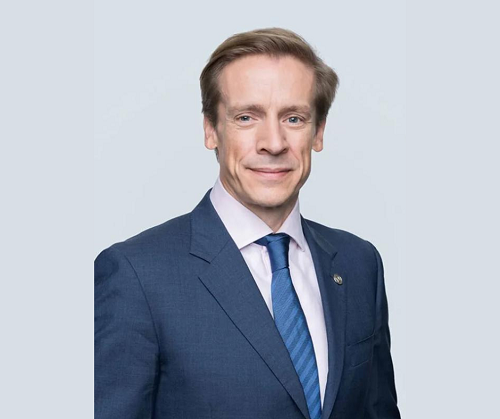
• “INEOS Inovyn’s ambition is to provide leadership through sustainable innovation. By harnessing our expertise and technologies, we will meet evolving customer needs and deliver products that are essential to modern life,” said Geir Tuft, CEO of INEOS Inovyn.

INEOS Inovyn has today published its latest ESG report which highlights how its business is progressing key projects to reach 33% CO2 reduction in 2030, whilst remaining profitable and ahead of regulation.
As Europe’s leading producer of Chlor-Vinyls, INEOS Inovyn is one of the top three companies worldwide, providing a range of essential products that offer the lowest carbon footprint of their kind, with Environmental Product Declaration (EPD) to certify their credentials. It is also the largest operator of electrolysis technology in Europe, producing 60,000 tonnes of low-carbon hydrogen annually.
As both a user and producer of hydrogen, INEOS Inovyn is in a unique position at the heart of Europe’s hydrogen transformation. INEOS Invoyn continues to grow and strengthen its hydrogen business through key strategic projects.


As hydrogen demand progressively increases we will scale up our developments, while recognising the need for clear legislation to nurture this market and investment.
The development of the electrification of VCM monomer cracking with project Electra represents a key innovative step for our roadmap.
“We embrace our responsibility as European market leader to play an active role in the journey towards a Net Zero economy, through collaborating across our industry, reducing INEOS Inovyn’s operational footprint and delivering products that will help us reach a sustainable future,” added Geir Tuft.
During 2022, we strengthened our range of bio-sourced PVC products, including BIOVYNTM, which delivers greenhouse gas savings of over 90% compared to conventional PVC and is now being used across a wide range of applications.

Moreover, INEOS Inovyn’s Project Circle program is pioneering advanced recycling technologies for end-of-life PVC products, with an ambition to have industrial advanced recycling units on stream by 2030 and bring circular product offers to market.
The report also highlights an outstanding sustainable safety performance achieved by a continual focus on health and safety of INEOS Inovyn’s workforce and contractors as its highest priority.
Recognising our work in 2022, we received Gold status for the 5th consecutive year from EcoVadis, acknowledging our systematic focus on increasing INEOS Inovyn’s performance year on year. EcoVadis is a leading independent assessors of environmental and labour practices, ethics and supplier sustainability.

www.ineos.com

#modernplasticsindia #indianplasticmagazine #modernplasticsaward #plasticnews #modernplasticsgermany #ginujoseph #modernplastic #plasticindia  #plasticrecycling #sustainability #modernplasticsglobalnetwork #modernglobalnetwork #modernplasticsaward2023 #plasticmagazine #PlasticIndustry  #modernplasticsmiddleeast #indianmagazine #innovations #modernplasticsamerica #modernplasticsbangladesh #modernplasticsasia #modernplasticsitaly  #cortecadvertising

12th Edition of AIPMA’s Plastivision India Concludes Registers 234090 Visitors Surpasses Previous Records

12th Edition of AIPMA’s Plastivision India Concludes Registers 234090 Visitors Surpasses Previous Records

The 12th edition of ‘Plastivision India’ by All India Plastics Manufacturers’ Association (AIPMA), concluded on 11th December 2023 With great success and a record 2,34,090 visitors, 1280 exhibitors—71 of them were foreign exhibitors from 20 different countries, including China, Malaysia, South Korea, Germany, and Malaysia—displayed cutting-edge global technology and goods. In addition to creating over 1,00,000 employments, the event enabled deals worth 5000 crores in business. With 101 buyers from 26 countries, Plastivision India 2023 experienced reverse Buyer and Seller interactions for the first time. Big Indian companies including Reliance, HPCL, IOCL, and JSW Group, among many others, honoured Plastivision India 2023.

Mr. Manish Dedhia, President-All India Plastics Manufacturers Association (AIPMA)

Speaking on the glorious history of Plastivision India, Mr. Manish Dedhia, President-All India Plastics Manufacturers Association (AIPMA) said, “Over the past three decades and still counting, Plastivision India served as the largest platform to bring together industry stalwarts, entrepreneurs, customers, and enthusiasts alike; helping galvanizse growth opportunities both domestically and across key international markets for the Indian plastics industry. In this journey, AIPMA has served as the key catalysing element with its unceasing support and has in fact been at the forefront of mitigating challenges faced by the Indian plastics industry. Against this backdrop, it would only be fair to dedicate the success of Plastivision India 2023 to AIPMA’s members and 4 million+ collaborator community.”

Mr. Arvind Mehta, Chairman, NAB and Governing Council,

Mr. Arvind Mehta, Chairman, NAB and Governing Council, Plastivision India 2023 said, “In addition to sporting 10 distinct exhibitor categories to facilitate greater business opportunities for participating members and businesses, the 12th edition of Plastivision India also featured a reverse buyer seller meet that saw international buyers interacting with prospective Indian firms including MSME’s for potential collaborations. Plastivision India 2023 also unlocked new business and networking possibilities for plastic processors, mould manufacturers, packaging companies, manufacturers, budding entrepreneurs, industry, and academic professionals alike.” 

Mr. Harpal Singh, Chairman NEC- Plastivision India

Elaborating on the importance of the domestic plastics industry, Mr. Harpal Singh, Chairman NEC- Plastivision India elucidated, “The Indian plastic industry is one of the leading sectors in our nation’s economy and has undoubtedly made substantial progress. Not only does it employ more than 4 million people in the country, it also remains largely driven by small and medium enterprises that account for nearly 90% of the overall manufactured output. The Government of India has been supporting sustainable manufacturing through a slew of initiatives, Indian plastics manufacturers are expected to more than triple current economic activity to surpass the ₹10 lakh crore (US$ 126 billion) before the end of the current decade. In this context, promoting innovative technologies and sustainable processes will be critical and Plastivision India remains committed to fostering growth and learning opportunities that will support the vision of making India the global plastic manufacturing hub in the future.”

Dr. Asutosh Gor, Co-Chairman Plastivision India

Echoing the same sentiment, Dr. Asutosh Gor, Co-Chairman Plastivision India further elaborated, “While the world veers towards promoting sustainable materials, entrepreneurs across the world are innovating new technologies and products that are upping the sustainability quotient of the plastics industry as a whole. In the Indian context, it is important that young technical talent and business minds alike, learn about the latest inventions and advances, leveraging frugal engineering concepts to produce world-class products with a better value proposition.”

Mr. Chandrakant Turakhia, Co-Chairman NEC, Plastivision India

Remarking on the importance of Plastivision India from an industry and networking standpoint, Mr. Chandrakant Turakhia, Co-Chairman NEC, Plastivision India added, “While there is no doubt about the future prospects of the Indian plastics industry, it is vital to stoke business, learning and networking opportunities amongst the industry constituents. This involves bringing together large Indian businesses, MSMEs as well as global leaders across different plastics segment and facilitating extensive interactions amongst them. PlastiVision India was immensely successful at achieving the objective of putting India on the global map and will now act as a benchmark for future editions to emulate.”

AIPMA’s Plastivision India is supported by the Ministry of Chemicals & Fertilizers, Department of Chemicals & Petrochemicals and the Ministry of Micro, Small & Medium Enterprises, with the event also holding the distinction of being the only trade fair exhibition from the plastic industry to be approved by UFI, the premier Paris-based global association and authority of the Exhibition industry. Moreover, apart from being the largest non-profit apex body that has been championing growth initiatives for the Indian plastics industry, AIPMA also organizes several national as well as international seminars, lectures, meetings, conferences, buyer & seller meetings, and training programs periodically.

About AIPMA:

The All India Plastics Manufacturers’ Association (AIPMA) is a leading trade association that represents the plastics industry in India. The association’s vision is to set up a Centre of Excellence to promote high-quality knowledge and industrial services for the rapid growth of the plastics and its application industry. AIPMA has been working towards the development of the plastics industry in India for several decades and has been instrumental in promoting the use of plastics in various sector.

About Plastivision India 2023:

PLASTIVISION INDIA is organized by the All India Plastic Manufacturers’ Association (AIPMA), the largest non-profit apex body working towards welfare of the plastic industry. The event has a glorious history that dates back to 1992. Its huge success has made it rank among the top 5 plastics industry events held globally. PLASTIVISION INDIA is the only trade fair exhibition from the plastic industry approved by UFI (the premier Paris-based exhibition authority)

www.plastivision.org  /  www.aipma.net

#modernplasticsindia #indianplasticmagazine #modernplasticsaward #plasticnews #modernplasticsgermany #ginujoseph #modernplastic #plasticindia  #plasticrecycling #sustainability #modernplasticsglobalnetwork #modernglobalnetwork #modernplasticsaward2023 #plasticmagazine #PlasticIndustry  #modernplasticsmiddleeast #indianmagazine #innovations #modernplasticsamerica #modernplasticsbangladesh #modernplasticsasia #modernplasticsitaly

An Exclusive Interview with Mr. Justin Wood Alliance to End Plastic Waste

An Exclusive Interview with Mr. Justin Wood Alliance to End Plastic Waste

1.Your alliance has worked across the globe in improving plastic waste management. With a focus on India, what have been the key challenges and how successful have your projects been in India? 

Given India’s vast size and regional disparities, waste management systems vary considerably across its 28 States and 8 Union Territories. While some regions exhibit robust waste management practices, others need help with rudimentary or non-existent systems for handling plastic waste. Studies indicate that India loses approximately $10 billion annually in plastic material value, primarily due to inadequate collection methods and environmental leakage. Moreover, the country’s per capita plastic consumption, at 14 kg per year, is considerably lower than the global average of 30 kg per person per year. As India’s economy grows and its middle-class population expands, the plastic waste issue becomes increasingly urgent.
While challenges persist, our projects in India have made significant strides towards improving plastic waste management and fostering circularity.
In India, we have nine projects in various stages. Our strategy in India has three parts. The first is to work on developing integrated waste management systems using a public-private partnership model (PPP Model). We collaborate with urban local bodies, inter-governmental organisations, academia, non-government organisations, civil society, and the private sector for collective action against plastic waste.
For instance, our project in Haridwar demonstrates the importance of responsible source segregation and effective public-private collaboration. The project centres on encouraging waste separation at the household level, as well as building a Material Recovery Facility (MRF) to process waste into different fractions, which is such a critical – and often missing – step to enable recycling.  Through the project, we are enhancing the effectiveness and efficiency of small and medium-sized enterprises (SMEs) working in collection and recycling, improving the livelihoods and working conditions of informal workers, and also addressing the issue of plastic waste management. This project has succeeded in boosting source segregation of household waste, with participation levels rising from virtually zero to approximately 85% in specific wards.

Secondly, we are working with SMEs in the waste management and recycling sectors by providing funds to de-risk and scale new operating models for recycling, including digital solutions. Our goal is also to empower local SMEs involved in waste management by providing training, resources, and technology to improve their operations. Our work involves testing and implementing various waste management models, such as source segregation, to optimise collection and recycling processes. For instance, the Alliance’s project “ParikraM” in association with our partner Recity, aims to significantly improve the efficiency of waste management by building not only physical infrastructure but also a digital platform to optimise operations and enable the tracing of materials across the supply chain. The first pilot MRF was launched in November 2022 in Mathura-Vrindavan in association with the Mathura-Vrindavan Municipality.

Thirdly, we endeavour to support a just transition for the informal sector and promote community education and engagement. For example, the Alliance is supporting the “Let’s Transform” project of SAAHAS Zero Waste which aims to support the informal waste sector, including waste aggregators and scrap dealers. The goal is to enable an ethical supply chain for maximum resource recovery of low-value plastic from the environment while providing transparent data regarding the plastic waste collected on a digital traceability tool – this enables the waste pickers to improve the level and reliability of their incomes. In its first phase, the project has benefited 40+ waste workers in 4 cities and has diverted more than 3,700 tonnes of plastic waste from landfills.
Similarly, our Changemakers project has made important strides in empowering and educating school students in India, particularly in Kolkata and the Sundarbans. Through the project, school children were taught about responsible plastic waste management and environmental sustainability. Just as important as education, the project encouraged students to actively participate in clean-up drives, awareness rallies, dialogues, workshops, and educational campaigns in urban and rural areas.
Our projects in India have shown success in addressing the key challenges, forging partnerships, implementing innovative solutions, and positively impacting waste reduction and circularity.

2.AEPW aims at engaging policy makers and regulators. What stage has India reached and how has the progress been?  
India’s rapid urbanisation is projected to boost the urban population to around 600 million by 2030, leading to a three-fold increase in waste generation, soaring from 62 million tonnes to 165 million tonnes. The demand for plastic is driven by its affordability and durability – however, mismanagement of plastic waste poses tough environmental challenges. Immediate and decisive action is crucial, with a strong emphasis on sustainable waste management, intensified recycling initiatives, and new approaches to single-use plastics.
In India, high-value plastics like PET are relatively well-collected, but low-value plastics, such as multi-layer packaging, still need to be addressed. Approximately 40% of plastic waste in India still goes uncollected, primarily due to the unfavourable economics of collecting low-value plastics. Introducing extended producer responsibility (EPR) regulations in India is expected to significantly enhance the economics of waste collection and contribute to a higher collection rate.
Developing solutions to tackle this intricate challenge necessitates comprehensive collaboration and joint efforts from government, businesses, civil society, financial institutions, and academia on a global, national, and local scale. Our initiatives prioritise social inclusion and capacity building by engaging local communities, waste pickers, and recyclers. We aim to empower individuals and contribute to sustainable waste management practices by providing training, support, and livelihood opportunities.
Fortunately, India’s policy landscape aligns with our mission and is supportive of driving significant improvements. The EPR policy and the work in Phase II of the Swachh Bharat mission prove that plastic waste management is a high priority for Indian policymakers.

3.How do you foresee developments in the near future in a country like India where recycling is an evolving yet fast growing concept? 
First, it is essential to acknowledge that there is no singular solution to the plastic waste challenge. It will require many ideas and multiple improvements all working together. Our focus is therefore multi-faceted, working on collection, sorting, recycling, product design, awareness and behaviour change and much else.
We believe that efforts should be directed towards building a circular economy, regardless of the material involved, be it plastic, aluminium, paper, glass, or any other valuable material. Retaining the value within the system through recycling is vital. The Alliance emphasises on the importance of waste management as it is an area that often needs more political attention and more resources. Closing the gap in waste management is a crucial aspect of achieving circularity, as the availability of more recycled materials reduces the need for new resources.  The Alliance’s projects in India currently concentrate on creating high-value, ethically-sourced and digitally-traceable recyclates.
In India, we are seeing positive developments ranging from the revision of the Plastic Waste Management Rules 2022, to the improvement of sustainable manufacturing and the Extended Producer Responsibility law, which mandates using recycled content in packaging. The government also increasingly focuses on startups and ventures promoting circular economy principles. We foresee significant developments in India’s recycling landscape, driven by increased waste management efforts, designing for circularity, resource efficiency, and the adoption of refill models.
These developments will help foster a greater collaboration between public and private players, civil society, policymakers and waste workers to bring about a positive change in the country.

4.The world is moving towards lesser use of plastics through a ban on single use plastics, and thereby fewer generation of scrap, but encourage recycling. How workable as a solution to plastic waste is the use of biodegradable and compostable material?  
There is no silver bullet to the plastic waste issue – especially, if we see it in the broader context of protecting the environment and sustainability.  While bans may help address parts of the plastic waste problem, there may be unintended consequences. As such, any possible trade-offs and all consequences of such policies must be well-analysed and understood. It depends on a wide array of criteria and the local context if alternative materials are, in fact, more sustainable. For example, does the alternative have a lower or higher carbon impact? Could it disrupt food supply chains? Can existing waste management systems handle new materials? Issues such as these must be fully understood before new solutions are implemented.
We believe that addressing the issue will require a wider range of solutions, such as

  • Reducing the unnecessary use of plastic materials.
  • Substituting materials only if the substitutions are not more harmful to the environment.
  • Improving design for reuse and recyclability.
  • Enabling collection, sorting and recycling.

Since plastic waste management is a complex issue, the Alliance engages with various stakeholders, whether they are state governments, municipalities, local NGOs and industry experts, to develop solutions, discuss strategies and develop a cohesive approach to address the plastic waste pollution issue. We believe in working towards effective solutions that address unique challenges and advance greater circularity. We are working to create these models that will have a long-term positive impact and bring about a meaningful difference for different communities across the globe.

endplasticwaste.org

#interview #Q&A #modernplasticsindia #indianplasticmagazine #modernplasticsaward #plasticnews #modernplasticsgermany #ginujoseph #modernplastic #plasticindia  #plasticrecycling #sustainability #modernplasticsglobalnetwork #modernglobalnetwork #modernplasticsaward2023 #plasticmagazine #PlasticIndustry  #modernplasticsmiddleeast #indianmagazine #innovations #modernplasticsamerica #modernplasticsbangladesh #modernplasticsasia #modernplasticsitaly

Thermoplastics in Aircraft Construction – Less Weight, More Future

Thermoplastics in Aircraft Construction – Less Weight, More Future

Dr Fischer, what challenges is aviation currently facing? To what extent do you address them in the Large Passenger Aircraft project?  Dr.-Ing. Frederic Fischer: Aviation is facing the urgent task of becoming more climate-friendly and sustainable. For decades, we relied on aluminium as the main material. But in today’s world, with its increased focus oncz and resource efficiency, this is no longer enough. The Large Passenger Aircraft project aims to reduce fuselage weight by 10 % and running costs by 20 %, which will revolutionise aviation. In the project, you developed a fuselage component. What is it made of?

What are its special features? 
Fischer: Our multi-function fuselage demonstrator (MFFD) is made of a special plastic: carbon fibre-reinforced thermoplastic (LM_PAEK). Compared to aluminium, this material is lighter and also has the ability to be reshaped when heat is applied again. This makes repairs and recycling In-situ skin taping.
What impact does the use of CFRP have on sustainability compared to aluminium?
Fischer: CFRP offers numerous advantages over aluminium. Not only is it lighter and thus more fuel-efficient, but it is also recyclable. This leads to less waste and reduced energy consumption over the life cycle of the aircraft.You have redeveloped some of the technologies and tools used to manufacture the MFFD. To what extent was this necessary and what were they in detail?
Fischer: Our main motivation was to make aviation more.  Fischer: Our main motivation was to make aviation more sustainable. To achieve this, we had to make the transition from aluminium structures to carbon fibre-reinforced thermoplastics in aircraft production. This transition also required the development of new manufacturing technologies. The three core innovations
Laser-based in-situ fibre deposition: Here we use a robot that precisely heats material strips by means of a laser and deposits them in layers. This technique minimises material waste.
Continuous ultrasonic welding: Instead of riveting, we use this method to connect the longitudinal reinforcements, the so-called stringers, to the outer skin.
Electrical resistance welding: We use this method to weld the transverse reinforcements, the so-called formers, to the skin. To do this, a welding element in the joining zone made of carbon fibre is exposed to electricity, which heats it up and melts the components. By using these technologies, we can fully exploit the advantages of the new materials and significantly reduce the production effort.
What were the individual production steps for the MFFD?
Fischer: The production took place in several specific steps:
Fibre deposition: A ceiling-mounted robot used a laser to heat strips of material and lay them down in layers. This formed a laminate of fibre reinforced plastics.
Reinforcement of the outer skin: The next step was to reinforce the finished outer skin with the continuous stringers. They were attached by means of the newly developed ultrasonic welding. A robot with aprecise path correction was used for this to effectively join the stringers.
Application of the transverse reinforcements: Following this, the transverse reinforcements, our formers, were added by electric resistance welding. Final connection: Finally, the longitudinal and transverse reinforcements were welded together. Due to the confined working space, we combined a standard robot with a smaller lightweight robot to ensure precise welding of the fasteners.

MFFD component before transport

What advantages do these new manufacturing processes bring over conventional methods in terms of production costs and sustainability?
Fischer: Our new manufacturing processes reduce production time by up to 40 %, which brings significant cost savings. Since we have less material waste and can do without the autoclave process, we are also more resource-efficient. Overall, these processes increase both the economic efficiency and sustainability of production..
What happens now with the MFFD shell?
Fischer: After successful completion, the MFFD shell was delivered to Premium Aerotec, where the final machining took place. It will now be transported to the Fraunhofer Institute in Stade for further processing. Finally, Airbus will validate the technologies in Hamburg. These are exciting developments and we look forward to driving progress in this area.

theconstructor.org

#modernplasticsaward #plasticnews #modernplasticsgermany #ginujoseph #modernplastic #plasticindia  #plasticrecycling #sustainability #modernplasticsglobalnetwork #modernglobalnetwork #modernplasticsaward2023 #plasticmagazine #PlasticIndustry  #modernplasticsmiddleeast #indianmagazine #innovations #modernplasticsamerica #modernplasticsbangladesh #modernplasticsasia #modernplasticsitaly


Archroma Inspires Sportswear Designers of the Future at the ISPO Academy Masterclass

Archroma Inspires Sportswear Designers of the Future at the ISPO Academy Masterclass

Archroma, a global leader in specialty chemicals towards sustainable solutions, is again partnering with ISPO Academy to inspire promising young design talents in a four-day Masterclass held alongside ISPO Munich 2023 to explore this year’s theme, “CIRCULARITY – Create | Adapt | Revive.”
ISPO Munich is the world’s leading trade fair for the sports industry. It is expecting to welcome more than 50,000 visitors and over 2,000 exhibitors to the Trade Fair Center Messe München from 28-30 November.
Conceived as a bridge between education and industry, the ISPO Academy Masterclass gathers top students from the world’s leading design and fashion schools to collaborate on bold new sportswear concepts. The aim is to encourage multidisciplinary thinking and future-oriented approaches. The one-of-a-kind event includes support from industry innovators, including Archroma’s Color Management business, and culminates in a public presentation in which the Masterclass participants present the workshop results to the ISPO audience on November 29.“Since launching the Masterclass in 2016, we have always sought to inspire international design students to Create Another Tomorrow,” Nora Kuehner, Founder and Chair of the ISPO Academy Master Class, explained. “This year, we are asking them to Create, Adapt and Revive, venturing beyond boundaries to explore new paths to meaningful product design. We are pleased to again have the support of Archroma in hosting this important event.”
Sponsoring the Masterclass for the fifth time, Archroma will equip the teams with The Color Atlas by Archroma to enable them to use the industry’s largest library of 5,760 colors for cotton and polyester fibers to develop their concepts in compliance with leading international eco-standards. The Color Atlas will help the students to both explore new perspectives at the design stage and prepare their presentations with colors that accurately communicate their vision.
Archroma has unique perspectives on color and sustainability that we are excited to be able to share with talented young designers developing future-forward fashion,” Chris Hipps, Global Director, Archroma Color Management, said. “As color problem-solvers, we are always pushing the boundaries of what’s possible, and we hope we can inspire the Masterclass students to embrace creative freedom and shine.”
The Color Atlas by Archroma empowers fashion designers and stylists with off-the-shelf color inspiration and the ability to quickly and reliably execute their design intent in production with products that meet their desired sustainability profile. It is available as a multi-volume book set, as well as a mobile-friendly online platform that integrates smoothly with popular design software and manufacturing systems. The online version of The Color Atlas by Archroma recently won the inaugural Business Expansion – Digital Platform award at the Just Style 2023 Excellence Awards.

www.archroma.com

#archroma#modernplasticsaward #plasticnews #modernplasticsgermany #ginujoseph #modernplastic #plasticindia  #plasticrecycling #sustainability #modernplasticsglobalnetwork #modernglobalnetwork #modernplasticsaward2023 #plasticmagazine #PlasticIndustry  #modernplasticsmiddleeast #indianmagazine #innovations #modernplasticsamerica #modernplasticsbangladesh #modernplasticsasia #modernplasticsitaly

KRONOS and Covestro Demonstrate Pigmented ink Solutions for more Sustainable Textile Printing

KRONOS and Covestro Demonstrate Pigmented ink Solutions for more Sustainable Textile Printing

  •  Digital inkjet printing technology enables CO 2 emission reductions by up to 95 percent
  • Remaining challenges are the pigment ink formulation and the threat of sagging in connection with the application
  •  KRONOS and Covestro confirm the compatibility of their aqueous titanium dioxide pigment concentrate and waterborne polyurethane binders, respectively
  •  Ink manufacturers can benefit from several advanced formulations for white inks that enable excellent jettability in the process

The textile industry aims to reduce its environmental footprint. Switching from analog printing to digital printing using pigment inks can enable an 85 percent reduction in waste materials, a 55 percent lowering of energy consumption, a 60 percent reduction of water consumption, and a 95 percent decrease of CO 2 emissions, and represents an opportunity to make textiles more sustainable. Digital textile printing also enables efficiency benefits such as shorter times to market and single-digit lot sizes produced close to end consumers. These advantages mean the adoption of inkjet printing is growing, but the technology will only reach its potential if it is supported by advanced formulations and carefully selected raw materials, specially designed for digital textile printing. Not all polyurethane binders are suitable.

KRONOS, a leading provider of titanium dioxide pigments, and Covestro, a global leading manufacturer of high-quality polymers, are collaborating to demonstrate how innovative new material solutions can support the uptake of digital inkjet printing on fabrics, advancing the textile industry’s sustainability transition. Following testing by the two raw material suppliers and validation by industry partners, the collaboration successfully demonstrates that Covestro’s waterborne INSQIN portfolio of Impranil polyurethane binders and Imprafix  cross-linkers is compatible with the white pigment dispersion KRONOS 9900 Digital White. No significant sedimentation was observed, and all formulations showed good stability even after four weeks of testing at 50°C. As such, the proven compatibility of the four Covestro binders Impranil DL 1602, Impranil DL 1618, Impranil DL 1620, and Impranil DL 1623 with KRONOS 9900 Digital White is an exciting development, opening the door to increased uptake of inkjet fabric printing. Together, these ingredients create a suitable formulation for a reliable printing process.A new state-of-the-art binder tackles sagging:
Covestro also developed a new polyurethane dispersion, Impranil DL 1606, specifically to address the particular problem of sagging – a well-known quality issue resulting from the relatively high ink loads needed for direct-to-foil (DTF) printing, which was identified in the context of the collaboration. This state-of-the-art binder offers excellent anti-sagging properties and enables high white ink loads, making it a winning choice for white pigment inks used in inkjet printing. Its performance in compatibility, stability, printability, and image quality has been validated by Covestro’s innovation partners, meaning textile manufacturers can reap the environmental and efficiency benefits of digital printing with full confidence in a high-quality result. Dr. Torsten Pohl, Head of Global Textile Coatings, Covestro: "By joining forces with another raw materials supplier, we can address two key pigment ink challenges facing the growing digital inkjet printing market: formulation and sagging. Working together with KRONOS brings us another step closer to a more sustainable textile industry!

Jürgen Bender, Global Market Development Manager, KRONOS: "Thanks to this collaboration, we’ve ensured that our innovative KRONOS 9900 Digital White aqueous pigment concentrate is compatible with Covestro’s INSQIN polyurethane binders – ideal for direct-to-foil textile printing. Moreover, the new KRONOS development addresses the need in inkjet applications for highest stability in bottle, drum, printhead, in-flight and on-substrate. Together, we’ve cleared a barrier to the uptake of more sustainable digital printing technologies.

About KRONOS:
KRONOS is a leading global producer and marketer of value-added titanium dioxide pigments, or TiO 2 , a base industrial product used in a wide range of applications. We take pride in making the world brighter with the most effective whitening agent in the world – titanium dioxide (TiO 2 ). TiO 2 is a white pigment playing a key role in the production of paints and coatings, inks, plastics, papers, fibers as well as in specialties such as cosmetics, pharmaceuticals, glass, and ceramics. It has the highest opacity of all white pigments due to its exceptionally high refractive index and subsequent high light-scattering power. Applications using TiO 2 are characterized by superior whiteness and brightness, a neutral tone, outstanding dispensability and excellent tint reduction in colored media.

About Covestro:
Covestro is one of the world’s leading manufacturers of high-quality polymer materials and their components. With its innovative products, processes and methods, the company helps enhance sustainability and the quality of life in many areas. Covestro supplies customers around the world in key industries such as mobility, building and living, as well as the electrical and electronics sector. In addition, polymers from Covestro are also used in sectors such as sports and leisure, cosmetics, and health, as well as in the chemical industry itself. The company is committed to becoming fully circular and is striving to become climate neutral by 2035 (scope 1 and 2). Covestro generated sales of EUR 18 billion in fiscal 2022. At the end of 2022, the company had 50 production sites worldwide and employed approximately 18,000 people.
www.covestro.com


#modernplasticsindia #indianplasticmagazine #modernplasticsaward #plasticnews #modernplasticsgermany #ginujoseph #modernplastic #plasticindia  #plasticrecycling #sustainability #modernplasticsglobalnetwork #modernglobalnetwork #modernplasticsaward2023 #plasticmagazine #PlasticIndustry  #modernplasticsmiddleeast #indianmagazine #innovations #modernplasticsamerica #modernplasticsbangladesh #modernplasticsasia #modernplasticsitaly  #cortecadvertising


Covestro Implements Electric Trucks for Short-Distance Chemical Shuttling at Shanghai Site

Covestro Implements Electric Trucks for Short-Distance Chemical Shuttling at Shanghai Site

  • Commercial deployment marks significant progress in green logistics pilot program
  • Ready for scaling up at company’s largest production site
  • Contributing to scope 3 emissions reduction and a circular economy

To advance the pursuit of innovative models for decarbonizing the chemical supply chain, Covestro initiated a pioneering green logistics pilot program in collaboration with partners in China in November last year. The successful collaboration hasyielded positive results during the proof-of-concept phase and has now transitioned into operational implementation. This is marked by an agreement with COSCO Shipping Logistics & Supply Chain Management Co., Ltd. to propel the commercial deployment of electric trucks dedicated to the short-distance transport of chemicals at Covestro Integrated Site Shanghai (CISS).

As part of this collaborative effort, the initial phase involves the introduction of the first electric heavy-duty truck to replace the existing diesel truck for transporting polymeric diphenylmethane diisocyanato (pMDI) from the Shanghai site to nearby warehouses. This transition is set to cover part of the annual pMDI shuttle volume at Covestro’s largest production site, resulting in a projected reduction of 43 tons of CO 2 equivalent in well-to-wheel emissions (CO 2 emissions over the entire life cycle of fuels) in 2024 compared to the 2022 baseline – a 22 percent decrease. The future use of green Power to charge the trucks will further contribute to the goal of achieving net zero in logistics.Both companies will consistently evaluate the electric truck’s performance and efficiency, aiming for continuous optimization of the total cost of ownership associated with the vehicle. Based on these evaluations, decisions will be made regarding potential scalability. As a pivotal route toward achieving net zero, green logistics is poised to deliver sustainable solutions for mitigating scope 3 emissions. We look forward to working with Covestro to advance the exploration and adoption of sustainable logistics solutions in the chemical industry and contribute to the ultimate goal of net-zero emissions from the logistics side, said Fu Peng, Executive Vice President of COSCO Shipping Logistics & Supply Chain Management. The supply chain plays a crucial role in the chemical industry’s journey to achieve climate neutrality, demanding collaboration beyond individual company boundaries. The commercial deployment of this groundbreaking electric truck for chemical shuttling is poised to act as a catalyst, propelling our site and company towards climate neutrality and a circular economy, stated Dr. Yun Chen, General Manager of CISS.

Contributing to scope 3 emissions reduction:
Approximately 80 percent of Covestro’s total emissions stem from scope 3 emissions, or indirect emissions resulting from upstream and downstream processes, including supply chains, material transport, and raw material processing. In the Asia Pacific region, where around 70 percent of Covestro’s products are transported by truck, concerted efforts to reduce emissions within the logistics framework are specifically targeted at trucks. In light of this, the green logistics program was launched last year with the objective of devising more sustainable methods for road transportation via trucks.

Collaborators in this endeavor include customers, logistics solution and infrastructure partners, and industry organizations, with the network steadily expanding. The program is designed to rigorously assess the viability of specific strategies under distinct scenarios. Among the explored solutions is the utilization of subsidized biodiesel in Shanghai for long-haul transport of dangerous goods, as well as the integration of hydrogen fuel cell-powered trucks. We are committed to expanding our network of partnerships to actively seek, pilot, and scale up sustainable, low-carbon logistics solutions that meet both environmental and commercial needs. We anticipate continued progress in introducing new solutions aimed at significantly reducing our scope 3 emissions, thereby propelling us towards a climate-neutral future, said Marius Wirtz, Senior Vice President, Supply Chain & Logistics Asia Pacific, Covestro. Covestro has said that it is aiming to become operationally climate neutral – this includes reducing both direct emissions from its own operations (scope 1) as well as indirect emissions from purchased energy (scope 2) to net zero – by 2035. The company is poised to unveil its reduction targets for scope 3 emissions soon.

About COSCO Shipping Logistics Supply Chain Management:
COSCO Shipping Logistics Supply Chain Management Co., Ltd., an affiliate of China COSCO Shipping Corporation Limited, is an international integrated logistics enterprise with shipping logistics as its core. It specializes in providing modernized and professional end-to-end logistics and supply chain solutions for customers home and abroad. Renowned for its good reputation and professional service capabilities, it has become an important partner for governments, ports, railways, airports, and large multinational companies. The service network of COSCO Shipping Logistics covers 30 provinces in China and many countries and regions across Europe, America, Asia, and Africa. With over 600 domestic and international sales and service points worldwide, the company’s extensive network ensures that it can provide customers with a comprehensive range of logistics solutions.

About Covestro:
Covestro is one of the world’s leading manufacturers of high-quality polymer materials and their components. With its innovative products, processes and methods, the company helps enhance sustainability and the quality of life in many areas. Covestro supplies customers around the world in key industries such as mobility, building and living, as well as the electrical and electronics sector. In addition, polymers from Covestro are also used in sectors such as sports and leisure, cosmetics and health, as well as in the chemical industry itself. The company is committed to becoming fully circular and is striving to become climate neutral by 2035 (scope 1 and 2). Covestro generated sales of EUR 18 billion in fiscal 2022. At the end of 2022, the company had 50 production sites worldwide and employed approximately 18,000 people (calculated as full-time equivalents).
www.covestro.com


#modernplasticsindia #indianplasticmagazine #modernplasticsaward #plasticnews #modernplasticsgermany #ginujoseph #modernplastic #plasticindia  #plasticrecycling #sustainability #modernplasticsglobalnetwork #modernglobalnetwork #modernplasticsaward2023 #plasticmagazine #PlasticIndustry  #modernplasticsmiddleeast #indianmagazine #innovations #modernplasticsamerica #modernplasticsbangladesh #modernplasticsasia #modernplasticsitaly  #cortecadvertising

Medical Device Supply Chain Resiliency: A New Medaccred  White Paper Explores the Supplier Perspective 

Medical Device Supply Chain Resiliency: A New Medaccred  White Paper Explores the Supplier Perspective 

Resiliency in medical device supply chains is normally viewed from the OEM standpoint, but interesting insights are revealed in a new white paper from the MedAccred program as issues are considered from the Supplier perspective. Resiliency interruptions are often seen as internal to the Supplier, such as defective parts and product recalls, or as external factors such as natural disasters, political, economic or pandemic-related. While these factors can interrupt the supply chain, it is wrong to think business is stable outside these events. For Suppliers, often many levels down the supply chain, instability can also result from: OEM knowledge of the critical processes that affect the final medical device product; flow down of technical source information; quality of the Supplier’s processes, systems, equipment and capability; and competency of the Supplier’s employees.

Ed Engelhard, Vice President of Corporate Quality at Solar Atmospheres Inc., :
One of the world’s largest providers of commercial vacuum heat treating services for medical device, aerospace, and other industries, is a member of the Best Practices in Supply Chain Resiliency and Quality Working Group. In the white paper, he examines each of these factors and shows how they can be solved. “For some OEMs there may not be visibility to the farthest end of the supply chain. This may be especially true if manufacturing has been turned over to another party,” says Mr. Engelhard. “Yet, Suppliers may conduct critical processes during manufacture that cannot 100% be verified for compliance using inspection, so a lot of trust must be placed on the Supplier’s process capability to meet application requirements.

Mr. Engelhard concludes: “QMS certification as a sole quality oversight program is lacking in the technical rigor needed to assure that declared technical competencies by Suppliers are being met, but the MedAccred program fills that gap with subject-specific and highly-experienced Auditors focused solely on the technical matters at hand, using industry-agreed audit criteria developed by recognized industry subject matter experts, looking at a mix of witnessed and historical jobs processed by the Supplier to assure compliance to a highly detailed level.”

OEM Subscribers to the MedAccred audit and accreditation program include Baxter, Becton Dickinson, Boston Scientific, Edwards Lifesciences, Medtronic, Philips Healthcare, Roche Diagnostics and Stryker. Bob Lizewski, VP for MedAccred, said: “I am very grateful to Mr. Engelhard for his ongoing contributions to the Best Practices Supply Chain Resiliency and Quality Working Group. This new white paper provides an alternative perspective on the challenge of building resilient supply chains in the medical device industry, and gives us valuable insight into how these issues may be addressed through an industry managed and collaborative approach.”https://modernplasticsaward.com/nominate-now-2023-24/Best Practices in Supply Chain Resiliency and Quality Working Group :
Ed Engelhard is a member of the Best Practices in Supply Chain Resiliency and Quality Working Group. The Group was established earlier this year, to identify and recommend best practices to improve medical device quality and enhance supply chain resiliency. It comprises of representatives from the medical device industry, including leading OEMs and Suppliers, as well as Government, and industry associations.

About MedAccred:
MedAccred is a medical device industry-managed, critical process supply chain oversight program that reduces risk to patient safety, assures quality products and verifies compliance with requirements. The program is administered by the Performance Review Institute. OEM subscribers including Baxter, Becton Dickinson, Boston Scientific, Edwards Lifesciences, Medtronic, Philips Healthcare, Roche Diagnostics and Stryker, fund and manage the accreditation program and determine audit criteria, interview and select auditors, and determine which suppliers are granted accreditation.

About PRI:
The MedAccred program is administered by the Performance Review Institute (PRI), a not-for- profit trade association started in 1990. PRI is a global administrator of industry-managed critical process accreditation programs focused on improving process and product quality with collaboration among stakeholders in industries where safety and quality are shared goals.
www.medaccred.org.


#modernplasticsindia #indianplasticmagazine #modernplasticsaward #plasticnews #modernplasticsgermany #ginujoseph #modernplastic #plasticindia  #plasticrecycling #sustainability #modernplasticsglobalnetwork #modernglobalnetwork #modernplasticsaward2023 #plasticmagazine #PlasticIndustry  #modernplasticsmiddleeast #indianmagazine #innovations #modernplasticsamerica #modernplasticsbangladesh #modernplasticsasia #modernplasticsitaly  #cortecadvertising


Covestro Forges Pioneering Agreements with Chinese Developers to Advance more Sustainable Building Solutions

0

Covestro Forges Pioneering Agreements with Chinese Developers to Advance more Sustainable Building Solutions

  •  Buildings account for over half of nation’s emissions as government promotes more stringent energy targets
  •  Polyurethane-based solutions from Covestro support construction sector’s transition to more sustainability
  • Collaborations with property developers PDG and Lujiazui Group aim for widespread adoption of innovative solutions

In a strategic move to support China’s ambitious climate objectives, Covestro has forged partnerships with major Chinese property developers, including Shanghai Pudong Development (Group) Co., Ltd. (PDG Group) and Shanghai Lujiazui (Group) Co., Ltd., as well as key industry collaborators. Their shared objective is to advance more sustainable, energy-efficient solutions in construction, capitalizing on Covestro’s material expertise, especially in polyurethanes. These endeavors closely align with China’s stringent energy goals in the construction sector, addressing the urgent challenge of buildings contributing to over half of the nation’s carbon
emissions.

Thanks to its long history in polyurethanes chemistry, Covestro boasts a portfolio of insulation material solutions renowned for exceptional thermal and weather resistance. Initially used in refrigeration, they have great potential to enhance energy efficiency in construction.

“Covestro is devoted to becoming fully circular. At the same time, we help our customers and major industries to achieve climate neutrality through our material innovations. 1 The construction industry, particularly in China, is central to this mission. With our new partnerships we will expedite the adoption of more sustainable construction practices in China and jointly play a vital role in mitigating climate change,” said Dr. Markus Steilemann, CEO of Covestro, during the signing of agreements with named companies at the China International Import Expo (CIIE), an event dedicated to promoting imports and international trade.

One key collaboration involves PDG Group and insulation integration specialist Collodin, working on an innovative polyurethane exterior wall insulation system designed to be thinner and lighter than conventional alternatives. This system, named the ‘carbon-optimized composite wall insulation structural integration system’, combines polyurethane insulation with low thermal conductivity and a lightweight non-combustible layer, further reinforced by composite tie bars, ensuring superior insulation. A comprehensive study will evaluate its energy efficiency, safety, and economic viability before implementation on the developer’s future projects, provided it meets all compliance conditions.

https://modernplasticsaward.com/nominate-now-2023-24/

“We look forward to partnering with sustainable material expert Covestro in promoting this innovative solution, which could also set new standards in the industry. We believe this collaboration will facilitate the transformation and upgrade of the construction sector, promoting low-carbon, high-quality development in line with China’s dual carbon goals,” emphasized Li Junlan, Chairman of PDG Group.

Another groundbreaking partnership involves Lujiazui Group and Chinese composite profile maker Deyilong. Together, they are developing a low-carbon, energy-efficient window and door system tailored to meet Shanghai’s requirements on ultra-low energy buildings. This system will leverage Covestro’s Baydur Pultrusion, a composite material with exceptional thermal insulation, mechanical strength, and durability. The whole window system thereby can be made thinner for better aesthetics.

“We look forward to working with partners including Covestro, which has a proven track record in the field of efficient insulation in windows and doors. We aim to leverage Lujiazui Group’s property development strengths in Pudong, Shanghai to promote these excellent window and door systems and help elevate the industry’s energy efficiency level,” said Xu Erjin, Chairman of Lujiazui Group. “We are excited to be connected by the CIIE with Chinese property developers, which provides us with new opportunities that will last long. We intend to promote more sustainable and low-carbon solutions for the construction industry, enhance market penetration of energy-saving building solutions, and make efforts towards China’s infrastructure development and dual carbon goals,” said Holly Lei, President of Covestro China.

About Covestro:
Covestro is one of the world’s leading manufacturers of high-quality polymer materials and their components. With its innovative products, processes and methods, the company helps enhance sustainability and the quality of life in many areas. Covestro supplies customers around the world in key industries such as mobility, building and living, as well as the electrical and electronics sector. In addition, polymers from Covestro are also used in sectors such as sports and leisure, cosmetics and health, as well as in the chemical industry itself.

The company is committed to becoming fully circular and is striving to become climate neutral by 2035 (scope 1 and 2). Covestro generated sales of EUR 18 billion in fiscal 2022. At the end of 2022, the company had 50 production sites worldwide and employed approximately 18,000 people (calculated as full-time equivalents).

www.covestro.com

#modernplasticsindia #indianplasticmagazine #modernplasticsaward #plasticnews #modernplasticsgermany #ginujoseph #modernplastic #plasticindia  #plasticrecycling #sustainability #modernplasticsglobalnetwork #modernglobalnetwork #modernplasticsaward2023 #plasticmagazine #PlasticIndustry  #modernplasticsmiddleeast #indianmagazine #innovations #modernplasticsamerica #modernplasticsbangladesh #modernplasticsasia #modernplasticsitaly


Cosmo First Publishes Sept Quarter Results

Cosmo First Publishes Sept Quarter Results

Cosmo First Limited today declared its financial results for the quarter ended 

Improved Q2, FY24 EBITDA is underpinned by enhanced BOPP film margins primarily due to festive season demand pick, partial revival of export demand and range bound movement in raw material prices. The Company continues to outperform the industry at large on the back of specialty films.

The near to medium term BOPP and BOPET margins are expected to remain subdued, more so for BOPET films due to an industry-wide supply overhang (58% capacity increase over Dec 21 capacity in BOPET vs. 23% in BOPP and an incremental 17% more by Mar26 in BOPET vs. 40% more in BOPP). The Company is working towards BOPET margin improvement over the next few quarters on the strength of shrink films and many other specialty films already launched.

With an objective to rationalize cost, the Company is in process of shifting extrusion coating plant from South Korea to India and has carried out operational restructuring in South Korea in Q2, FY24. Consequently, the consolidated results are affected by one-time restructuring costs of INR 3 crores.https://modernplasticsaward.com/nominate-now-2023-24/Under new initiatives, the Company has launched its Rigid Packaging business under the brand name ‘Cosmo Plastech’ which will manufacture thin wall containers and sheets for a wide array of FMCG products particularly for food industry. The Company has also started metallization of capacitor film which shall serve the rapidly growing electronics industry in India.

The Company’s Petcare vertical (Zigly) continued to grow rapidly and clocked a monthly revenue (GMV) run rate of about Rs. 4 crores on the back of expanding retail footprints with 19 stores as of Sept end and increased online presence. The Company shall now look for consolidation in H2, FY24 before initiating next round of growth in FY 25.

The Speciality Chemical subsidiary has got good initial response with its Packaging and Lamination adhesives and shall scale up the same in a phased manner from H2, FY24. Many of these new business initiatives post higher capacity utilization in the next 3-4 quarters will drive growth.

Commenting on Company’s performance Mr. Pankaj Poddar, Group CEO, Cosmo First Ltd said “In short-term the Company remained focussed on increasing specialty sales. In the medium term, multiple drivers including specialty BOPET films, sun shield film, rigid packaging and specialty chemicals will result in profitability enhancement / margin stabilization. Zigly will take 2-3 years to turn profitable and will be a wealth creator for the stakeholders. Pet adoption is expected to grow multi fold over the coming years with smaller families and rise of disposable incomes.’

About Cosmo First Limited
Founded in 1981 by Mr. Ashok Jaipuria, Cosmo First today has a presence across 100+ countries around the globe. Cosmo First is a global leader in specialty films and an emerging player in specialty chemicals (Masterbatches, Adhesive & Coating chemicals), digital first Omni channel Pet care business under the brand name ‘Zigly’, Rigid Packaging (Cosmo Plastech) and soon to be launched Window Films (under Cosmo Sunshield brand name).
www.cosmofirst.com


#modernplasticsindia #indianplasticmagazine #modernplasticsaward #plasticnews #modernplasticsgermany #ginujoseph #modernplastic #plasticindia  #plasticrecycling #sustainability #modernplasticsglobalnetwork #modernglobalnetwork #modernplasticsaward2023 #plasticmagazine #PlasticIndustry  #modernplasticsmiddleeast #indianmagazine #innovations #modernplasticsamerica #modernplasticsbangladesh #modernplasticsasia #modernplasticsitaly  #cortecadvertising